
Ingredients
The wrappers
- 12 sheetsinjogogi
- soy protein sheets
- or 12 dried beancurd sheets
- or 12 sheets rehydrated soy protein
- warm water, for soaking
Filling
- 500 gcooked short grain rice
- 1 tablespoonsesame oil
- 1 teaspoonsalt
- 2spring onions, finely sliced
Chilli sauce
- 3 tablespoonsgochujang
- or 2 tablespoons chilli flakes with 1 tablespoon soy
- 2 tablespoonswater
- 1 tablespoonsoy sauce
- 1 tablespoonsugar
- 3garlic cloves, crushed
- 1 teaspoonsesame oil
- 1 teaspoonsesame seeds
To serve
- extra sauce, to brush
- sliced spring onion
Directions
- Put the dried sheets in a wide bowl. Cover them over with warm water. Soak them until they are pliable. Beancurd sheets take about fifteen minutes.
- Lift them out one sheet at a time. Lay them flat on a clean cloth. Pat every one of them gently dry. Cook short grain rice as you normally would. Let it cool until it is just warm.
- Add the sesame oil and the salt. Add the sliced spring onions in. Mix it through gently with a spoon. Short grain rice is what this needs. Warm rice packs down more easily. Mix the gochujang with the water. Add the soy sauce and the sugar. Add the crushed garlic to the bowl. Add the sesame oil and the seeds.
- Stir it into a smooth thick sauce. It should be thick enough to brush on. Add water a little at a time if it is stiff. Taste it and adjust the sugar and soy. It should be hot, salty and slightly sweet.
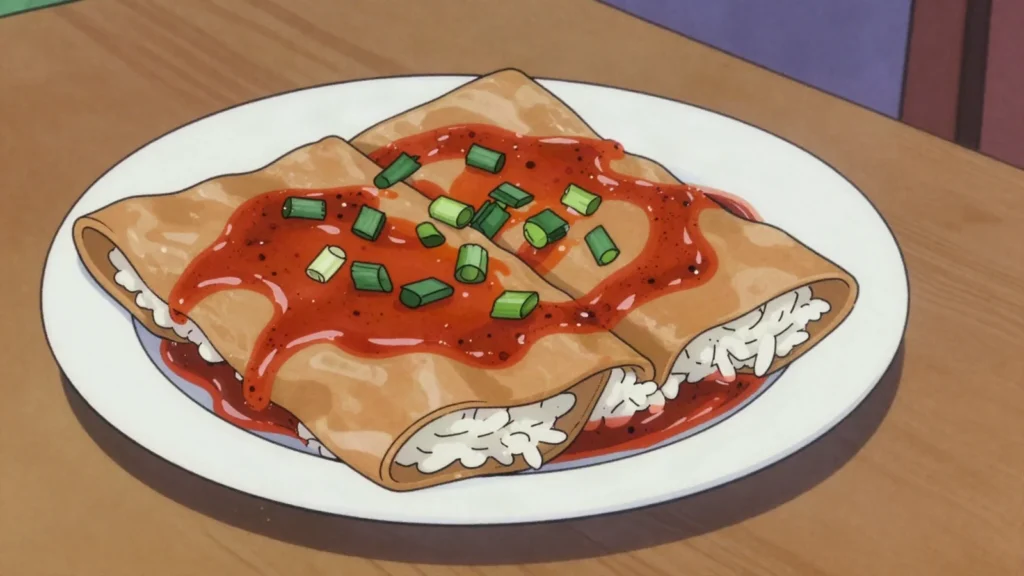
- Lay one softened sheet out flat. Spoon rice along one edge of it. Do not overfill the sheet at all. Roll it up tightly from that edge. Tuck the sides in as you roll if you can.
- Press the seam down to close it. Cooking them is quick enough work. Steam them for about eight minutes. Steaming keeps them soft and chewy. Brush each roll generously with the chilli sauce. Scatter sliced spring onion over them.
- Serve extra sauce alongside them. Serving them is done properly warm. Set them on a plate or in paper. They keep two days refrigerated. Steam them again to soften them. Brush fresh sauce on before serving.
Technique
- Soybeans are pressed for oil and the defatted meal that remains, usually an animal feed byproduct, is extruded under heat and pressure into a fibrous chewy sheet; injogogi means artificial meat and bap means rice.
- North Korea suffered a severe famine in the nineteen nineties, known there as the Arduous March, with death toll estimates that vary widely and remain contested; food distribution largely broke down and informal jangmadang markets filled the gap, which is where this dish emerged using a cheap protein byproduct.
- The sheets must be soaked until soft and foldable but not falling apart, since over-soaked sheets tear as you stuff them and under-soaked ones crack when folded.
Substitutions
- Dried beancurd sheets, sold as yuba or fuzhu, are the closest widely available substitute.
- Textured soy protein sheets also work and are soaked the same way.
Variations
- Some are made as tubes and others as flat stuffed pockets.
- Steaming keeps them soft while frying gives a browned crisp outside.
- The chilli sauce varies in heat from seller to seller.
History
Made from defatted soybean meal left over from oil pressing, it became a market food during the 1990s Arduous March famine.
Frequently asked questions
What is Injogogi-bap?
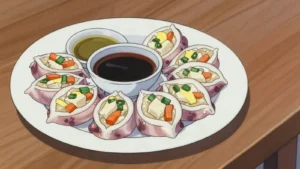
Injogogi-bap is a street food from North Korea: chewy soy ‘artificial meat’ rolls stuffed with rice and brushed with chili sauce. Made from defatted soybean meal left over from oil pressing, it became a market food during the 1990s Arduous March famine.
How long does Injogogi-bap take to make?
Injogogi-bap takes 30 minutes plus soaking of preparation and 20 minutes of cooking. The recipe makes about 12 rolls. It is rated medium to make.
What can I substitute in Injogogi-bap?
Yes, within limits. Dried beancurd sheets, sold as yuba or fuzhu, are the closest widely available substitute. Textured soy protein sheets also work and are soaked the same way.
What is the most important thing to get right in Injogogi-bap?
Lay one softened sheet out flat. Spoon rice along one edge of it. Do not overfill the sheet at all. Roll it up tightly from that edge. Tuck the sides in as you roll if you can.