
Ingredients
Cane
- Fresh sugar cane, cut by hand and pressed within a day; native varieties such as hawai, madan lorvana and cristalline
- Cane juice, or sirop, boiled down when the harvest is heavy
- No fertiliser and no herbicide on most Haitian smallholdings
Fermentation
- Open wooden or concrete vats
- Wild yeast from the cane, the air and the vat itself; nothing is pitched
- Vinasse from the previous run, to acidify the wash
- Sometimes a handful of local plants or bark, added by tradition
Distillation and serving
- One small copper or steel pot still, wood-fired
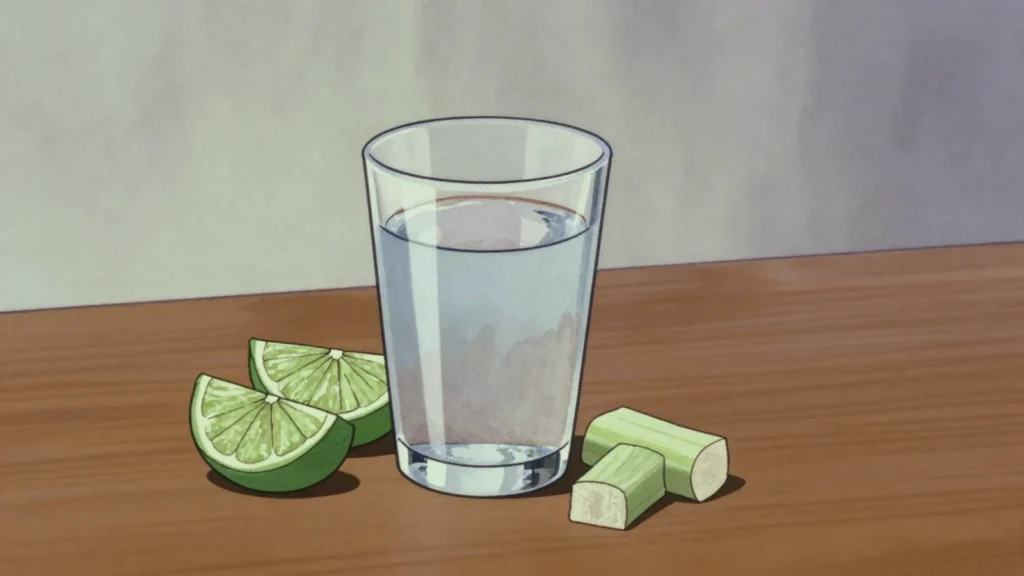
- Small tumblers or shot glasses
- Lime wedges, and herbs, bark or fruit for trempé
Directions
- Cane is cut by hand and crushed the same day in a small mill, often still turned by an ox or a diesel engine at a village distillery. Freshness is everything: cut cane starts to spoil within 24 hours.
- The raw juice, unfiltered and green, runs into open vats. Some producers use syrup boiled from the juice instead when the harvest outruns the still.
- Fermentation starts spontaneously on wild yeast, with a little vinasse added to drop the pH. Nothing is inoculated, so every distillery’s ferment tastes of its own place.
- The wash ferments slowly for 5 to 10 days, far longer than industrial rum, building the intense grassy, olive-and-fruit esters that define clairin.
- It is distilled once, sometimes twice, in a small pot still over a wood fire, with the distiller judging the cuts by taste, smell and the feel of the spirit between the fingers.
- The heart is collected at high strength, typically 45 to 55 per cent alcohol, and bottled without dilution to a round number in the village trade.
- Nothing is aged, filtered, coloured or sweetened. Clairin goes from the still to the bottle or the jerrycan, and it is meant to taste raw.
- It is drunk neat in small glasses at the ounfò, at funerals, at markets and in the street, and it is poured on the ground as a libation in Vodou ceremony.
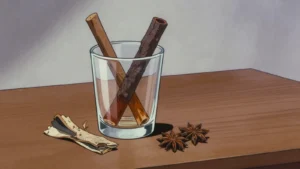
- For clairin trempé, steep bark, ginger, cinnamon, aniseed or fruit in the spirit for one to several weeks in a large jar, then pour off and drink small measures of the infusion.
Technique
- Clairin is not a rough version of rum, it is an unaged cane-juice rum in the same family as rhum agricole, but wild-fermented and made in hundreds of tiny village distilleries rather than a few big ones. Haiti has well over 500 of them.
- Because it is fermented on wild yeast for over a week and distilled in small pot stills, it is one of the most ester-heavy spirits made anywhere, which is why it tastes so intensely of olive, banana skin, grass and smoke.
- The cane is largely unmodernised and unfertilised, and often the old varieties that industrial rum abandoned; this is the reason the spirit is so prized by importers even though it is village-scale.
- The real risk with unregulated village spirit is adulteration and bad cuts. Buy from a named producer such as Sajous, Vaval, Casimir or Le Rocher rather than an unmarked jerrycan.
- Home distilling is illegal in most countries. This describes how clairin is actually made in Haiti; it is not an instruction to build a still.
Substitutions
- Cannot find clairin: a rhum agricole blanc from Martinique or Guadeloupe is the nearest widely available style, cleaner and less funky, or a Jamaican unaged high-ester white rum for the funk without the grassiness.
- In cocktails, clairin can stand in for white agricole in a ti’ punch, but use less: it is stronger and far more assertive.
Variations
- Clairin Sajous, Vaval, Casimir and Le Rocher, four single-village clairins from different terroirs and cane varieties.
- Clairin trempé, infused with bark, herbs, ginger or fruit in a jar.
- Clairin ayiti and barrel-rested versions, a recent departure from the unaged tradition.
History
Distilled at hundreds of small village stills from fresh cane juice fermented with wild yeast; it is poured as an offering in Vodou ceremonies.
Frequently asked questions
What is Clairin?
Clairin is a wine & spirit from Haiti: raw unaged cane juice rum, grassy and powerful, drunk neat. Distilled at hundreds of small village stills from fresh cane juice fermented with wild yeast; it is poured as an offering in Vodou ceremonies.
How long does Clairin take to make?
Clairin takes 1 day cutting and milling of preparation and 5–10 days fermenting, then distilling of cooking. The recipe makes one 70 cl bottle, about 23 measures. It is rated hard to make.
What can I substitute in Clairin?
Yes, within limits. Cannot find clairin: a rhum agricole blanc from Martinique or Guadeloupe is the nearest widely available style, cleaner and less funky, or a Jamaican unaged high-ester white rum for the funk without the grassiness. In cocktails, clairin can stand in for white agricole in a ti’ punch, but use less: it is stronger and far more assertive.
What is the most important thing to get right in Clairin?
Clairin is not a rough version of rum, it is an unaged cane-juice rum in the same family as rhum agricole, but wild-fermented and made in hundreds of tiny village distilleries rather than a few big ones. Haiti has well over 500 of them.