
Ingredients
In the bottle
- Shiraz (Syrah) grapes, many from ungrafted old vines in the Barossa Valley, some planted in the 1840s to 1860s
- Cultured or wild yeast
- Malolactic bacteria
- American oak hogsheads for the classic style, French oak for the modern one
- A small addition of sulphur dioxide
- Alcohol by volume: 13.5–15.5%
To serve
- 1 bottleAustralian Shiraz
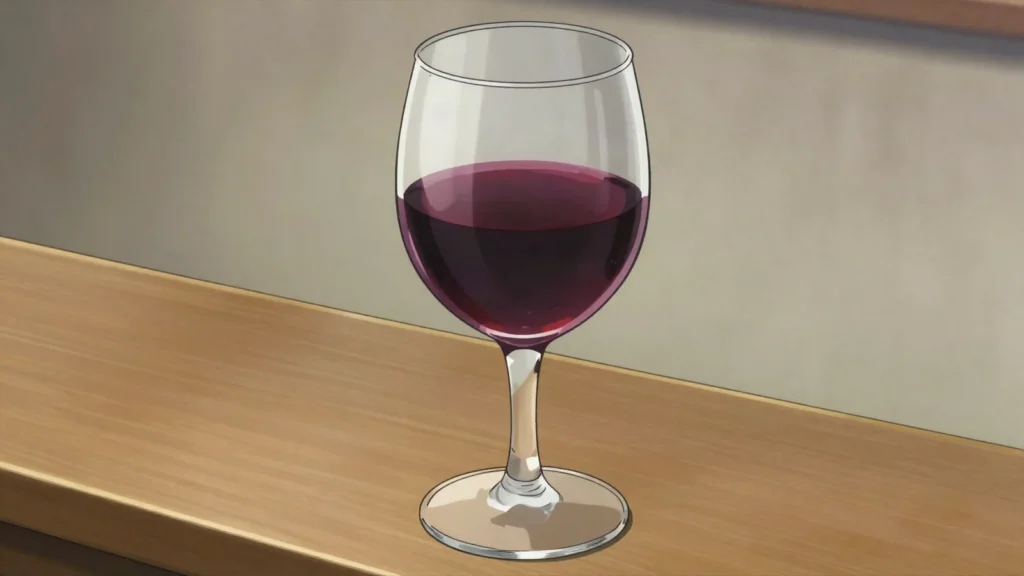
- large tulip-shaped red wine glasses
- serving temperature 16–18°C (60–65°F)
- a decanter for anything under five years old
Directions
- Start with the vineyard: Australia holds some of the oldest continuously producing Shiraz vines on earth, because the country largely escaped the phylloxera louse that destroyed Europe’s, so the vines grow on their own roots rather than grafted American rootstock.
- Fruit is picked in February and March at 23–25 Brix, machine-harvested at night on the flats or hand-picked from old bush vines, then destemmed and crushed.
- The must goes into open-top fermenters, often shallow concrete or steel, and ferments warm at 25–30°C (75–85°F) for about a week, with the cap plunged or pumped over several times a day and, in the traditional Barossa method, held under a header board so it stays submerged.
- Many producers press before fermentation finishes and complete it in barrel, a technique that binds oak tannin into the wine and gives the plush texture the style is known for.
- Malolactic fermentation softens the acidity, then the wine matures 12 to 24 months in oak: American oak gives the classic coconut, vanilla and sweet spice signature of the Barossa, while French oak gives a tighter, more peppery result.
- The wine is racked, fined with bentonite or egg white if necessary, lightly filtered and bottled, usually under screwcap, which Australia adopted early and almost universally for freshness.
- To serve, decant a young bottle for an hour, as these wines are dense and reductive under screwcap and need air to open.
- Pour at 16–18°C (60–65°F) into a large glass. Expect an opaque purple-black core, blackberry, plum, black pepper, dark chocolate and mocha, a full body and ripe soft tannins. Cooler Hunter Valley bottles are lighter and earthier, with the leathery, savoury note that develops beautifully after a decade.
Technique
- Shiraz and Syrah are the same grape. Australians use the Persian-sounding name Shiraz, and it has come to indicate the ripe, generous style, while Syrah on an Australian label usually signals a deliberately cooler, more restrained interpretation.
- Penfolds Grange, first made in 1951, is the country’s most famous wine and is a multi-region Shiraz blend matured in new American oak. It set the template for the whole category.
- Hunter Valley Shiraz is a distinct tradition: medium-bodied, lower in alcohol, aged in old oak, and famous for developing earthy, leathery complexity over twenty years.
- This is a wine you buy, not one you make at home, and no part of its production involves distillation.
Substitutions
- If you want the same grape in a leaner register, a Northern Rhône Syrah from Crozes-Hermitage is peppery and more savoury.
- For a lighter Australian red on the table, try a Grenache from McLaren Vale or a cool-climate Pinot Noir from the Yarra Valley.
Variations
- Barossa Valley Shiraz, rich, dark and American-oaked, the flagship style.
- Hunter Valley Shiraz, medium-bodied and savoury, made for long ageing.
- Sparkling Shiraz, a genuinely Australian oddity: a deep red fizz served slightly chilled at Christmas.
History
James Busby brought Syrah cuttings from Europe in 1832; Max Schubert’s Penfolds Grange, first made in 1951, made Australian Shiraz internationally famous.
Frequently asked questions
What is Australian Shiraz?
Australian Shiraz is a wine & spirit from Australia: dense peppery red from Barossa and Hunter vineyards, the country’s flagship wine. James Busby brought Syrah cuttings from Europe in 1832; Max Schubert’s Penfolds Grange, first made in 1951, made Australian Shiraz internationally famous.
How long does Australian Shiraz take to make?
Australian Shiraz takes 10 min of preparation and 12–24 months in oak of cooking. The recipe makes 1 bottle, 750 ml. It is rated medium to make.
What can I substitute in Australian Shiraz?
Yes, within limits. If you want the same grape in a leaner register, a Northern Rhône Syrah from Crozes-Hermitage is peppery and more savoury. For a lighter Australian red on the table, try a Grenache from McLaren Vale or a cool-climate Pinot Noir from the Yarra Valley.
What is the most important thing to get right in Australian Shiraz?
Start with the vineyard: Australia holds some of the oldest continuously producing Shiraz vines on earth, because the country largely escaped the phylloxera louse that destroyed Europe’s, so the vines grow on their own roots rather than grafted American rootstock.