
Ingredients
Dough
- 500 gplain flour
- 3eggs
- 4 tbspoil
- 2 tbsporange blossom water
- ½ tspsalt
- ½ tspturmeric
- about 100 ml water
Syrup
- 500 ghoney
- 100 mlwater
- 1 tbsporange blossom water
- 1 tbsplemon juice
To finish
- 1.5 litresoil, for frying
- 150 gtoasted sesame seeds
- chopped pistachios
Directions
- Mix the flour, salt and turmeric, then work in the eggs, oil and orange blossom water, adding water gradually to make a firm smooth dough.
- Knead for 15 minutes. It has to be worked hard, because it will be rolled almost transparently thin and a slack dough tears as it goes into the oil.
- Rest the dough, covered, for 1 hour.
- Roll it out as thin as you possibly can, ideally through a pasta machine on its thinnest setting. You should be able to read print through it.
- Cut into ribbons about 4 cm wide and 25 cm long.
- Warm the honey with the water, orange blossom water and lemon juice into a loose syrup, and keep it warm rather than hot.
- Heat the frying oil to 160°C (320°F), which is moderate, because these are paper-thin and take colour almost instantly.
- Catch one end of a ribbon in the tines of a long fork and lower it into the oil, turning the fork steadily so the ribbon winds around itself into a rose.
- Keep the fork turning for the whole 30 to 40 seconds it takes. This winding in hot oil is the entire skill of the dish, it takes real practice, and the first several will not look like flowers.
- Slide the finished rose off the fork and drain it briefly.
- Dip it immediately into the warm honey for 30 seconds, then lift it onto a rack.
- Scatter with toasted sesame and chopped pistachio while it is still tacky.
- Cool completely. They keep for two weeks in a tin and are made in quantity for weddings and festivals.
Technique
- The turmeric is there for colour rather than flavour, and it gives the pale gold that the honey then deepens.
- Work with one ribbon at a time and keep the rest under a cloth, because they dry out and crack within minutes.
- Warm honey, not hot. Hot honey soaks straight through and the layers go soggy.
Substitutions
- A long-handled fork, a skewer or a pair of chopsticks for winding, whichever you find easiest to turn.
- Sugar syrup with a little honey in it, which is cheaper for a large batch.
Variations
- Shaped as simple flat ribbons if the rose defeats you.
- The Algerian griwech, which is cut and knotted rather than wound.
- With rose water in place of orange blossom.
History
A wedding and festival pastry, wound around a fork or skewer in hot oil to form the flower.
Frequently asked questions
What is Debla?
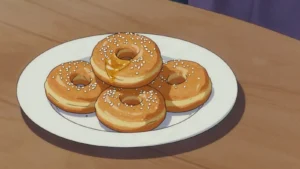
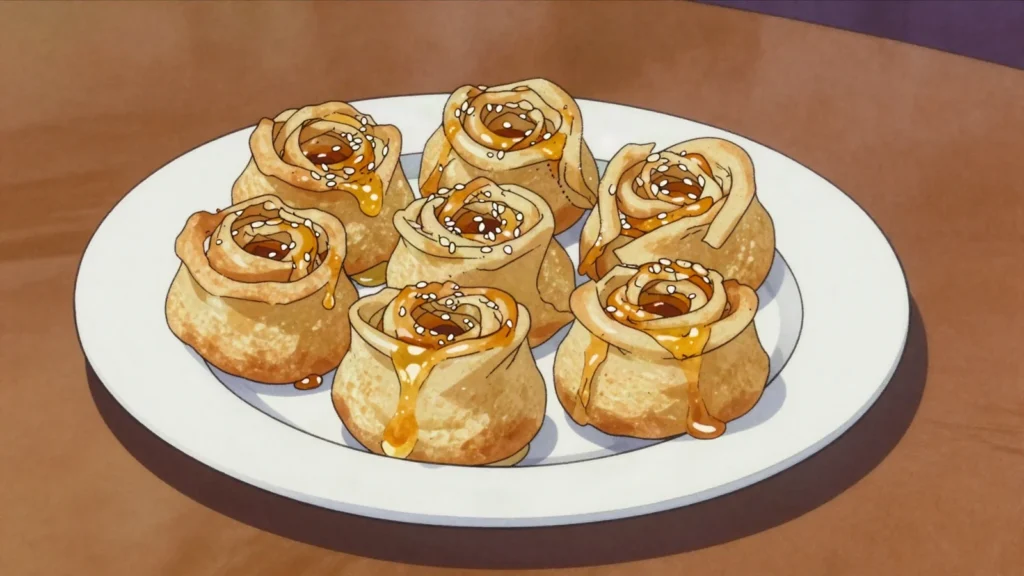
Debla is a dessert from Tunisia: ribbons of dough fried into rose shapes, dipped in honey and sesame. A wedding and festival pastry, wound around a fork or skewer in hot oil to form the flower.
How long does Debla take to make?
Debla takes 45 min plus 1 hr resting of preparation and 45 min of cooking. The recipe makes 30 pastries. It is rated hard to make.
What can I substitute in Debla?
Yes, within limits. A long-handled fork, a skewer or a pair of chopsticks for winding, whichever you find easiest to turn. Sugar syrup with a little honey in it, which is cheaper for a large batch.
What is the most important thing to get right in Debla?
Warm the honey with the water, orange blossom water and lemon juice into a loose syrup, and keep it warm rather than hot.