
Ingredients
Greens
- 800 gamaranth leaves, bondwe
- or 800 g spinach or chard
- water, for washing
- 1 teaspoonbicarbonate of soda, optional
Groundnut
- 150 ggroundnut paste
- or 150 g unsweetened peanut butter
- 200 mlhot water, for loosening
To cook
- 1onion, chopped
- 2tomatoes, chopped
- 2 tablespoonsoil
- 1 teaspoonsalt
- 300 mlwater
To serve
- nshima, thick maize porridge
- or rice
- grilled fish or meat
Directions
- Pick the leaves off their stems. Discard any thick or woody stalks. Wash them in several changes of cold water. Lift them out rather than pouring the water off.
- Repeat until the water runs completely clear. Chop them roughly with a knife. Bring a pot of salted water to the boil. Add the chopped amaranth leaves to the pot. Boil them for about eight minutes. They should be completely tender.
- Use only a very small pinch if you do. Too much gives a soapy taste and a slimy texture. Drain them and squeeze out the water. Put the groundnut paste in a bowl. Add hot water a little at a time.
- Whisk it into a smooth thin cream after each addition. Work out every lump before it goes near the pot. Adding thick paste straight in leaves lumps forever. Heat the oil in a wide heavy pan. Fry the chopped onion for about six minutes. Add the chopped tomatoes to the softened onion. Let them break down for five minutes.
- Add the drained boiled greens. Stir them through the tomato base. Pour the loosened groundnut cream into the pan. Add the remaining water to loosen it. Stir everything together thoroughly. Bring the whole pan to a gentle simmer. Simmering it takes about fifteen minutes.
- Cook it uncovered so it reduces. Stir it every few minutes without fail. A film of oil should form on top. Add hot water if it has gone too thick. Taste the relish and adjust the salt. Serving it is done hot alongside nshima.
- Pinch off a piece and roll it in your palm. Press a hollow into it with your thumb. Use that hollow to scoop up the relish. It keeps two days refrigerated.
Technique
- In Zambian eating, nshima is the staple and everything served with it is called relish, whether vegetable, fish or meat.
- Amaranth grows as a volunteer weed in cultivated fields and is gathered free after the first rains.
Substitutions
- Unsweetened natural peanut butter replaces groundnut paste directly.
- Spinach, chard or pumpkin leaves all work in place of amaranth.
Variations
- Some households cook it with no groundnut at all for a plainer relish.
- Chibwabwa, pumpkin leaves, is cooked the same way.
- Adding dried fish or kapenta makes it a fuller dish.
History
Gathered from Zambian fields after the first rains, when the leaves are tender and free for the picking.
Frequently asked questions
What is Bondwe?
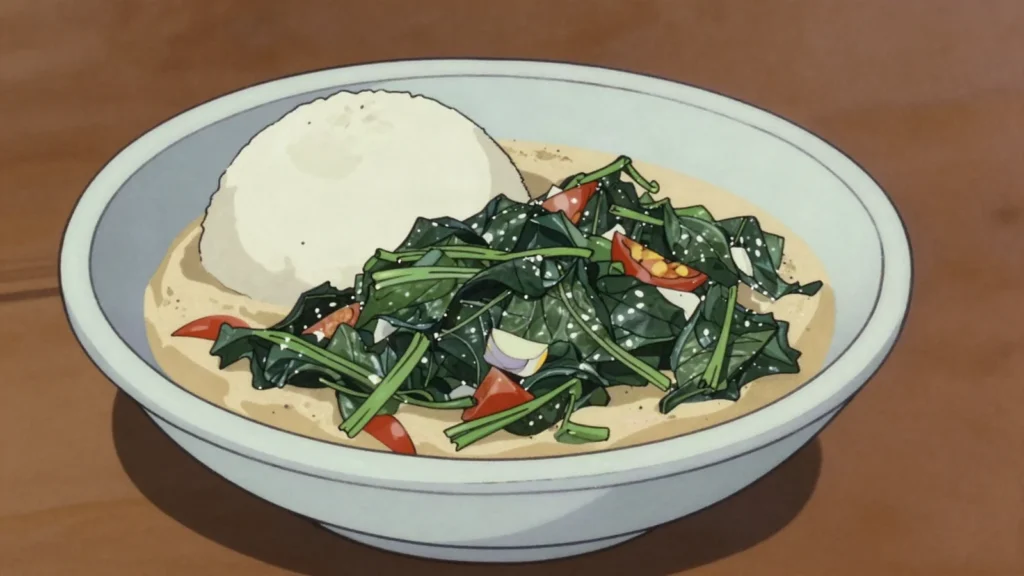
Bondwe is a salad & side from Zambia: wild amaranth leaves cooked with groundnut paste as relish for nshima. Gathered from Zambian fields after the first rains, when the leaves are tender and free for the picking.
How long does Bondwe take to make?
Bondwe takes 20 minutes of preparation and 30 minutes of cooking. The recipe makes serves 6. It is rated easy to make.
What can I substitute in Bondwe?
Yes, within limits. Unsweetened natural peanut butter replaces groundnut paste directly. Spinach, chard or pumpkin leaves all work in place of amaranth.
What is the most important thing to get right in Bondwe?
Pick the leaves off their stems. Discard any thick or woody stalks. Wash them in several changes of cold water. Lift them out rather than pouring the water off.