Ingredients
Base spirit
- About 1,000 litres fermented cane molasses or cane juice wash per 100 litres of alcohol
- Selected distiller’s yeast
- Soft demineralised water for reduction
Flavour and sweetening
- Anise essential oil or star anise distillate, roughly 0.6–1.2 g per litre of finished aguardiente
- Sugar syrup, 15–20 g per litre for the traditional version; none for the sin azúcar (green label) version
Equipment
- Continuous multi-plate distillation columns
- Blending vats and a bottling line
To serve
- 1bottle, well chilled
- Small straight-sided shot glasses (aguardienteros), 30 ml
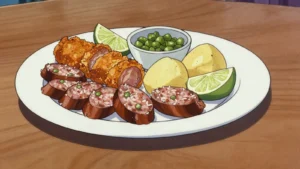
- Lime wedges and a plate of salted snacks, optional
Directions
- Ferment cane molasses or fresh cane juice with selected yeast for 2–3 days at around 30°C (85°F) until the wash reaches roughly 8–10% alcohol and stops throwing carbon dioxide.
- Distil the wash continuously through multi-plate columns, rectifying to a high-strength, near-neutral cane alcohol of 95–96% ABV; unlike grogue or rhum agricole, aguardiente is built for cleanliness, not for cane character.
- Rest and filter the alcohol, then reduce it with soft demineralised water; hard water clouds anise spirits badly.
- Blend in the anise oil slowly with constant agitation. Anethole is only sparingly soluble at low strength, so it is added while the spirit is still strong and then brought down carefully.
- Sweeten with sugar syrup to the house style, or leave it dry for the sin azúcar bottling that now outsells the sweet one in much of Antioquia.
- Adjust to the legal strength, usually 24%, 29% or the stronger ‘Aguardiente Antioqueño Tapa Roja’ style, then chill-filter to a bright, clear spirit.
- Rest the blend a few weeks so the anise integrates, then bottle. Production is controlled by the Fábrica de Licores de Antioquia, a departmental state monopoly whose profits fund health and education.
- Serve it hard-chilled, neat, in small glasses, poured from a shared bottle set in the middle of the table. It is drunk in rounds, never sipped alone, and traditionally not mixed.
Technique
- Aguardiente is an anise-flavoured cane spirit, not a rum: the cane is the alcohol source, the anise is the identity. Each Colombian department has its own brand and locals defend theirs (Antioqueño, Nectar, Blanco del Valle, Cristal) with real conviction.
- It louches faintly and turns milky if you add water or ice, the same anethole effect seen in pastis and ouzo. Colombians therefore chill the bottle rather than icing the glass.
- The state monopoly is why it is cheap and ubiquitous, and why the recipes are proprietary; published anise dosages are approximations.
- Home distilling is illegal in most countries and dangerous without training. This describes an industrial process, not a kitchen project.
Substitutions
- To approximate the flavour without distilling, steep 5 g star anise and 2 g green anise seed in 700 ml of a clean 40% neutral cane spirit for 24 hours, strain, sweeten with 15 g sugar per litre and dilute to 29%.
- Where aguardiente is unavailable, a dry anisado or a lightly sweetened ouzo is the nearest thing in a cocktail.
Variations
- Aguardiente sin azúcar (green label) is drier and now the default for younger drinkers.
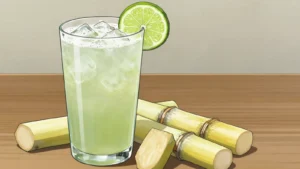
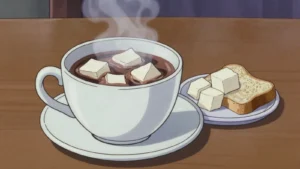
- In the coffee region it is drunk as a ‘chorrito’ stirred into hot black coffee or into aguapanela with lime.
History
Colombia’s departments hold a legal monopoly on spirits; Antioquia’s state distillery has produced this anise aguardiente since 1920.
Frequently asked questions
What is Aguardiente antioqueño?
Aguardiente antioqueño is a wine & spirit from Colombia: anise-scented sugarcane spirit drunk neat from small shot glasses at parties. Colombia’s departments hold a legal monopoly on spirits; Antioquia’s state distillery has produced this anise aguardiente since 1920.
How long does Aguardiente antioqueño take to make?
Aguardiente antioqueño takes Milling and fermenting the cane, 3–5 days of preparation and Continuous column distillation plus resting and blending of cooking. The recipe makes one 750 ml bottle serves 12–15 shots. It is rated hard to make.
What can I substitute in Aguardiente antioqueño?
Yes, within limits. To approximate the flavour without distilling, steep 5 g star anise and 2 g green anise seed in 700 ml of a clean 40% neutral cane spirit for 24 hours, strain, sweeten with 15 g sugar per litre and dilute to 29%. Where aguardiente is unavailable, a dry anisado or a lightly sweetened ouzo is the nearest thing in a cocktail.
What is the most important thing to get right in Aguardiente antioqueño?
Serve it hard-chilled, neat, in small glasses, poured from a shared bottle set in the middle of the table. It is drunk in rounds, never sipped alone, and traditionally not mixed.