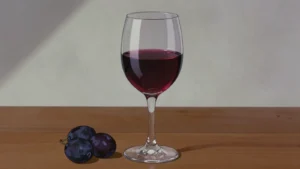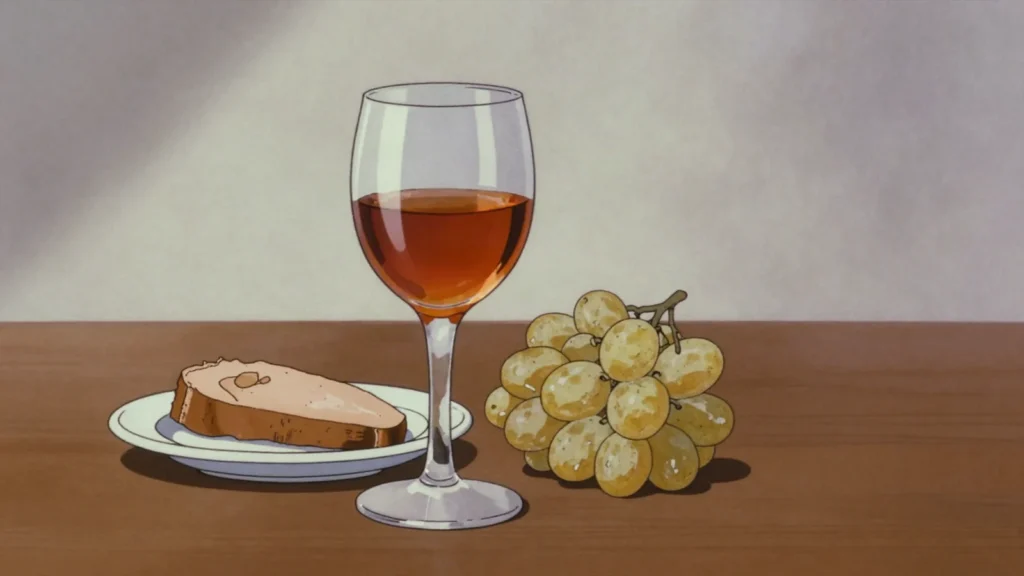

The botrytised sweet wine of Tokaj, once called the wine of kings and the king of wines. The region was classified by royal decree in 1737, among the first appellations anywhere in the world.
It depends on noble rot arriving in the vineyard, hand-picking berry by berry over weeks, and years in cellars whose walls carry a specific mould; it is a protected appellation made under licence.
What goes into it
- Furmint, Hárslevelű and Sárga Muskotály grapes
- Botrytis cinerea — noble rot
- yeast
- oak casks
How it is made
Berries shrivelled by noble rot are picked one at a time by hand — the same vineyard is walked many times over weeks — and mashed into a paste. Measured hods of that paste, called puttonyos, are added to a barrel of base wine and left to macerate, then the wine is pressed off and aged for years in the region’s mould-lined cellars. The puttony count on the label is the sweetness.
How long it takes: weeks of selective picking, then years in cask
How it is eaten
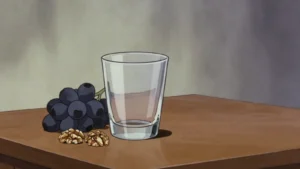
Cold in a small glass with foie gras, blue cheese or on its own after dinner.
History
Made from botrytised aszú berries; the Tokaj region was classified by royal decree in 1737, among the world’s first appellations.
Frequently asked questions
What is Tokaji aszú?
Tokaji aszú is a wine & spirit from Hungary: botrytized sweet ‘wine of kings’ from Tokaj. Made from botrytised aszú berries; the Tokaj region was classified by royal decree in 1737, among the world’s first appellations.
How is Tokaji aszú made?
Berries shrivelled by noble rot are picked one at a time by hand — the same vineyard is walked many times over weeks — and mashed into a paste. Measured hods of that paste, called puttonyos, are added to a barrel of base wine and left to macerate, then the wine is pressed off and aged for years in the region’s mould-lined cellars. The puttony count on the label is the sweetness. It takes weeks of selective picking, then years in cask.
Can I make Tokaji aszú at home?
No, and the atlas gives no method for it. It depends on noble rot arriving in the vineyard, hand-picking berry by berry over weeks, and years in cellars whose walls carry a specific mould; it is a protected appellation made under licence.
What goes into Tokaji aszú?
Furmint, Hárslevelű and Sárga Muskotály grapes, botrytis cinerea — noble rot, yeast, oak casks.
How is Tokaji aszú eaten?
Cold in a small glass with foie gras, blue cheese or on its own after dinner.