
Ingredients
The lupini
- 500 gdried lupini beans
- tremoços, from a Portuguese grocer
- or 2 jars brined lupini
- ready to eat
- see the safety notes carefully
For the debittering
- a great deal of fresh cold water
- changed at least twice a day
- coarse salt
- for the final brine
- a large bowl or bucket
- kept cold
The brine
- 2 litreswater
- 80 gcoarse salt
- or to taste
Sometimes added
- 2 clovesgarlic, crushed
- a bay leaf
- a strip of lemon peel
- a little dried oregano
- a splash of olive oil
To serve
- in a bowl, in their brine
- cold beer
- or a glass of white wine
- a second bowl, for the skins
Directions
- Taste a bean before you eat any of them. If it is bitter, it is not ready. Keep soaking and keep changing the water. Never eat a bitter lupin bean. Taste them, every single time you do this. There is a further point about varieties.
- Rinse the dried beans thoroughly. Pick out any damaged or discoloured ones. Put them in a very large bowl or bucket. Cover them with plenty of cold water.
- Use far more water than seems necessary. Soak them for twenty-four hours. Drain and put them in a large pot. Cover with fresh water and bring to a boil. Boil them for about an hour and a half. They should be tender but not falling apart.
- Drain them and discard that water. That water is bitter and must be thrown away. Put the boiled beans in a large container. Cover them with fresh cold water. Keep them somewhere cool or in the fridge. Warm beans in water will ferment and spoil. Rinse the beans well at each change. Continue this for seven to ten days. Some batches take longer than that.
- Take one bean and slip off its skin. Taste a small piece of the inside. It should taste mild and nutty. Add garlic, bay or lemon peel if you like. Put the drained beans in a jar or bowl. Pour the brine over to cover them.
- Let them sit for at least a day. They take up salt as they sit. Taste and add more salt if needed. They should be quite salty indeed. Discard them if they smell sour or fizzy.
- Discard them if any slime appears. Pick up a bean between finger and thumb. Squeeze the bean gently between your fingers. The soft inside pops straight out. Use them within about two weeks. Home-prepared ones keep the same.
Technique
- Lupin beans contain bitter alkaloids, principally lupanine, which are toxic in quantity and affect the nervous system — dry mouth, blurred vision, confusion, with severe cases needing medical attention. Poisonings from insufficiently debittered lupini are documented, not theoretical. Cooking does not remove the alkaloids; only days of repeated soaking and water changes leach them out.
- The safeguard is simple and reliable: taste a bean before eating any. If it is bitter at all, it is not ready — keep soaking and keep changing the water. Never eat a bitter lupin bean, and never decide a batch is done by counting days rather than tasting. Test several beans, since they do not all debitter at the same rate.
- Sweet lupin varieties with far fewer alkaloids have been bred, but you usually cannot tell which variety you have bought. Treat every batch as bitter and debitter it fully regardless of the label.
- Lupin is a declared allergen in the European Union and must be labelled there. Lupin allergy can be severe, and cross-reactivity with peanut is documented — both are legumes. Anyone with a peanut allergy should ask a doctor rather than experimenting.
- Ready-brined lupini in jars have been debittered commercially and are ready to eat. That is by far the easiest and safest route, and the atlas genuinely recommends it over a first attempt at the full process.
- Keep the soaking beans cold, in the fridge or somewhere genuinely cool. Over seven to ten days in warm water they will ferment and spoil.
- Discard a batch whose brine turns cloudy, or which smells sour or fizzy, or shows any slime.
- The skins are not eaten. Nick the skin and squeeze; the soft inside pops out. Bars put out a second bowl for the skins.
Substitutions
- Jarred ready-to-eat lupini replace the entire home process and are what most people should use.
- Garlic, bay leaf, lemon peel or oregano in the brine are common elsewhere in the Mediterranean; Portuguese tremoços are usually salt alone.
- A splash of olive oil over the drained beans is a common serving variation.
- Other brined bar snacks — olives, salted almonds, pickled vegetables — fill the same role if lupini are unavailable or if allergy rules them out.
- Broad beans prepared and brined similarly are eaten in some Mediterranean countries, and carry no lupin alkaloid concern.
Variations
- Italian lupini are prepared identically and are particularly associated with Christmas and with street fairs.
- Greek, Spanish and Egyptian versions all exist under their own names, with Egyptian termis eaten at festivals.
- Some Portuguese bars serve them with a little crushed garlic and oregano in the brine.
- Lupin flour is used commercially in baking and pasta, which is exactly why lupin must be declared as an allergen.
- A version dressed with olive oil, lemon and parsley turns the snack into a small salad.
- Roasted lupini, dried after debittering and then roasted, are eaten as a crunchier snack in parts of the Mediterranean.
History
Salted lupin beans soaked for days to leach out their bitterness, eaten with beer; Romans and Egyptians grew lupins long before Iberian taverns did.
Frequently asked questions
What is Tremoços?
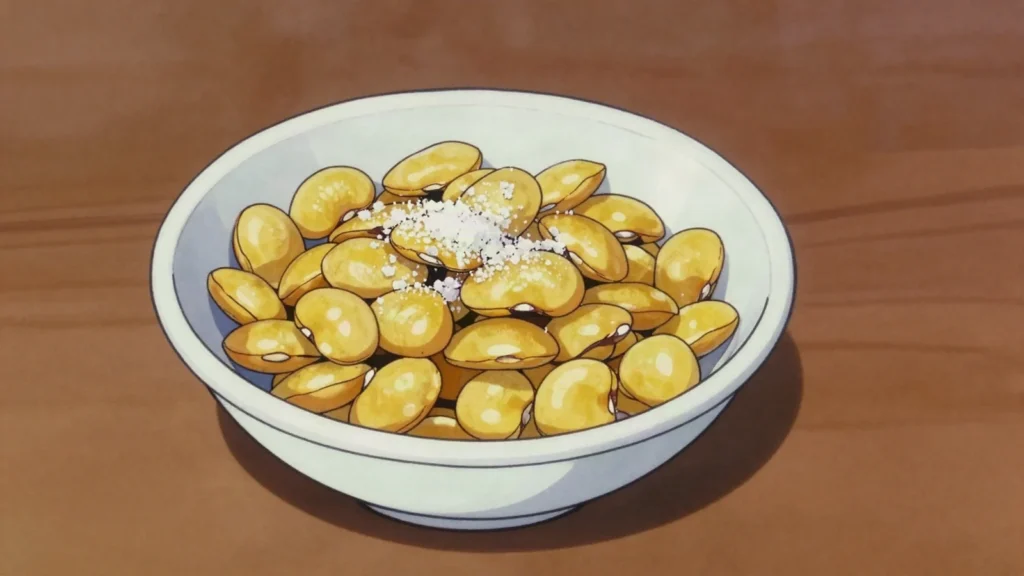
Tremoços is a snack from Portugal: brined lupini beans nibbled with cold beer. Salted lupin beans soaked for days to leach out their bitterness, eaten with beer; Romans and Egyptians grew lupins long before Iberian taverns did.
How long does Tremoços take to make?
Tremoços takes 20 minutes plus 7 to 10 days soaking of preparation and 1 hour 30 minutes of cooking. The recipe makes serves 8 as a snack. It is rated medium to make.
What can I substitute in Tremoços?
Yes, within limits. Jarred ready-to-eat lupini replace the entire home process and are what most people should use. Garlic, bay leaf, lemon peel or oregano in the brine are common elsewhere in the Mediterranean; Portuguese tremoços are usually salt alone. A splash of olive oil over the drained beans is a common serving variation. Other brined bar snacks — olives, salted almonds, pickled vegetables — fill the same role if lupini are unavailable or if allergy rules them out. Broad beans prepared and brined similarly are eaten in some Mediterranean countries, and carry no lupin alkaloid concern.
What is the most important thing to get right in Tremoços?
Taste a bean before you eat any of them. If it is bitter, it is not ready. Keep soaking and keep changing the water. Never eat a bitter lupin bean. Taste them, every single time you do this. There is a further point about varieties.