
Ingredients
What goes into the wine (winery process, not a home recipe)
- Torrontes Riojano grapes from Cafayate, Salta, or the Famatina valley in La Rioja, grown at 1,500 to 2,000 m
- selected aromatic yeast strain, or the vineyard’s ambient yeast
- sulphur dioxide at 30 to 50 mg per litre, as the only significant addition
- stainless steel tanks with cooling jackets; almost never oak
The serve
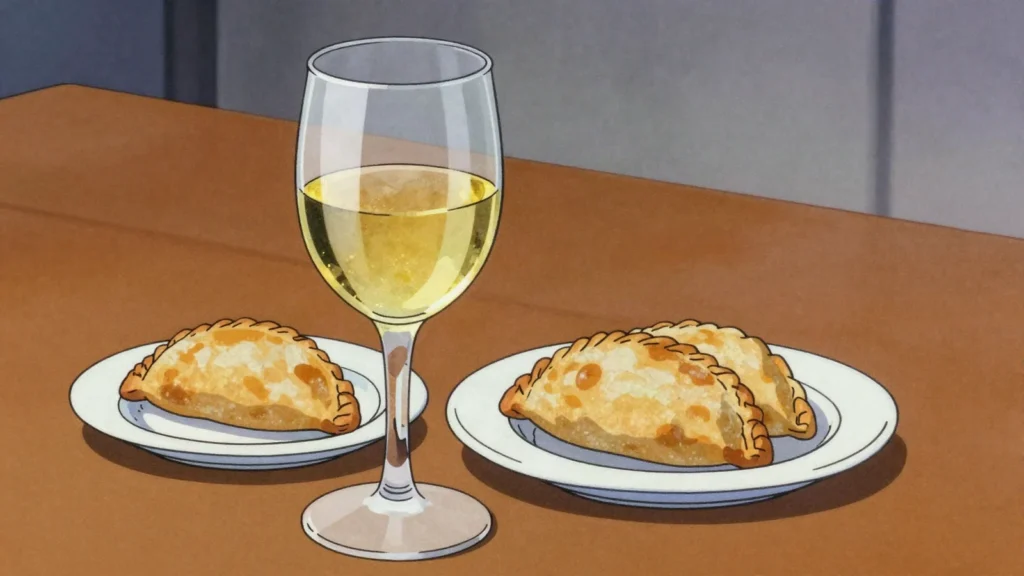
- 1 bottleof dry Torrontes, chilled to 8 to 10°C (50°F)
- a tulip-shaped white wine glass
- no ice
What to serve it with
- empanadas salteñas, humita, goat cheese, spiced squash and corn dishes, anything with coriander or ginger
Directions
- Know the grape: Torrontes Riojano is an Argentine cross of Criolla Chica, the Mission grape brought by the Spanish, and Muscat of Alexandria, and the Muscat parent is where the perfume comes from.
- The vines sit at extreme altitude in the northwest, where intense sun ripens the sugar and cold nights hold on to acidity; that day-night swing is the whole reason the wine can smell tropical and still taste taut.
- Grapes are picked early, often at night or at dawn in February and March, at around 12.5 to 13.5 per cent potential alcohol; picked late, Torrontes turns oily and bitter.
- The fruit is pressed gently and given only brief skin contact, a few hours at most, because the bitter phenolics sit in those skins.
- The juice is settled cold, then fermented in stainless steel at 14 to 16°C (60°F) for two to three weeks, a cool ferment that preserves the floral esters.
- Malolactic fermentation is deliberately blocked and oak is avoided, so the wine keeps its sharp acidity and its rose, jasmine, geranium and white peach aromatics.
- It is fined, cold-stabilised, filtered and bottled young, usually within six months of harvest, and is meant to be drunk within one to two years.
- To serve, chill to 8 to 10°C (50°F), pour a third of a glass into a tulip and smell before tasting: the nose promises sweetness and the palate arrives dry, crisp and slightly bitter at the finish, which is the wine’s signature trick.
Technique
- There are three Torrontes varieties: Riojano, Sanjuanino and Mendocino. Only Riojano makes the perfumed, high-quality wine people mean when they say Torrontes, and it dominates in Salta.
- Over-chilling to fridge temperature mutes the aromatics, and serving it warm exposes the alcohol and the bitter finish. The 8 to 10°C (50°F) window is narrow but real.
- Torrontes is one of the few white wines that stands up to coriander, chilli heat and Andean spice, which is why it works with northern Argentine food rather than fighting it.
Substitutions
- If you cannot find Torrontes, a dry Muscat from Alsace or a Portuguese Moscatel Galego points the same way, floral on the nose and dry on the palate, though with less bite.
Variations
- Cafayate producers bottle a late-harvest Torrontes, sweet and apricot-scented, drunk with quince paste and cheese.
- A small number of producers now ferment part of the wine on skins in amphorae, giving an orange Torrontes with grip and dried-flower aromas.
History
A criolla grape born in South America from a cross of Muscat of Alexandria and the mission grape; Cafayate in Salta is its heartland.
Frequently asked questions
What is Torrontés?
Torrontés is a wine & spirit from Argentina: aromatic white wine, floral on the nose and dry on the palate. A criolla grape born in South America from a cross of Muscat of Alexandria and the mission grape; Cafayate in Salta is its heartland.
How long does Torrontés take to make?
Torrontés takes 5 min to serve of preparation and Harvest to bottle in about 4 to 6 months of cooking. The recipe makes 1 bottle, 6 glasses (production notes describe a winery process). It is rated easy to make.
What can I substitute in Torrontés?
Yes, within limits. If you cannot find Torrontes, a dry Muscat from Alsace or a Portuguese Moscatel Galego points the same way, floral on the nose and dry on the palate, though with less bite.
What is the most important thing to get right in Torrontés?
The vines sit at extreme altitude in the northwest, where intense sun ripens the sugar and cold nights hold on to acidity; that day-night swing is the whole reason the wine can smell tropical and still taste taut.