
Ingredients
What is in the bottle
- Hesperidina, a bitter orange aperitif at 21% ABV, created in Buenos Aires in 1864 by Melville Sewell Bagley
- Peel of bitter oranges (naranja amarga), macerated in alcohol; the peel, not the juice, carries the flavour
- Sugar and water, to sweeten and reduce the strength
- A blend of aromatic herbs, the exact formula still held by the maker
To serve as an aperitivo
- 50 mlHesperidina
- 150 mlsoda water or tonic water, ice cold
- Ice cubes, to fill the glass
- 1 sliceof orange and, if you like, a strip of orange peel
The classic mix
- 50 mlHesperidina
- 50 mlsweet red vermouth
- Ice, and a green olive on a stick
Directions
- Know the source: bitter orange peel is dried and macerated in neutral alcohol for weeks, which extracts the oils and the bitter glycosides in the pith and skin.
- The maceration is blended with a herb infusion, then sweetened with sugar syrup and reduced with water to 21% ABV, giving a sweet-bitter liqueur rather than a spirit.
- It was patented in Argentina in 1864 and is the country’s oldest continuously produced branded drink; the anti-counterfeiting engraving on the label was one of the first trademarks registered in Argentina.
- To serve it plainly, fill a tumbler with ice, pour 50 ml of Hesperidina and top with cold soda water. Stir once, no more.
- Add an orange slice, squeezing the peel over the surface first so the oils sit on top and meet you before the first sip.
- For the vermouth mix that porteño cafés served for a century, stir equal parts Hesperidina and sweet red vermouth over ice for 20 seconds and garnish with an olive.
- For a longer, drier drink, use tonic instead of soda; the quinine reinforces the orange bitterness.
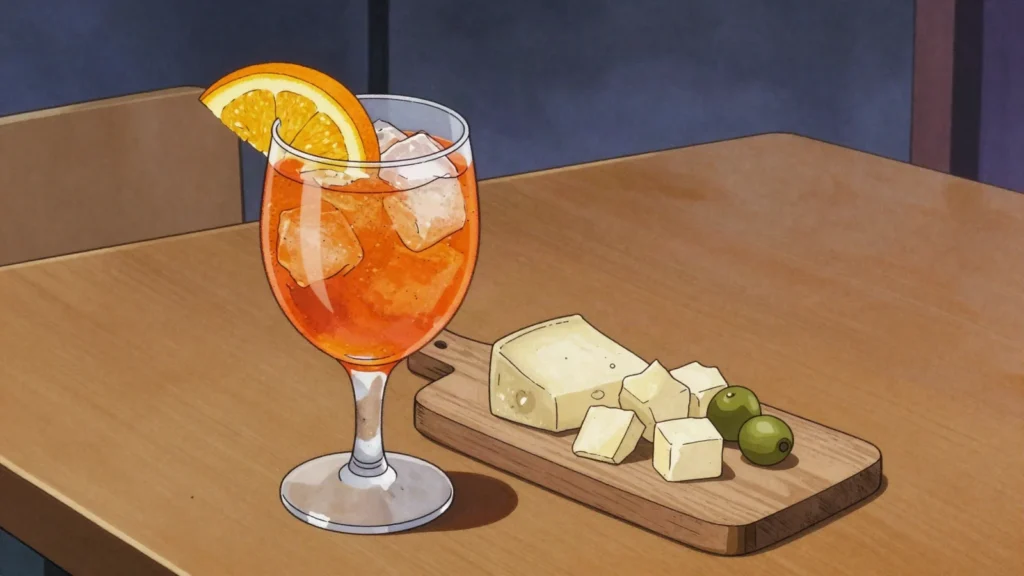
- Serve at the start of a meal with a picada of cheese, olives and preserved vegetables, which is how it is drunk in Argentina.
Technique
- This is a commercial liqueur, not a home distillate, and the recipe remains proprietary. What you can do at home is make a bitter orange liqueur by macerating peel in alcohol, but it will not be Hesperidina.
- The name comes from the Hesperides of Greek myth, guardians of the golden apples, and from hesperidin, the flavonoid in citrus peel.
- Bitter orange is Citrus aurantium, the Seville orange, not the sweet eating orange; the difference is the whole flavour.
- It is sweeter than an Italian bitter such as Campari, so it takes soda better than it takes tonic if you dislike sweetness.
Substitutions
- No Hesperidina: a bitter orange liqueur such as Aperol is sweeter and lighter, while a good triple sec with two dashes of orange bitters is drier; neither is exact.
- For cooking or for a spritz, use half Hesperidina and half dry sparkling wine over ice.
Variations
- Hesperidina con soda, the plain aperitivo.
- Hesperidina y vermouth, the old café mix with an olive.
- Hesperidina spritz, with sparkling wine and soda over plenty of ice.
History
Created in Buenos Aires in 1864 by American Melville Sewell Bagley; it became the first trademark registered in Argentina, in 1876.
Frequently asked questions
What is Hesperidina?
Hesperidina is a wine & spirit from Argentina: bitter orange-peel aperitif, drunk with soda, tonic or vermouth. Created in Buenos Aires in 1864 by American Melville Sewell Bagley; it became the first trademark registered in Argentina, in 1876.
How long does Hesperidina take to make?
Hesperidina takes 5 min to serve of preparation and Weeks of maceration, at the factory of cooking. The recipe makes 1 bottle, 750 ml (about 15 aperitivos). It is rated medium to make.
What can I substitute in Hesperidina?
Yes, within limits. No Hesperidina: a bitter orange liqueur such as Aperol is sweeter and lighter, while a good triple sec with two dashes of orange bitters is drier; neither is exact. For cooking or for a spritz, use half Hesperidina and half dry sparkling wine over ice.
What is the most important thing to get right in Hesperidina?
The maceration is blended with a herb infusion, then sweetened with sugar syrup and reduced with water to 21% ABV, giving a sweet-bitter liqueur rather than a spirit.