
Ingredients
In the vineyard and cellar
- Tannat grapes, brought from Basque France to Uruguay by Pascual Harriague in 1870
- Clay-limestone soils of Canelones, Montevideo and Maldonado, cooled by Atlantic breezes
- Selected yeast for a controlled 26–28°C (80–80°F) ferment
- Small percentages of Merlot, Cabernet Franc or Pinot Noir for softening the blend
- French oak barrels, 225 litres, a portion new
To serve
- 1 bottleUruguayan Tannat at 16–18°C (60–65°F)
- Large-bowled red wine glasses
- A decanter for young or reserva bottlings
Directions
- Tannat ripens late, in March and April in the southern hemisphere, and is picked when the seeds have gone brown and crunchy, since green seeds give harsh tannin.
- The fruit is destemmed almost entirely. Whole-stem inclusion, normal for some red grapes, would push an already tannic wine over the edge.
- It ferments in stainless or concrete at 26–28°C (80–80°F) for 7–12 days, with gentle pump-overs rather than aggressive punch-downs. Uruguayan winemakers extract carefully, not fully.
- Maceration is kept relatively short, often 10–15 days, again to control the tannin, which is naturally about twice that of Cabernet Sauvignon.
- Malolactic fermentation follows, softening the acidity, and many producers then use micro-oxygenation, a technique developed in Madiran specifically to tame Tannat’s grip.
- Ageing runs 12–18 months in French oak for a reserva, or the wine goes unoaked and fruit-forward for the everyday bottlings drunk at asados.
- It is bottled at 13.5–14.5% abv, deeply purple-black, and rewards 5–10 years in bottle, when the tannin resolves into leather, plum and dark chocolate.
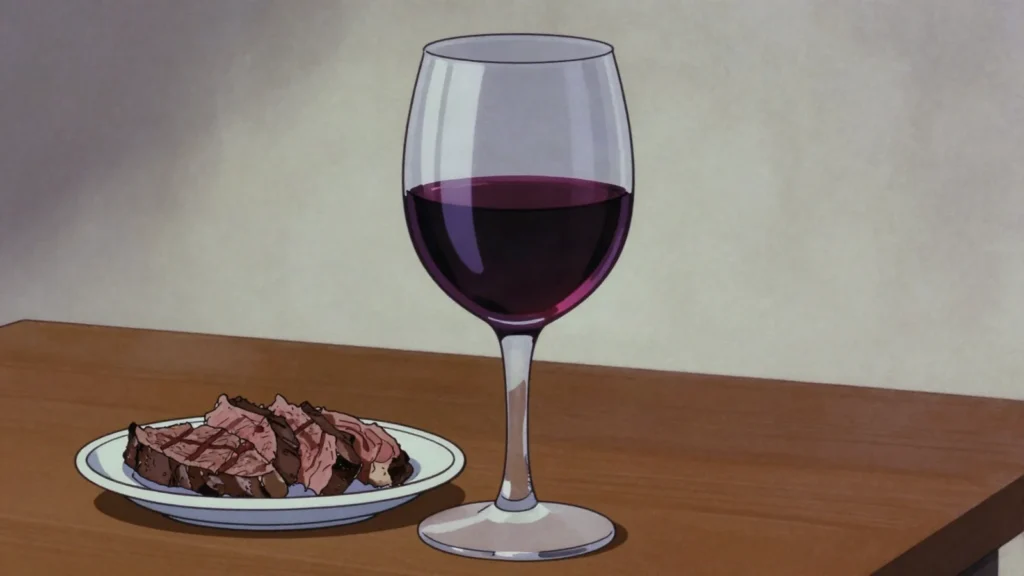
- To serve, decant a young bottle 45–60 minutes ahead, pour at 16–18°C (60–65°F), and drink it with fatty grilled red meat, whose fat coats the palate and neutralises the tannin. This is why Tannat and asado exist together.
Technique
- Tannat is named for its tannin. It has one of the highest polyphenol contents of any wine grape, which is why Uruguayan producers blend, micro-oxygenate or age it longer than most reds.
- In France the same grape makes Madiran, which is traditionally even more austere; Uruguay’s maritime climate and later clonal selections give a rounder, riper style.
- Uruguay declared Tannat its national grape and it accounts for roughly a quarter of the country’s vineyard area.
Substitutions
- Cannot find Uruguayan Tannat? A Madiran from south-west France is the same grape in its original home, firmer and more rustic.
- For a softer drink, look for a Tannat-Merlot blend, which Uruguayan wineries make specifically for early drinking.
Variations
- Tannat reserva, oak-aged 12–18 months, the flagship style.
- Tannat rosado, a pale, high-acid rose made by short skin contact.
- Unoaked young Tannat, drunk cool and fruit-forward within a year.
History
Basque settler Pascual Harriague planted Tannat cuttings near Salto around 1870; the Madiran grape thrived where it had faded in France.
Frequently asked questions
What is Tannat?
Tannat is a wine & spirit from Uruguay: dark tannic red wine, Uruguay’s national grape, drunk with asado. Basque settler Pascual Harriague planted Tannat cuttings near Salto around 1870; the Madiran grape thrived where it had faded in France.
How long does Tannat take to make?
Tannat takes 10 min of preparation and 12–18 months in oak, plus bottle age of cooking. The recipe makes describes a commercial wine; 1 bottle serves 4–6. It is rated hard to make.
What can I substitute in Tannat?
Yes, within limits. Cannot find Uruguayan Tannat? A Madiran from south-west France is the same grape in its original home, firmer and more rustic. For a softer drink, look for a Tannat-Merlot blend, which Uruguayan wineries make specifically for early drinking.
What is the most important thing to get right in Tannat?
It ferments in stainless or concrete at 26–28°C (80–80°F) for 7–12 days, with gentle pump-overs rather than aggressive punch-downs. Uruguayan winemakers extract carefully, not fully.