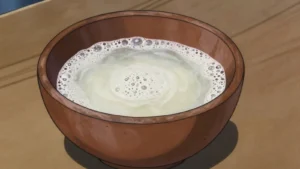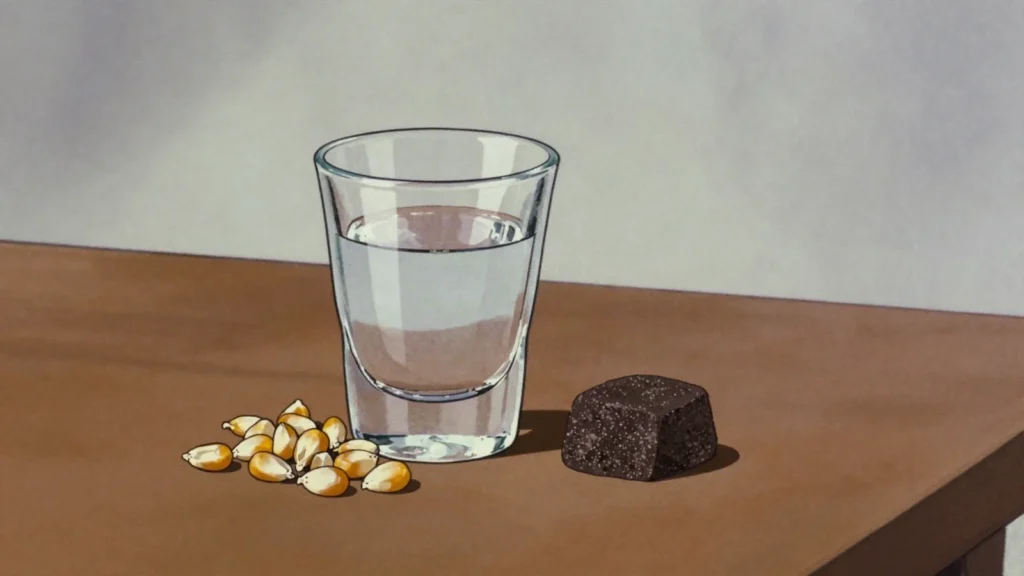

Clear maize and cane moonshine distilled in the Salvadoran countryside and sold at village fiestas, despite a state liquor monopoly that has never quite reached it. It is drunk in shots and it is strong.
It is unlicensed distilling with improvised equipment, illegal in El Salvador, and skipping the cut is exactly what leaves methanol in the bottle.
What goes into it
- maize, or sugarcane juice, or both
- panela
- water
How it is made
A maize or cane mash is fermented for several days in barrels, then run through a small still — often improvised from drums and copper pipe cooled in a stream. Little is discarded from the run, and the strength varies from batch to batch and producer to producer.
How long it takes: days to ferment, then a day to distil
How it is eaten
In shots at fiestas and in rural cantinas.
History
El Salvador’s clandestine cane and maize aguardiente, distilled in rural stills despite the state liquor monopoly and sold at village fiestas.
Frequently asked questions
What is Chaparro?
Chaparro is a wine & spirit from El Salvador: clear maize moonshine distilled in the countryside, drunk in shots. El Salvador’s clandestine cane and maize aguardiente, distilled in rural stills despite the state liquor monopoly and sold at village fiestas.
How is Chaparro made?
A maize or cane mash is fermented for several days in barrels, then run through a small still — often improvised from drums and copper pipe cooled in a stream. Little is discarded from the run, and the strength varies from batch to batch and producer to producer. It takes days to ferment, then a day to distil.
Can I make Chaparro at home?
No, and the atlas gives no method for it. It is unlicensed distilling with improvised equipment, illegal in El Salvador, and skipping the cut is exactly what leaves methanol in the bottle.
What goes into Chaparro?
Maize, or sugarcane juice, or both, panela, water.
How is Chaparro eaten?
In shots at fiestas and in rural cantinas.