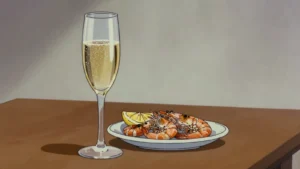

Ingredients
What to buy
- Sturm, in season only
- August to December
- white, from Grüner Veltliner or similar
- or red, from Zweigelt or Blauer Portugieser
- sold in loosely capped bottles
- see the safety note
To serve
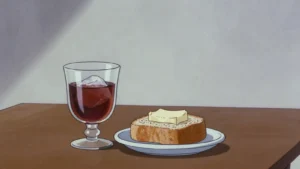
- chilled, in tumblers
- not wine glasses
To eat with
- Zwiebelrostbraten, or roast goose
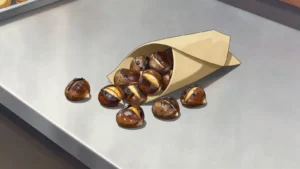
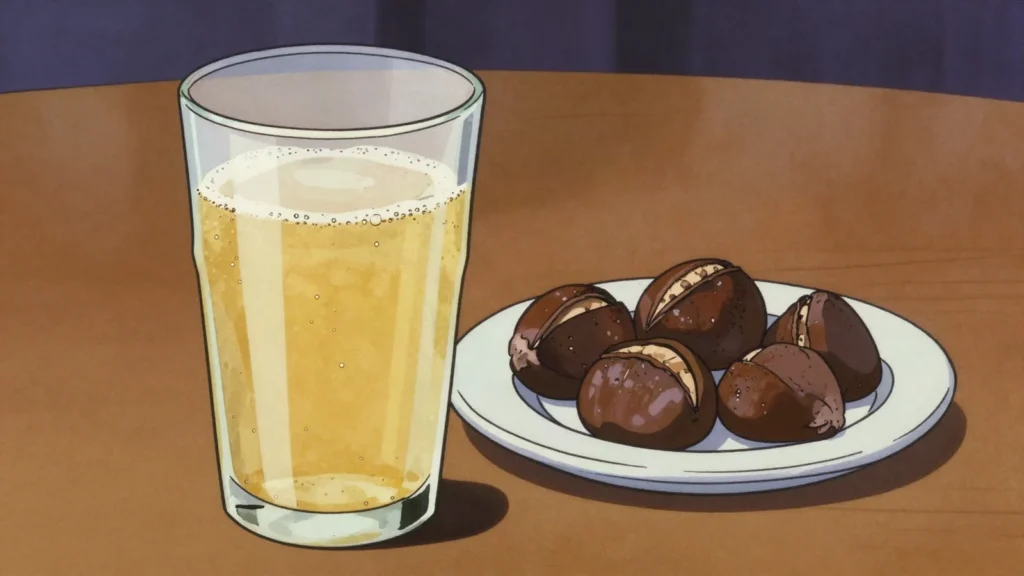
- Maroni, roast chestnuts
- Sturmkrapfen, the doughnuts
- cold cuts and cheese
- at a Heuriger
Directions
- Keep it upright and cold. Cold slows the fermentation.
- Warm Sturm ferments faster. Sturm is cloudy and it should be.
- Serve it well chilled. Do not fill the glass to the top.
- Roast goose and roast chestnuts. Cold cuts and cheese from the counter.
- Keep it upright, cold and loosely capped. Never store it sealed.
Technique
- Never tighten the cap and never decant it into a sealed bottle. Sturm keeps fermenting and produces carbon dioxide, which is why it is sold loosely or vented-capped — a sealed bottle builds pressure and can burst, and glass under pressure is genuinely dangerous. Store it upright, cold and loosely capped, and open it slowly over a sink.
- It tastes far weaker than it is. Sweet and fizzy, it drinks like a soft drink while running typically between four and ten percent alcohol — people drink far more than they intend, and that is a well-known effect rather than a joke. The strength also rises while the bottle sits, so two glasses from the same bottle differ.
- Say plainly what it is when you serve it. Sturm is often offered as though it were juice, and it is not.
- The atlas gives no method for making it. Sturm is grape must caught partway through fermentation, requiring fresh pressed must from a harvest; Austrian law restricts its sale to August through December and requires Austrian grapes; and it is a live fermenting product with a real pressure hazard.
- Cold slows the fermentation and warmth speeds it. Warm Sturm gets drier and stronger faster and builds pressure faster.
- It should be cloudy — the yeast is still in suspension, and that is the point. A clear one has finished fermenting and is no longer Sturm.
- It changes daily. Early Sturm is sweet and barely alcoholic, close to grape juice with a prickle; later it dries out and strengthens, and eventually becomes young wine, which is called Heuriger — the same word as the tavern that serves it.
- It is genuinely seasonal and rarely exported, precisely because it cannot be sealed and shipped. German Federweisser is sometimes found abroad.
- Do not fill the glass to the top, and use a tumbler rather than a wine glass. It foams, and it is a casual drink.
- Partly fermented must is drunk across wine countries — Federweisser in Germany, bourru in France, Sauser in Switzerland, murci in Hungary — the same idea under different names, each with its own legal definition.
- Do not drink alcohol if you are pregnant or driving, and do not press anyone who does not want it.
Substitutions
- German Federweisser is the closest available equivalent abroad.
- Swiss Sauser, French bourru and Hungarian murci are the same idea under other names.
- Red Sturm from Zweigelt or Blauer Portugieser replaces white and is often sweeter-tasting.
- Unfermented grape must, Traubensaft, is the non-alcoholic alternative.
- Young Heuriger wine is what Sturm becomes and is drunk in the same taverns.
- There is no out-of-season substitute; it is a strictly autumn drink.
Variations
- White Sturm is the more common; red is made from red grapes and is pink to deep red.
- Federweisser in Germany is drunk with onion tart, Zwiebelkuchen.
- Heuriger is the young wine Sturm becomes, and the tavern that serves it.
- Most, the cloudy apple cider, is the fruit equivalent drunk in the same season.
- Sturmkrapfen are the doughnuts traditionally eaten alongside.
- Martinigansl, the November roast goose, shares the season.
History
Austrian law allows it to be sold only between August and December; it keeps fermenting in the bottle, so containers are never sealed tight.
Frequently asked questions
What is Sturm?
Sturm is a wine & spirit from Austria: cloudy, half-fermented grape must, sweet and fizzy, drunk in autumn. Austrian law allows it to be sold only between August and December; it keeps fermenting in the bottle, so containers are never sealed tight.
How long does Sturm take to make?
Sturm takes 5 minutes of preparation and none of cooking. The recipe makes buy by the bottle, in season. It is rated easy to make.
What can I substitute in Sturm?
Yes, within limits. German Federweisser is the closest available equivalent abroad. Swiss Sauser, French bourru and Hungarian murci are the same idea under other names. Red Sturm from Zweigelt or Blauer Portugieser replaces white and is often sweeter-tasting. Unfermented grape must, Traubensaft, is the non-alcoholic alternative. Young Heuriger wine is what Sturm becomes and is drunk in the same taverns. There is no out-of-season substitute; it is a strictly autumn drink.
What is the most important thing to get right in Sturm?
Keep it upright, cold and loosely capped. Never store it sealed.