
Ingredients
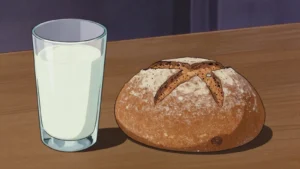
Brown soda bread
- 350 gcoarse wholemeal flour
- 150 gplain white flour
- 1 tspbicarbonate of soda, sieved
- 1 tspfine salt
- 400–420 mlbuttermilk, cold
- a little extra flour, for the tray
Directions
- Heat the oven to 220°C (425°F) with a heavy baking tray inside, or set a cast-iron pot with its lid to heat if you want the traditional bastible crust.
- Whisk the wholemeal flour, white flour, sieved bicarbonate of soda and salt together in a wide bowl, lifting the mixture high to aerate it. Sieve the soda; a lump of it will bake as a bitter yellow spot.
- Make a well and pour in most of the buttermilk at once. Mix with one stiff hand held like a claw, turning the bowl, for no more than 20 seconds, until it comes together as a soft, sticky, shaggy dough. Add the rest of the buttermilk if there is dry flour left.
- Tip onto a floured surface and, with floured hands, gather and pat it into a round about 5 cm high. Do not knead. Every second of working develops gluten and toughens the loaf, and the acid has already begun reacting with the soda.
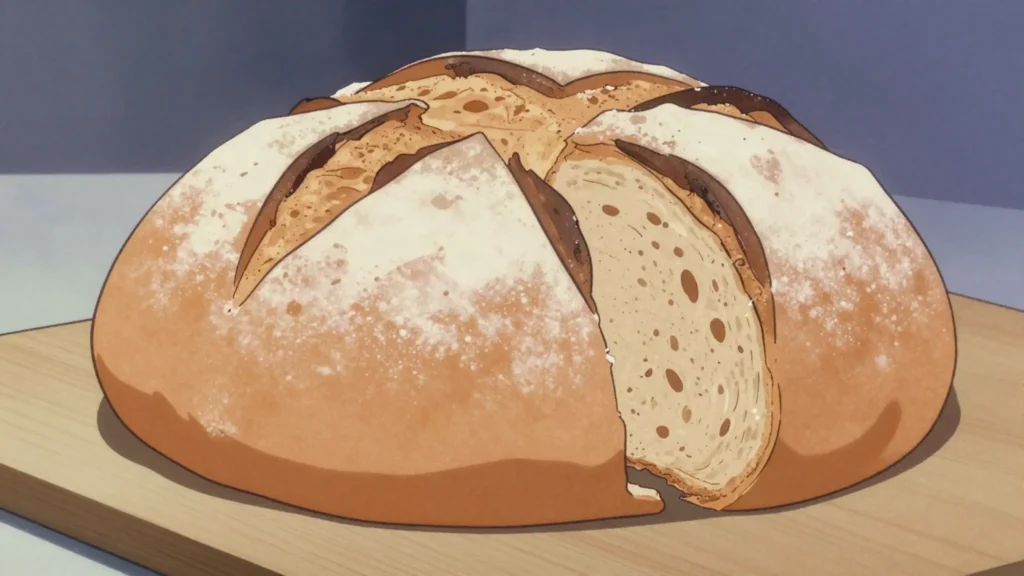
- Slide onto the hot tray, cut a deep cross right across the top, almost to the base, and prick each of the four quarters once.
- Bake at 220°C (425°F) for 15 minutes, then lower to 190°C (375°F) for a further 25–30 minutes.
- The loaf is ready when it is well browned, the cross has opened into four farls and the base sounds hollow when knocked. An instant thermometer in the centre should read about 96°C (205°F).
- Cool on a wire rack, wrapped in a clean tea towel if you want a softer crust. Eat the same day, warm, with plenty of butter.
Technique
- This is a chemical raise, not a yeast bread. Bicarbonate of soda reacts with the lactic acid in buttermilk the moment they meet, so the loaf must go into a hot oven within a couple of minutes of mixing.
- The cross is practical as well as superstitious: it lets heat into a dense, wet dough so the middle cooks. Folklore says it lets the fairies out.
- Irish wholemeal flour is coarse and stoneground; fine wholemeal gives a tighter, heavier loaf. Traditional soda bread contains no sugar, no butter, no egg and no seeds.
- Soda bread stales within a day, which is why Irish households bake it daily. Day-old bread is toasted or fried.
Substitutions
- No buttermilk: 400 ml whole milk soured with 1 tbsp lemon juice or white vinegar, left 10 minutes, or thin natural yoghurt let down with milk.
- The white flour can be increased for a lighter loaf, or dropped entirely for a very dense wholemeal brown bread.
- Cream of tartar with plain milk can replace the buttermilk acid at 1 tsp per 500 g flour.
Variations
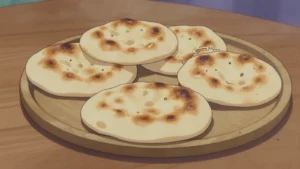
- White soda bread, made with all plain flour, is the version cut into four farls and cooked on a griddle.
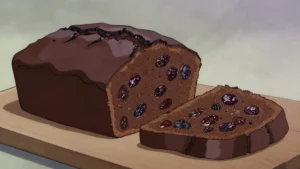
- Spotted dog or railway cake adds 100 g sultanas, an egg and a spoon of sugar, and is a treat rather than everyday bread.
- Treacle bread, with 2 tbsp black treacle worked into the buttermilk, is a northern speciality.
History
A quick bread leavened with baking soda and buttermilk rather than yeast, developed in Ireland during the 1800s after bicarbonate of soda became commercially available, offering rural households, many without a proper oven or the time for slow yeast fermentation, a fast way to bake bread using a simple pot or griddle over an open fire. Buttermilk‘s natural acidity reacting with the baking soda to produce the rise made the technique especially practical and reliable compared to yeast baking, which is more sensitive to temperature and timing. The traditional cross cut into the top of the loaf before baking is popularly explained as a way to let the bread expand evenly and cook through to the center, alongside a folk association with warding off evil or blessing the bread.
Frequently asked questions
What is Soda bread?
Soda bread is a bread & pastry from Ireland: buttermilk quick bread risen with baking soda. A quick bread leavened with baking soda and buttermilk rather than yeast, developed in Ireland during the 1800s after bicarbonate of soda became commercially available, offering rural households, many without a proper oven or the time for slow yeast fermentation, a fast way to bake bread using a simple pot or griddle over an open fire. Buttermilk’s natural acidity reacting with the baking soda to produce the rise made the technique especially practical and reliable compared to yeast baking, which is more sensitive to temperature and timing. The traditional cross cut into the top of the loaf before baking is popularly explained as a way to let the bread expand evenly and cook through to the center, alongside a folk association with warding off evil or blessing the bread.
How long does Soda bread take to make?
Soda bread takes 10 min of preparation and 45 min of cooking. The recipe makes 1 loaf. It is rated easy to make.
What can I substitute in Soda bread?
Yes, within limits. No buttermilk: 400 ml whole milk soured with 1 tbsp lemon juice or white vinegar, left 10 minutes, or thin natural yoghurt let down with milk. The white flour can be increased for a lighter loaf, or dropped entirely for a very dense wholemeal brown bread. Cream of tartar with plain milk can replace the buttermilk acid at 1 tsp per 500 g flour.
What is the most important thing to get right in Soda bread?
Tip onto a floured surface and, with floured hands, gather and pat it into a round about 5 cm high. Do not knead. Every second of working develops gluten and toughens the loaf, and the acid has already begun reacting with the soda.