
Ingredients
The papaya
- 1green papaya
- about 700 g
- unripe and hard
- peeled and deseeded
- grated coarsely
The seasoning
- 1small onion, very finely sliced
- or 4 shallots
- 1or 2 hot chillies
- finely chopped, to taste
- juice of 3 limes
- or more, to taste
- 1 teaspoonsalt
- or to taste
- black pepper
- 2 tablespoonsoil
- optional
Sometimes added
- a thumb of ginger, grated
- 2 clovesgarlic, crushed
- a handful of coriander, chopped
- a pinch of sugar
To serve
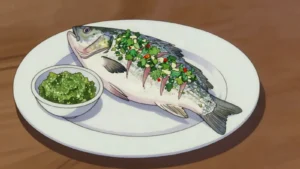
- with grilled fish
- with curry and rice
- as one condiment among several
Directions
- Wash your hands thoroughly afterwards. Do not rub your eyes while working. Peel it thickly with a peeler or a knife. Cut it in half and scrape out all the seeds. Rinse it well under running water.
- Grate it on the coarse side of a box grater. Fine grating gives a wet mushy chutney. Toss the grated papaya with the salt. Leave it in a colander twenty minutes.
- Squeeze it gently to remove the water. Do not crush it flat. Taste before adding more. Slice it very finely. Soak the slices in cold water ten minutes if you find it harsh.
- Drain and dry them. Small hot chillies are what goes in. Adjust the quantity to your tolerance. Put the squeezed papaya in a bowl. Add the onion and chillies.
- Add the ginger, garlic and coriander if using. Add the lime juice. Add pepper. Mix it with your hands.
- Squeeze and rub it gently. It should be sharply sour first. Add lime and salt until it is assertive.
- Let it stand thirty minutes before serving. Make it a few hours ahead at most. Serve it in a small bowl. It is best within a few hours.
Technique
- Grate coarsely, not finely. Fine grating gives a wet mushy chutney; coarse shreds stay crunchy, and that crunch is the whole appeal. A julienne peeler gives the best texture of all.
- Salt the shreds and leave them twenty minutes, then squeeze firmly but briefly. Wet papaya waters down the lime and salt, but crushed papaya loses its crunch — and remember it has absorbed salt, so taste before adding more.
- Season it assertively. Green papaya tastes of almost nothing, so the lime, salt and chilli carry the entire dish — a timid satini has no reason to exist.
- Make it a few hours ahead at most. The papaya softens in lime and the crunch is gone by the next day.
- Use papaya that is completely green and hard with white flesh and white seeds. Any yellow means it has started to ripen, and ripe papaya collapses to mush.
- Green papaya latex contains papain, which irritates skin and eyes and causes allergic reactions in some people. This dish is eaten raw, unlike candied or cooked papaya dishes where cooking destroys papain entirely — so wear gloves if handling a lot, wash your hands, and do not rub your eyes. Peeling, rinsing, salting and the lime all reduce it, and most people eat it without trouble.
- Unripe papaya is traditionally avoided in pregnancy in several cultures, its latex having been linked to uterine contraction in animal studies with limited human evidence. The atlas records that the caution exists and its basis, makes no medical claim, and leaves it to a doctor.
- Slice the onion very finely. Coarse raw onion dominates a chutney this small and stays harsh; soaking the slices in cold water for ten minutes softens it if you find it strong.
- Mix it with your hands, squeezing gently. That distributes everything and softens the shreds slightly in a way stirring does not.
- Let it stand thirty minutes before serving so the flavours come together.
- Satini are fresh and raw, made and eaten the same day — unlike Indian chutneys, which are often cooked and preserved. They are condiments taken a spoonful at a time, not salads.
- Wear gloves when chopping the chillies. Seychellois food uses them freely and the oil clings to skin for hours.
Substitutions
- Green mango, golden apple or unripe banana replace papaya in the same treatment.
- Shallots replace onion for a milder result.
- Lemon replaces lime, though lime is what is used.
- Ginger, garlic and coriander are all added in some households and not others.
- A little oil rounds off the sharpness; many versions use none.
- A pinch of sugar rounds the sourness without sweetening it.
Variations
- Satini pomdetour uses golden apple and is at least as common.
- Satini requin, made with boiled shark and lime, is a Seychellois speciality.
- Satini bilenbi uses the sour bilimbi fruit.
- Som tam in Thailand pounds green papaya rather than mixing it.
- Tam mak hoong in Laos is the Lao version of that pounded salad.
- Rougaille and other Creole sauces are served alongside at the same table.
Frequently asked questions
What is Satini papay?
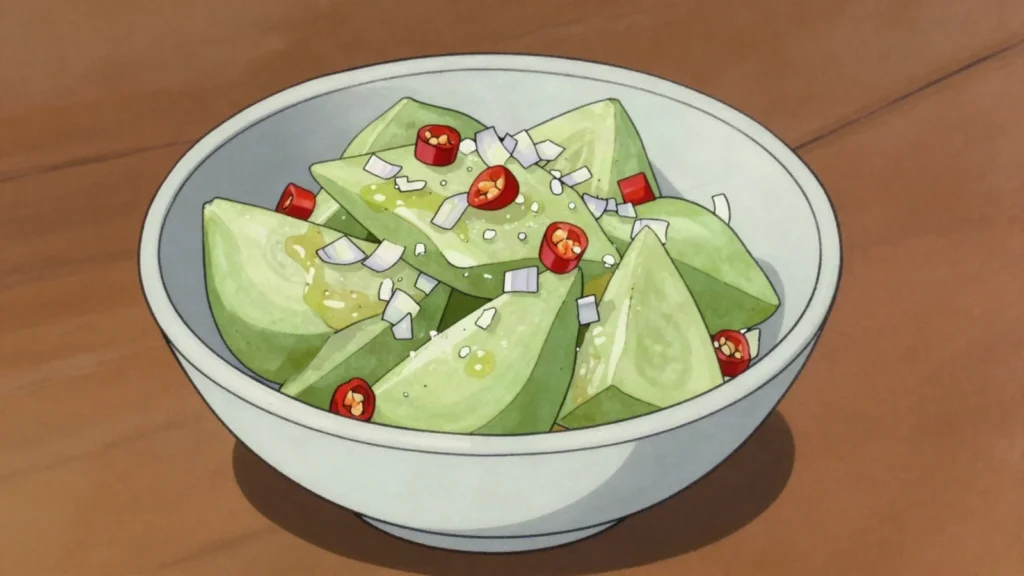
Satini papay is a sauce & condiment from Seychelles: grated green papaya chutney with lime.
How long does Satini papay take to make?
Satini papay takes 20 minutes of preparation and none of cooking. The recipe makes serves 6 as a condiment. It is rated easy to make.
What can I substitute in Satini papay?
Yes, within limits. Green mango, golden apple or unripe banana replace papaya in the same treatment. Shallots replace onion for a milder result. Lemon replaces lime, though lime is what is used. Ginger, garlic and coriander are all added in some households and not others. A little oil rounds off the sharpness; many versions use none. A pinch of sugar rounds the sourness without sweetening it.
What is the most important thing to get right in Satini papay?
Wash your hands thoroughly afterwards. Do not rub your eyes while working. Peel it thickly with a peeler or a knife. Cut it in half and scrape out all the seeds. Rinse it well under running water.