
Ingredients
Pork fat
- 1 kgpork fatback in one slab, 4–6 cm thick, skin on, from the back or side (not belly, which has too much meat)
Dry cure
- 150 gcoarse non-iodised rock salt
- 2whole heads of garlic (about 20 cloves), half sliced into slivers, half crushed
- 2 tbspblack peppercorns, coarsely cracked
- 3bay leaves, crumbled
- 1 tbspcaraway seed
- 1 tspsweet paprika, optional, for the Zakarpattia style
To serve
- 1loaf dark rye or borodinsky bread
- 1 bunchspring onions
- Salted cucumbers and mustard
- Ice-cold horilka
Directions
- Scrape the skin clean with the back of a knife under cold running water, then dry the slab completely with cloth. Any surface moisture rots rather than cures.
- Score the fat in a diamond pattern about 1 cm deep, cutting down to but not through the skin, and push a garlic sliver into every cut.
- Mix the salt with the cracked pepper, bay, caraway and the crushed garlic. Coarse salt only: fine salt draws water too fast and makes the fat hard and grey.
- Rub the cure over every surface with real pressure, skin included, until the slab is completely masked. Salo cannot take up too much salt, so use it all.
- Pack the slab into a wooden box, enamel dish or glass container, cover the remaining salt over the top, cover loosely with cloth and leave at cool room temperature (16–18°C (60–65°F)) for 24 hours.
- Move it to the fridge or a cold cellar at 2–6 C for a further 4–5 days, pouring off any liquid that collects each day and turning the slab.
- Brush off the excess salt (do not wash), wrap tightly in parchment or clean cloth and freeze. Salo is always cut from a hard-frozen block.
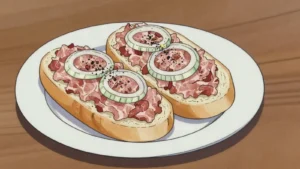
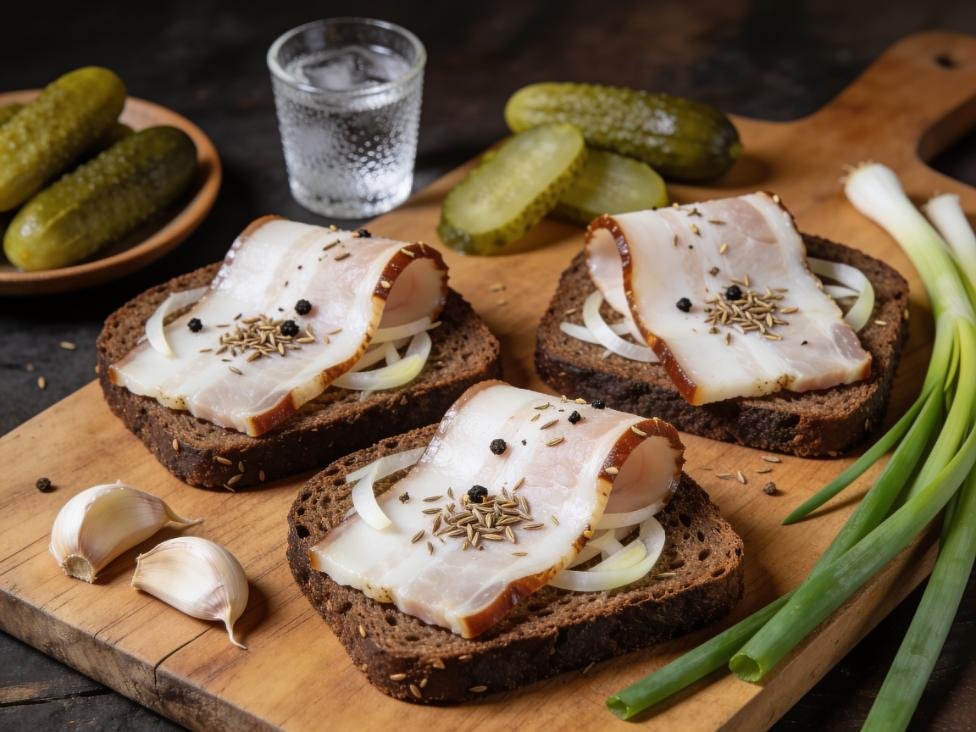
- Slice paper-thin off the frozen slab with a sharp knife, lay the slices on rye bread, top with raw garlic and spring onion, and serve with a cold shot of horilka.
Technique
- Salo must be tempered cold and cut thin. Thick slices at room temperature taste greasy; 2 mm slices melt on the tongue and taste of garlic and pepper, not fat.
- Buy fat from the back of a mature pig: it should be white with a faint pink blush, firm, and at least 4 cm thick. Yellowing fat is old and will taste rancid.
- This is a salt cure, not a fermentation, so no curing salts are needed for the fridge version; but the slab must stay under 6°C (45°F) once the first day is up.
Substitutions
- No cellar? A refrigerator at 4°C (40°F) is standard in Ukrainian flats now, though the cure runs a day or two slower.
- For salo v lusovynni (onion-skin salo), simmer the slab 40 minutes in a strong brine coloured with the skins of 6 onions, cool in the liquid, then rub with garlic and pepper for a smoky-looking, softer result.
Variations
- Zakarpattia salo, heavily coated in sweet paprika and garlic after curing.
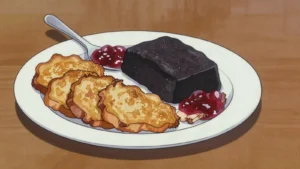
- Salo v shokoladi, a modern Kyiv bar snack of frozen salo batons dipped in dark chocolate.
- Smoked salo, cold-smoked over fruitwood for 8 hours after the salt cure.
History
Cured pork fatback, typically salted and sometimes smoked, sliced thin and eaten on dark rye bread, often with garlic and mustard, documented across Belarus, Ukraine and much of the wider Slavic world for many centuries as a way to preserve and use pork fat, a historically valuable, calorie-dense food particularly important through Eastern Europe’s long, cold winters before refrigeration existed. Salo carries genuine cultural significance in both Belarus and Ukraine specifically, treated with a degree of national pride and occasionally friendly rivalry between the two countries over whose salo tradition and preparation methods are superior. It remains a traditional appetizer and snack across both countries, commonly served alongside vodka at gatherings and celebrations.
Frequently asked questions
What is Salo?
Salo is a charcuterie & cured from Belarus: salted pork fatback with garlic, sliced onto rye bread. Cured pork fatback, typically salted and sometimes smoked, sliced thin and eaten on dark rye bread, often with garlic and mustard, documented across Belarus, Ukraine and much of the wider Slavic world for many centuries as a way to preserve and use pork fat, a historically valuable, calorie-dense food particularly important through Eastern Europe’s long, cold winters before refrigeration existed. Salo carries genuine cultural significance in both Belarus and Ukraine specifically, treated with a degree of national pride and occasionally friendly rivalry between the two countries over whose salo tradition and preparation methods are superior. It remains a traditional appetizer and snack across both countries, commonly served alongside vodka at gatherings and celebrations.
How long does Salo take to make?
Salo takes 30 min of preparation and 5 days curing of cooking. The recipe makes about 1 kg cured salo (20+ servings). It is rated easy to make.
What can I substitute in Salo?
Yes, within limits. No cellar? A refrigerator at 4°C (40°F) is standard in Ukrainian flats now, though the cure runs a day or two slower. For salo v lusovynni (onion-skin salo), simmer the slab 40 minutes in a strong brine coloured with the skins of 6 onions, cool in the liquid, then rub with garlic and pepper for a smoky-looking, softer result.
What is the most important thing to get right in Salo?
Scrape the skin clean with the back of a knife under cold running water, then dry the slab completely with cloth. Any surface moisture rots rather than cures.