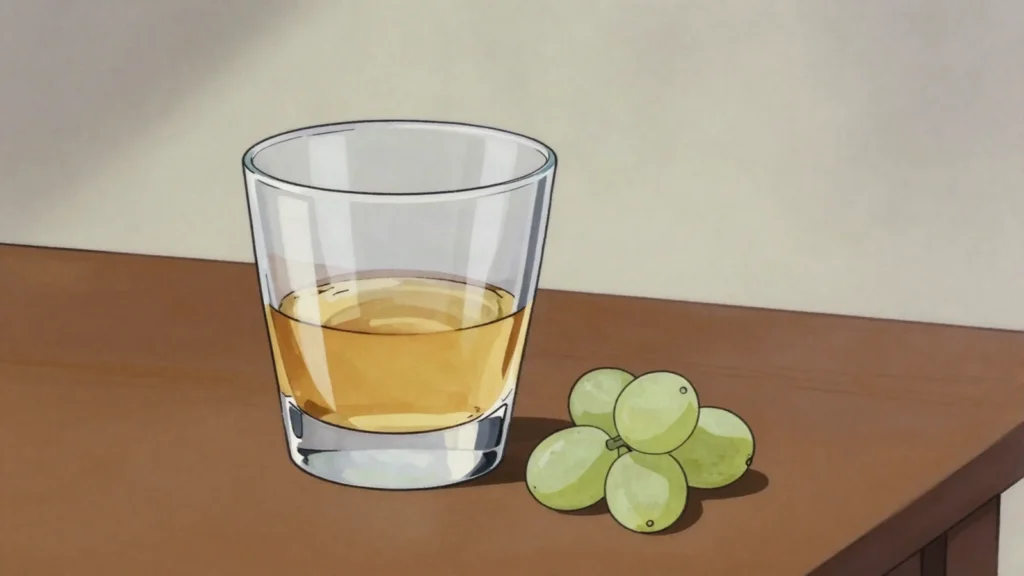

Grape brandy from the Elqui and Limarí valleys, often rested in wood so it comes out pale gold rather than clear. Chile created a pisco denomination in 1931 and in 1936 renamed the Elqui village of La Unión to Pisco Elqui, cementing its claim to the name.
Distilling without a licence is a criminal offence, and the denomination limits production to specific valleys and grape varieties.
What goes into it
- Muscat grapes, chiefly Moscatel de Alejandría
- yeast
- oak or rauli barrels for the aged styles
How it is made
Aromatic Muscat grapes from the high desert valleys are pressed and fermented into a base wine, which is then distilled in copper pot stills. The distiller keeps only the middle of the run. Chilean pisco is generally rested in wood, unlike the Peruvian style, and diluted to bottling strength with water.
How long it takes: one vintage a year, then months to years in wood
How it is eaten
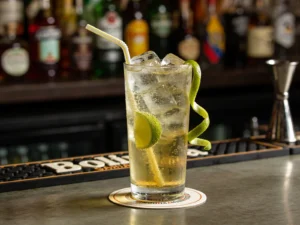
In a pisco sour, in a piscola with cola, or neat as an aged reserve.
History
Chile created a pisco denomination in 1931 and in 1936 renamed the Elqui village of La Union to Pisco Elqui, cementing its claim.
Frequently asked questions
What is Pisco chileno?
Pisco chileno is a wine & spirit from Chile: grape brandy from the Elqui and Limari valleys, often rested in wood. Chile created a pisco denomination in 1931 and in 1936 renamed the Elqui village of La Union to Pisco Elqui, cementing its claim.
How is Pisco chileno made?
Aromatic Muscat grapes from the high desert valleys are pressed and fermented into a base wine, which is then distilled in copper pot stills. The distiller keeps only the middle of the run. Chilean pisco is generally rested in wood, unlike the Peruvian style, and diluted to bottling strength with water. It takes one vintage a year, then months to years in wood.
Can I make Pisco chileno at home?
No, and the atlas gives no method for it. Distilling without a licence is a criminal offence, and the denomination limits production to specific valleys and grape varieties.
What goes into Pisco chileno?
Muscat grapes, chiefly Moscatel de Alejandría, yeast, oak or rauli barrels for the aged styles.
How is Pisco chileno eaten?
In a pisco sour, in a piscola with cola, or neat as an aged reserve.