
Ingredients
The dough
- 500 gfine cornmeal
- or corn flour, not cornflour starch
- 100 gglutinous rice flour
- about 350 ml boiling water
- 2 tablespoonssugar
- 1 teaspoonsalt
Sometimes filled with
- sweetened red bean paste
- or crushed cooked beans
- with a little sugar
To steam
- a steamer basket
- a clean cloth, to line
- a little oil
To finish
- a little sesame oil
- to brush
Directions
- Mix the cornmeal and glutinous rice flour. Add the sugar and salt to them. Stir them together thoroughly. They must be evenly combined first. Whisk them both together properly.
- Bring the water to a rolling boil. It must be genuinely at a rolling boil. Pour the boiling water into the flour. Add it gradually while mixing. Mix it with a wooden spoon first. The mixture is far too hot for hands. Let it cool before working it. Take real care with boiling water. Judging the dough takes a squeeze. Squeeze a handful in your palm. It should hold together smoothly.
- Add more boiling water if it crumbles. Add more cornmeal if it sticks. Add either a little at a time. Knead it once it is cool enough. Give it about five full minutes. Cover the dough and let it rest. Give it about fifteen minutes.
- Divide the dough into even pieces. Roll each one into a smooth ball. Make them about the size of an egg. Larger ones do not steam through evenly. Keep them all about the same size. Press each ball into a flat round. About two centimetres thick is right.
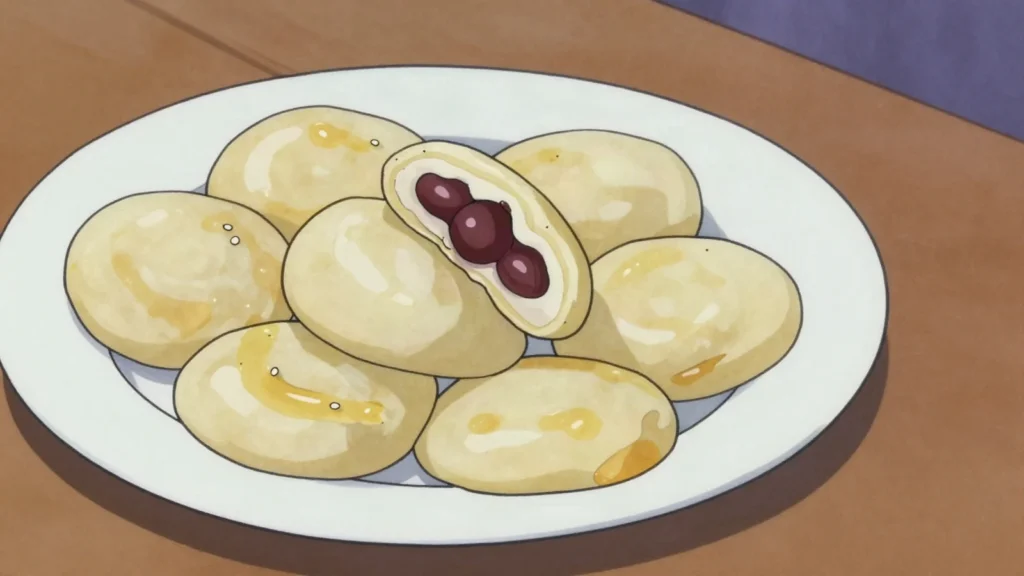
- Flatten one ball in your palm. Put a spoon of bean paste in the centre. Fold the dough right up around it. Seal it and roll it smooth again. The seal must be entirely complete.
- Pinch it firmly closed all round. Then roll it to smooth the seam. Line the basket with a clean cloth. Brush it over with a little oil. A cloth stops that happening entirely. Oil it as well to be quite certain. Arranging them is straightforward enough.
- Set all the cakes in the basket. Leave space in between each one. Leave a good gap between them. Bring the water to a steady boil. Set the basket down over the water. Cover the whole pot up tightly. Cooking them takes about twenty minutes.
- Let them steam for about twenty minutes. The dough must cook right through. Steam condenses on the lid and drips. Wrap the lid in a cloth to catch them. Judging them takes a careful look.
- Break the first one open to check. The inside should be cooked and chewy. Steam them for longer if it is. Brush the hot cakes with sesame oil. The oil stops them drying out. Set all of them out on a plate. They keep a day at room temperature. Steam them again briefly to soften.
Technique
- The dough is made with genuinely boiling water rather than hot, which gelatinises some of the starch so it binds; cold water gives a crumbly dough. Mix it with a wooden spoon first and let it cool before working it, since it is far too hot for hands.
- A little glutinous rice flour gives the chewy elastic texture a tteok should have, which corn alone would not — chewiness is what defines a tteok rather than a cake-like crumb, and that texture is the point.
- The atlas also carries okssusu guksu, corn noodles from the same region, and the same logic produced both. Food shortage in the north is documented and serious, but the mountain provinces ate corn long before any crisis because the geography made it the sensible crop — so this is recorded as regional cooking rather than hardship food alone.
Substitutions
- Sweetened red bean paste or crushed cooked beans make a filled version, though the plain cakes are the everyday form; seal the dough completely, since filling leaks through any gap.
- Brush the hot cakes with sesame oil, which stops them drying and sticking and adds a nutty aroma.
Variations
- Use fine cornmeal or corn flour, the ground whole grain, rather than cornflour starch.
- Line the steamer basket with an oiled cloth, since tteok sticks badly to a bare one, and leave gaps since touching cakes fuse.
- They go hard as they cool and keep; steaming them again briefly brings the chew back completely.
History
Maize became a staple in the mountainous north where paddy rice is scarce, and corn cakes replaced rice tteok.
Frequently asked questions
What is Okssusu Tteok?
Okssusu Tteok is a snack from North Korea: steamed corn cakes, chewy and faintly sweet; everyday rice substitute. Maize became a staple in the mountainous north where paddy rice is scarce, and corn cakes replaced rice tteok.
How long does Okssusu Tteok take to make?
Okssusu Tteok takes 30 minutes of preparation and 30 minutes of cooking. The recipe makes about 20 cakes. It is rated medium to make.
What can I substitute in Okssusu Tteok?
Yes, within limits. Sweetened red bean paste or crushed cooked beans make a filled version, though the plain cakes are the everyday form; seal the dough completely, since filling leaks through any gap. Brush the hot cakes with sesame oil, which stops them drying and sticking and adds a nutty aroma.
What is the most important thing to get right in Okssusu Tteok?
Mix the cornmeal and glutinous rice flour. Add the sugar and salt to them. Stir them together thoroughly. They must be evenly combined first. Whisk them both together properly.