
Ingredients
The maize
- 400 gdried maize kernels
- white, soaked overnight
The pulses
- 300 graw groundnuts
- or 300 g cowpeas
- or 300 g bambara nuts
- soaked overnight
To cook
- plenty of water
- 2 teaspoonssalt
- or to taste
To serve
- hot in a bowl
- at harvest time
- with tea
Directions
- Discard shrivelled or discoloured nuts. Discard any that smell musty at all. The maize should be soft but still whole. Rinse the dried maize thoroughly. Cover it well with cold water. Leave it to soak there overnight. Soaking the pulses is done separately.
- Rinse the groundnuts or beans. Cover them well with cold water. Leave them overnight as well there. Use plenty of water for the soak. They must stay covered throughout. Top it up if they rise above it. Draining them is straightforward enough. Drain both of them thoroughly. Discard all of the soaking water.
- Pick through the soaked grains. Discard any that look damaged. Discard any that float on the water. Put the maize in a large heavy pot. Cover it well with fresh water. Bring the pot up to a full boil. Maize takes longer than the pulses.
- Let it simmer for about an hour. An hour only starts to soften it. Add the drained groundnuts or beans. Add more water if it looks short. They must stay covered throughout. Check it every twenty minutes. Add hot water rather than cold.
- Let it simmer for another ninety minutes. Two and a half hours is normal. Cook it on if it resists at all. Add the salt in only near the end.
- Salt added early can toughen skins. Give it ten more minutes after salting. Salt is the only seasoning here. Taste it and adjust it as needed. Drain off most of the cooking water. Some like it drained fairly dry.
- Spoon it out into warm deep bowls. Serve tea alongside if you like. It keeps three days refrigerated.
Technique
- Maize is low in some amino acids and groundnuts and beans supply exactly those, so together they make a far better protein — a pairing arrived at by experience and found across the world. The dish takes nothing but the grains, water and salt.
- Dried maize kernels are extremely hard and take hours: soak overnight, give the maize an hour’s head start before the pulses go in, and expect two and a half hours in total. Older maize takes considerably longer, so judge it rather than trusting a clock.
- Groundnuts can carry aflatoxin, produced by moulds on stored nuts and not destroyed by cooking, so buy from a source you trust and discard shrivelled, discoloured or musty ones. Say clearly which pulse has gone in, since peanut allergy can be severe.
Substitutions
- Cowpeas or bambara nuts replace the groundnuts; cowpeas do not carry the red kidney bean toxin and need no hard boil, though they still need long cooking.
- Bambara groundnut, nyimo in Shona, grows underground like a peanut but is a different plant, tolerating poor soil and drought.
Variations
- Add the salt near the end, since salt added early can toughen the skins.
- The maize stays slightly chewy even when done, and that chew is characteristic; it should not be hard or chalky.
- Some drain it fairly dry and others leave a little cooking liquid in the bowl; both are done.
History
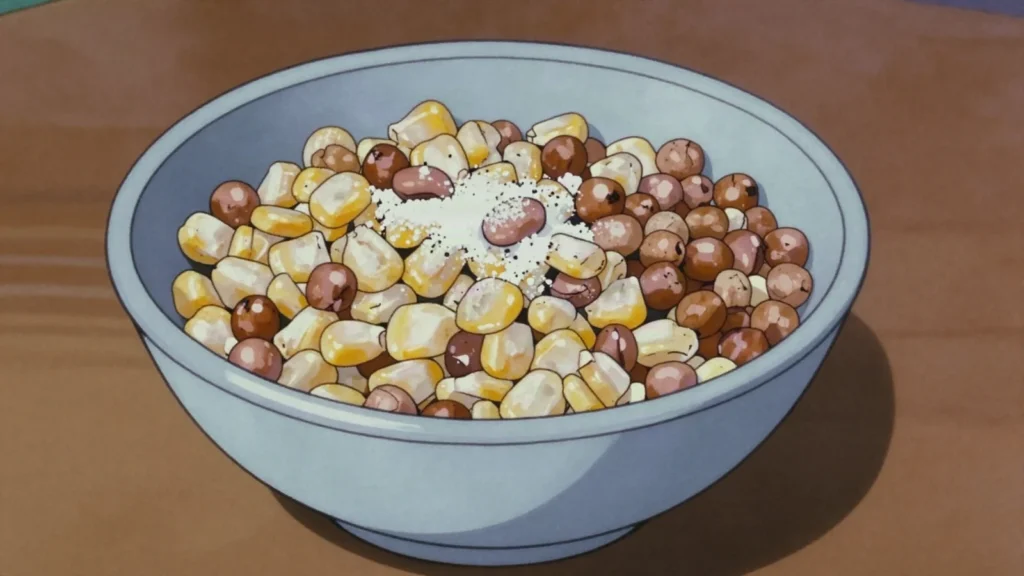
Maize boiled with groundnuts, cowpeas or bambara beans, a harvest-time dish that needs nothing but water and salt.
Frequently asked questions
What is Mutakura?
Mutakura is a snack from Zimbabwe: boiled maize with peanuts, cowpeas or bambara nuts. Maize boiled with groundnuts, cowpeas or bambara beans, a harvest-time dish that needs nothing but water and salt.
How long does Mutakura take to make?
Mutakura takes 15 minutes plus soaking of preparation and 2 hours 30 minutes of cooking. The recipe makes serves 8. It is rated easy to make.
What can I substitute in Mutakura?
Yes, within limits. Cowpeas or bambara nuts replace the groundnuts; cowpeas do not carry the red kidney bean toxin and need no hard boil, though they still need long cooking. Bambara groundnut, nyimo in Shona, grows underground like a peanut but is a different plant, tolerating poor soil and drought.
What is the most important thing to get right in Mutakura?
Rinse the groundnuts or beans. Cover them well with cold water. Leave them overnight as well there. Use plenty of water for the soak. They must stay covered throughout. Top it up if they rise above it. Draining them is straightforward enough. Drain both of them thoroughly. Discard all of the soaking water.