
Ingredients
Coffee
- 80 gLao coffee
- a dark roast robusta or arabica
- ground coarse
- 600 mlwater, just off the boil
To serve
- 6 tablespoonssweetened condensed milk
- ice, for the cold version
- hot green tea, as a chaser
Equipment
- a cloth coffee sock
- or a fine sieve
- or a cafetiere
- tall glasses
Directions
- Rinse it thoroughly after every use. Or dry it completely between uses. Grind the beans coarse for a cloth filter. Grind them just before brewing. Ground coffee goes stale within hours.
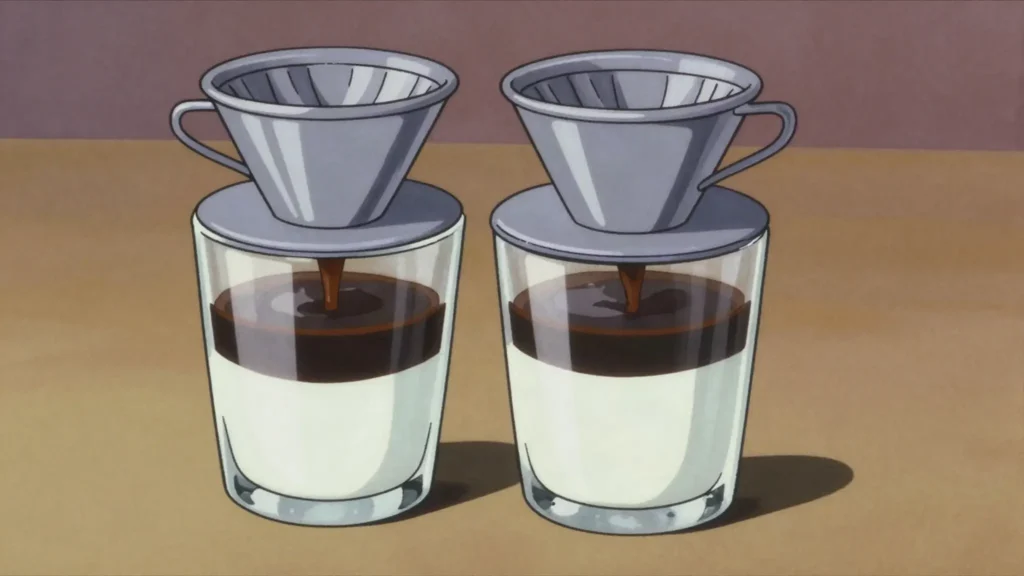
- Bring all the water to a full boil. Let it stand for thirty seconds. Spoon condensed milk into each glass. Use about a tablespoon and a half each. Let it sit in the bottom of the glass. The milk sits as a thick layer at the base.
- Put the grounds in the cloth sock. Set it over a jug or a tall glass. Pour a little hot water over to wet them. Let it stand for thirty seconds. Hot water releases it as visible bubbling.
- Pour the rest of the water slowly. Pour it in circles over the grounds. Let it all drip right through. Give it about three minutes in total. Add coarse grounds to the warmed pot. Pour in all the water at once. Stir the crust after thirty seconds.
- Let it steep for four minutes. Press the plunger down slowly. Pour it out immediately afterwards. Coffee left on the grounds keeps extracting.
- Pour the hot coffee over the condensed milk. Pour it slowly down the side of the glass. That keeps the layers separate. Serve hot green tea alongside. Serving it cold is the other way. Fill a tall glass right up with ice.
- Spoon condensed milk in first. Pour the hot coffee over the ice. Use half the water for the same grounds. Stir it well before you drink it. It does not keep at all well after.
Technique
- Laos was heavily bombed between nineteen sixty-four and seventy-three and is among the most heavily bombed countries per person; the Ho Chi Minh trail ran through the south and the Bolaven Plateau saw very heavy bombing. Large quantities of unexploded ordnance remain, still killing and injuring people, clearance work continues, and it is a real hazard for farmers working the land.
- Lao coffee is traditionally roasted very dark, which stands up to the heavy sweetening of condensed milk where a light roast would be lost under it; some roasters add butter or sugar during roasting, a practice found across mainland South East Asia.
- A cloth coffee sock lets far more of the coffee oils through than paper, giving a heavier richer cup that suits a dark roast with milk; but old oils turn rancid in the cloth and taint every cup afterwards, so rinse it thoroughly after use and either store it in water in the refrigerator or dry it completely.
Substitutions
- A cafetiere stands in for a cloth sock with a coarse grind.
- Any dark roast robusta or arabica works, and both are grown on the plateau.
Variations
- It is served hot over condensed milk or poured over ice for the cold version.
- The iced version is brewed at double strength to allow for melting ice.
- A glass of hot green tea is served alongside to clear the sweetness.
History
French planters established coffee on the Bolaven Plateau in the 1920s; volcanic soil and altitude make it Laos’s leading agricultural export.
Frequently asked questions
What is Lao Coffee?
Lao Coffee is a drink from Laos: dense dark-roast coffee from the southern highlands, drunk with condensed milk. French planters established coffee on the Bolaven Plateau in the 1920s; volcanic soil and altitude make it Laos’s leading agricultural export.
How long does Lao Coffee take to make?
Lao Coffee takes 10 minutes of preparation and 10 minutes of cooking. The recipe makes serves 4. It is rated easy to make.
What can I substitute in Lao Coffee?
Yes, within limits. A cafetiere stands in for a cloth sock with a coarse grind. Any dark roast robusta or arabica works, and both are grown on the plateau.