
Ingredients
Cocoa
- 150 gcocoa beans, or 100 g pure cocoa paste, tablea style
Liquid
- 800 mlmilk, or half milk and half water
Sweetening
- 100 gsugar, or to taste
Sometimes
- 1cinnamon stick
- a pinch of salt
- a pinch of chilli
- a little cornflour, to thicken
To serve
- thick, hot, in small cups
Directions
- Roast the beans in a dry pan or a moderate oven for fifteen to twenty minutes, stirring often. They will crackle as the shells loosen, and they should smell strongly of chocolate.
- Let them cool, then rub them between your hands to loosen the papery shells.
- Grind the nibs until they liquefy into a thick paste. This takes considerable grinding, since the cocoa butter must be released before it becomes a paste.
- Bring the milk to a bare simmer with the cinnamon if you are using it. Do not let it boil, since milk boils over in seconds and forms a skin. Add the cocoa paste and whisk it until fully dissolved.
- Whisk it thoroughly, since undissolved cocoa sinks and sits at the bottom of the cup. The drink is beaten hard with a whisk or a wooden molinillo until frothy on top. Beat it for a minute or two until a layer of foam forms.
- Add sugar to taste, which is usually a generous amount since pure cocoa is very bitter. It should be thick enough to coat the cup, closer to a sauce than to a milky drink.
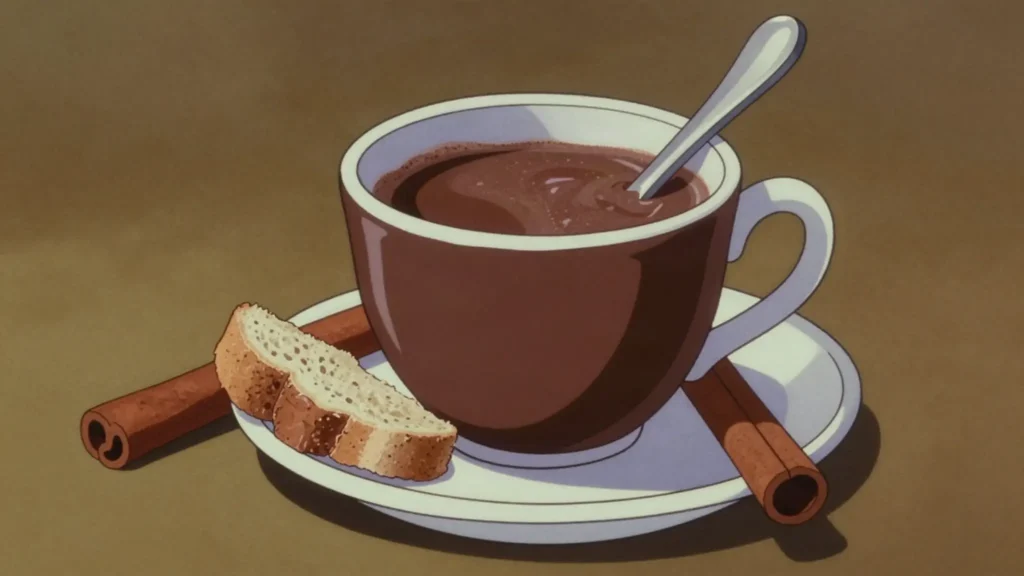
- Serve it in small cups rather than large mugs, since it is rich. Serve it very hot, with bread for dipping if you like.
Technique
- Bioko’s cocoa plantations depended on labour recruitment that drew international criticism.
- Whole ground cocoa keeps its butter, which is why the drink is thick.
- Beating it to a froth is traditional across cocoa-drinking cultures.
Substitutions
- Pure cocoa paste or unsweetened chocolate in place of whole beans.
- Good cocoa powder, accepting a thinner drink.
Variations
- With cinnamon and a pinch of chilli.
- Made with water rather than milk, which is more traditional.
- Thickened with a little cornflour.
History
Spanish planters made Fernando Pó, now Bioko, a cocoa island in the nineteenth century, worked largely by contract labourers recruited from Nigeria and Liberia.
Frequently asked questions
What is Cacao?
Cacao is a drink from Equatorial Guinea: bioko cocoa roasted and ground for thick sweet hot chocolate. Spanish planters made Fernando Pó, now Bioko, a cocoa island in the nineteenth century, worked largely by contract labourers recruited from Nigeria and Liberia.
How long does Cacao take to make?
Cacao takes 10 min of preparation and 20 min of cooking. The recipe makes 4 cups. It is rated medium to make.
What can I substitute in Cacao?
Yes, within limits. Pure cocoa paste or unsweetened chocolate in place of whole beans. Good cocoa powder, accepting a thinner drink.
What is the most important thing to get right in Cacao?
Grind the nibs until they liquefy into a thick paste. This takes considerable grinding, since the cocoa butter must be released before it becomes a paste.