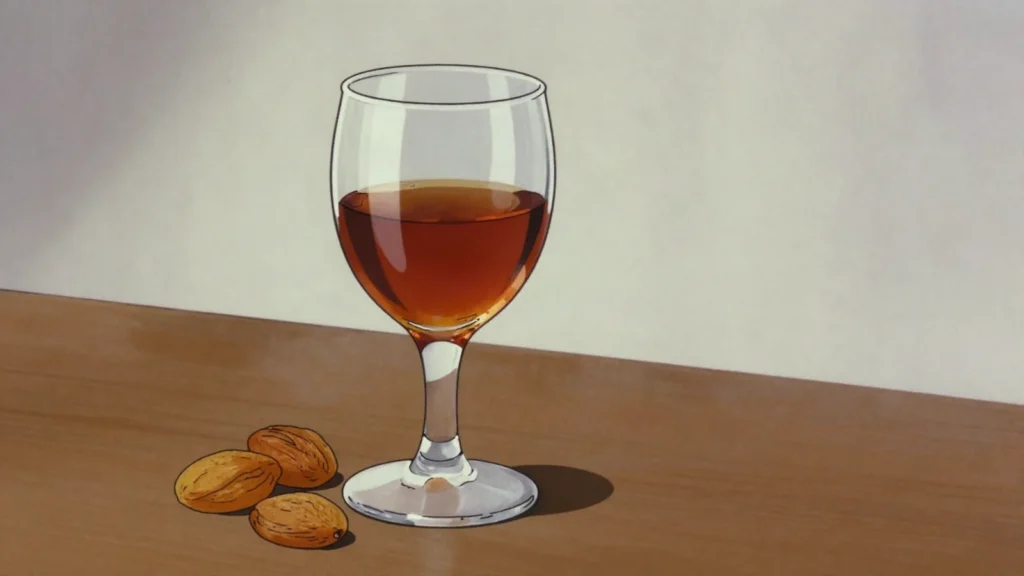

An amber fortified muscat aged on its skins, honeyed and orange-scented. José Maria da Fonseca commercialised it from 1834 on the Setúbal peninsula, and the region was formally demarcated in 1907.
It is a demarcated appellation fortified with a licensed spirit and aged for years in cask; there is no kitchen procedure behind it.
What goes into it
- Moscatel de Setúbal grapes
- grape spirit
- oak casks
How it is made
The must is fermented briefly and then fortified with grape spirit, which stops the fermentation while the sugar is still high. What makes it unusual is what follows: the wine is left on the grape skins for several months after fortification, so the alcohol extracts the muscat aromatics directly. It is then aged in oak for years.
How long it takes: months on skins, then five to twenty years and more in cask
How it is eaten
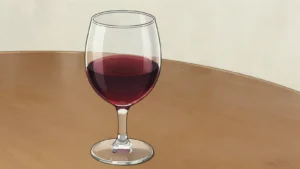
Cool in a small glass after dinner, with dried fruit, almonds or blue cheese.
History
Commercialised by José Maria da Fonseca from 1834 on the Setúbal peninsula; the region was formally demarcated in 1907.
Frequently asked questions
What is Moscatel de Setúbal?
Moscatel de Setúbal is a wine & spirit from Portugal: amber fortified muscat aged on skins, honeyed and orange-scented. Commercialised by José Maria da Fonseca from 1834 on the Setúbal peninsula; the region was formally demarcated in 1907.
How is Moscatel de Setúbal made?
The must is fermented briefly and then fortified with grape spirit, which stops the fermentation while the sugar is still high. What makes it unusual is what follows: the wine is left on the grape skins for several months after fortification, so the alcohol extracts the muscat aromatics directly. It is then aged in oak for years. It takes months on skins, then five to twenty years and more in cask.
Can I make Moscatel de Setúbal at home?
No, and the atlas gives no method for it. It is a demarcated appellation fortified with a licensed spirit and aged for years in cask; there is no kitchen procedure behind it.
What goes into Moscatel de Setúbal?
Moscatel de Setúbal grapes, grape spirit, oak casks.
How is Moscatel de Setúbal eaten?
Cool in a small glass after dinner, with dried fruit, almonds or blue cheese.