
Ingredients
Raw material
- 500 kgfreshly cut sugarcane (best from the irrigated valleys of Santo Antão and Santiago)
- Spring water only if needed to rinse the mill
Fermentation
- About 300 litres fresh cane juice (calda), 16–20 Brix
- Wild yeasts from the cane skin and the wooden tank (no commercial yeast is added)
Equipment
- A trapiche: an ox- or motor-driven cane mill
- A wooden or stone fermentation tank
- A copper alambique with a coiled condenser cooled by running water
- Firewood
To serve as ponche
- 50 mlgrogue
- 20 mlmel de cana (sugarcane molasses)
- 15 mllime juice
Directions
- Cut mature cane at the peak of the dry season, strip the leaves and mill it the same day in the trapiche; juice left standing sours within hours.
- Strain the juice through cloth into the open fermentation tank and let it ferment on wild yeast at ambient temperature, 25–30°C (75–85°F), for 4–7 days; it foams hard, then falls quiet and smells sharply of cider when the sugar is gone.
- Charge the copper pot still with the fermented wine and heat it over a slow wood fire, working with the fire, not the fuel, so the still never boils violently.
- Discard the first cloudy runnings, the cabeça, roughly the first litre per charge; they carry the harsh volatiles.
- Collect the heart of the run while the distillate reads about 60–45% ABV on the hydrometer, watching the string of the spirit and its clean cane-grass smell.
- Cut to the tails when the spirit drops below about 40% and the aroma turns wet-cardboard; these are held back for the next charge.
- Blend the hearts, rest the spirit in glass demijohns or oak for weeks to months to lose its rawness, then reduce with soft water to 40–50% ABV for bottling.
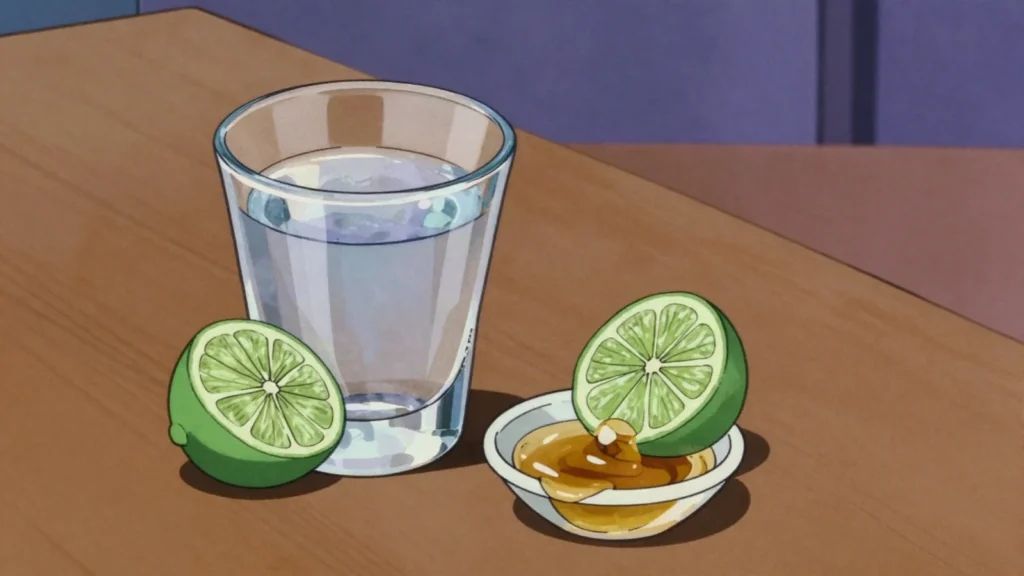
- Serve neat at room temperature in small thick shot glasses, or shake with mel de cana and lime over ice for ponche.
Technique
- Grogue is a single-distilled cane-juice spirit, closer to Caribbean rhum agricole than to molasses rum; the grassy, olive-brine edge comes from the wild ferment and the direct-fire copper still.
- Home distilling is illegal in most countries and unsafe without training: badly made cuts concentrate methanol and the vapour is highly flammable. Treat this as a description of how island trapiches work, not as an instruction to build a still.
- Grogue de Santo Antão holds a protected designation in Cape Verde; the best examples list the valley, the cane variety and the year of the run.
Substitutions
- To taste the style without distilling, buy a bottled grogue or an unaged rhum agricole blanc from Martinique or Marie-Galante; both are cane-juice spirits with the same vegetal backbone.
- If mel de cana is unavailable for ponche, use a thin dark cane syrup, not molasses, which is too bitter.
Variations
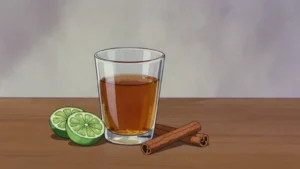
- Ponche is the everyday grogue drink: grogue, cane honey and lime, sometimes with cinnamon or passionfruit.
- Grogue velho is rested in oak barrels for a year or more and drunk slowly, like a cane brandy.
History
Sugarcane spirit distilled in trapiche mills since the seventeenth century; Portuguese authorities repeatedly restricted it to protect metropolitan brandy exports.
Frequently asked questions
What is Grogue?
Grogue is a wine & spirit from Cape Verde: artisanal sugarcane rum distilled in island trapiches. Sugarcane spirit distilled in trapiche mills since the seventeenth century; Portuguese authorities repeatedly restricted it to protect metropolitan brandy exports.
How long does Grogue take to make?
Grogue takes 1 day cutting and milling cane of preparation and 4–7 days fermenting plus 1 day distilling of cooking. The recipe makes about 25 litres at 45% ABV from one small run. It is rated hard to make.
What can I substitute in Grogue?
Yes, within limits. To taste the style without distilling, buy a bottled grogue or an unaged rhum agricole blanc from Martinique or Marie-Galante; both are cane-juice spirits with the same vegetal backbone. If mel de cana is unavailable for ponche, use a thin dark cane syrup, not molasses, which is too bitter.
What is the most important thing to get right in Grogue?
Charge the copper pot still with the fermented wine and heat it over a slow wood fire, working with the fire, not the fuel, so the still never boils violently.