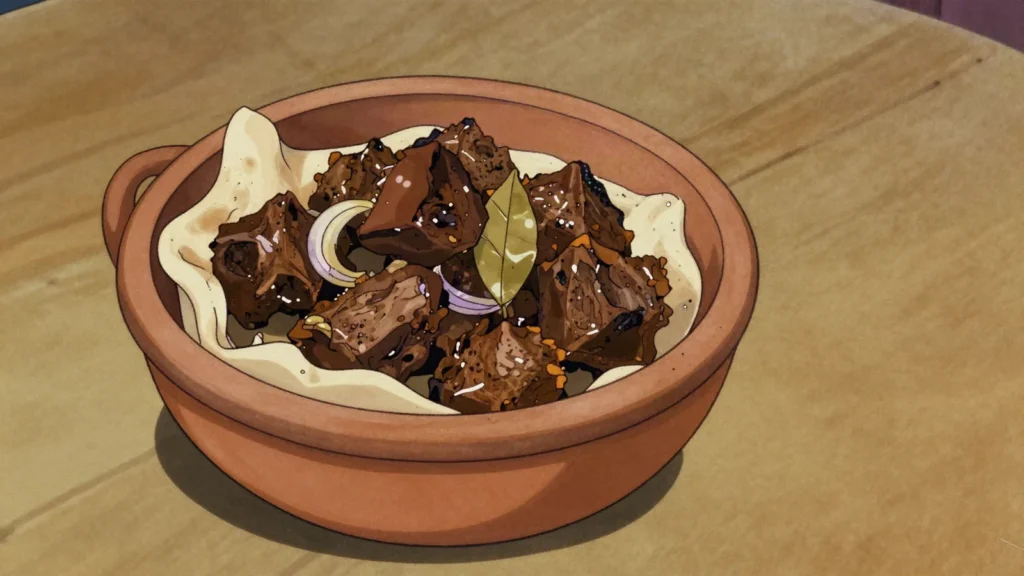

Ingredients
Meat
- 1.5 kgmutton or lamb, in chunks
- 300 gsheep tail fat, cubed
- or 200 ml oil
- 2 tablespoonssalt
To season
- 3onions, sliced
- 2 teaspoonsblack pepper
- 1 teaspoonground cumin
- 2bay leaves
- 1 teaspoonground coriander, optional
To serve fresh
- flatbread
- sliced raw onion
- green tea
- tomato and cucumber
Directions
- Keep preserved meat refrigerated, not at room temperature. Do not store it in a warm kitchen. Discard any pot that smells wrong. Discard any pot with a bulging or gassy look. Never taste anything to test it.
- Cut the tail fat into small cubes. Put them into a cold heavy pot. Set the heavy pot over a low heat. Let the fat render out slowly. Starting cold is what renders it properly. Lift them out and set them aside. You should have a good depth of clear fat.
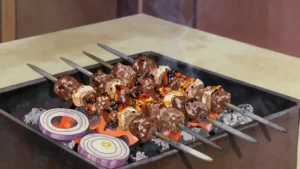
- Cut the meat into even chunks. Pat every piece completely dry. Turn the heat up under the fat. Add the meat in separate batches. Do not crowd the pot at any point.
- Let each batch brown without moving it. Give it three or four minutes a side. Lift each batch out as it finishes. Return all the meat to the pot. Add the salt and the ground spices. Add the bay leaves to the pot. Turn the heat right down to low.
- Cover it and let it cook slowly. Give it about forty full minutes. Add the sliced onions for the last ten minutes. They soften down into the hot fat. Add it only if eating the meat fresh. Spoon the hot meat onto a platter. Serve flatbread alongside the meat. Add sliced raw onion to the plate. Preserving it takes some real care.
- Pack the hot meat into it tightly. Press out every last air pocket. Pour the hot fat over to cover it. The meat must be fully submerged. Let it cool and the fat will set solid. Storing it needs the modern precaution. Cover it over and refrigerate it. Do not keep it at room temperature. Take out only what you need now. Smooth the fat back over the rest.
- Use a clean dry spoon every time. Lift out the meat and the fat around it. Fry it in a pan until piping hot. Heat it right through, not just the surface. Add onion and spices at that point. Serve it as you would the fresh version.
Technique
- Sealing cooked meat under fat slows spoilage but creates low-oxygen conditions in which Clostridium botulinum can grow and produce toxin; the traditional method relied on cold cellars and heavy salt, so modern practice should keep it refrigerated rather than at room temperature, reheat it thoroughly, and discard any pot that smells wrong or looks gassy.
- Fat-tailed sheep store fat in a large tail that renders clear and sets very firm, and a firm seal is what this method needs, since soft oil does not seal the same way.
- Onion holds water and encourages spoilage, so preserved batches often leave it out entirely and it is added only when the meat is to be eaten fresh.
Substitutions
- Oil can replace tail fat for a fresh dish, though it does not set into a firm seal.
- Beef can replace mutton, though mutton is what Turkmenistan uses.
Variations
- Eaten fresh it is simply a fried mutton dish with onion.
- The crisp rendered fat pieces are eaten as a snack.
- Similar meat preserved under fat is made across Central Asia.
History
Meat fried and then stored under its own fat in clay pots through the winter.
Frequently asked questions
What is Govurdak?
Govurdak is a main from Turkmenistan: mutton chunks fried in tail fat, preserved for winter. Meat fried and then stored under its own fat in clay pots through the winter.
How long does Govurdak take to make?
Govurdak takes 25 minutes of preparation and 1 hour of cooking. The recipe makes serves 6, or one pot preserved. It is rated medium to make.
What can I substitute in Govurdak?
Yes, within limits. Oil can replace tail fat for a fresh dish, though it does not set into a firm seal. Beef can replace mutton, though mutton is what Turkmenistan uses.
What is the most important thing to get right in Govurdak?
Keep preserved meat refrigerated, not at room temperature. Do not store it in a warm kitchen. Discard any pot that smells wrong. Discard any pot with a bulging or gassy look. Never taste anything to test it.