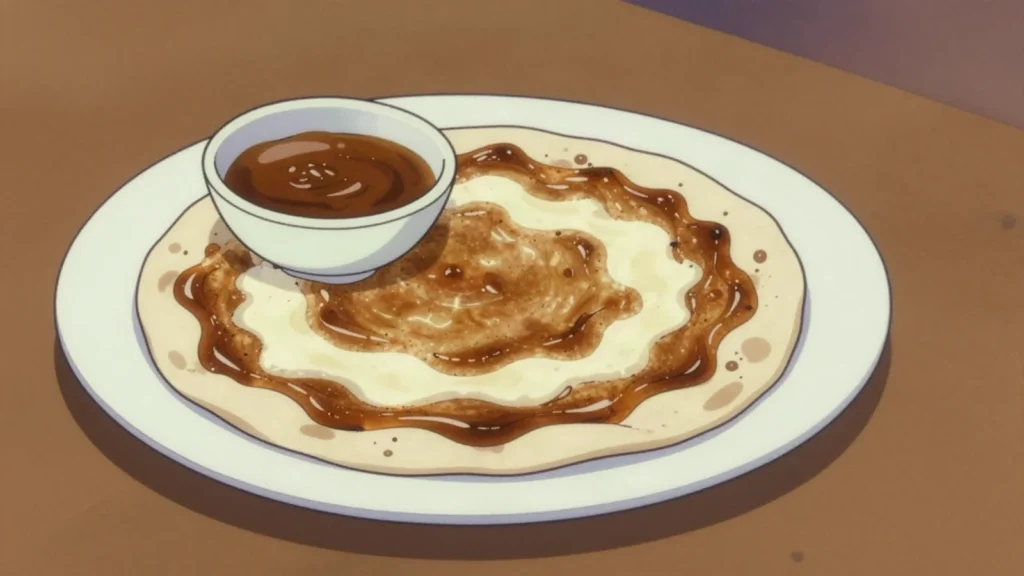

A thin, dark, intensely savoury sauce of fermented anchovies, carried to the Gulf by Persian migrants from Bandar Abbas and Hormozgan. In Bahrain it is spread on hot bread, stirred into rice and used the way other kitchens use fish sauce.
This is a low-acid ferment of raw fish held for months at ambient temperature — the conditions Clostridium botulinum needs — and it is kept safe by a salt ratio measured against the weight of fish, not by anything a cook can judge by eye. Buy it; every Gulf grocer sells it.
What goes into it
- small oily fish, usually anchovy or sardine
- salt, heavily
- mustard seed
- fennel seed
- cumin
- coriander seed
- turmeric
- tamarind or lime
How it is made
Whole small fish are packed with a great deal of salt in a sealed vessel and left in the warm for weeks or months, until the flesh breaks down entirely into a brown liquid. That liquid is drained off, boiled with toasted ground spices and tamarind, then strained and bottled. The salt concentration, not refrigeration, is what keeps the mixture safe while it works.
How long it takes: several weeks to several months of fermentation
How it is eaten
Smeared on warm khubz or ragag bread, often with cheese; stirred into rice, or used a spoonful at a time to deepen a stew.
History
Sauce of fermented anchovies with mustard seed and spices, brought by Persian migrants and smeared on bread.
Frequently asked questions
What is Mahyawa?
Mahyawa is a sauce & condiment from Bahrain: pungent fermented anchovy sauce spread on flatbread. Sauce of fermented anchovies with mustard seed and spices, brought by Persian migrants and smeared on bread.
How is Mahyawa made?
Whole small fish are packed with a great deal of salt in a sealed vessel and left in the warm for weeks or months, until the flesh breaks down entirely into a brown liquid. That liquid is drained off, boiled with toasted ground spices and tamarind, then strained and bottled. The salt concentration, not refrigeration, is what keeps the mixture safe while it works. It takes several weeks to several months of fermentation.
Can I make Mahyawa at home?
No, and the atlas gives no method for it. This is a low-acid ferment of raw fish held for months at ambient temperature — the conditions Clostridium botulinum needs — and it is kept safe by a salt ratio measured against the weight of fish, not by anything a cook can judge by eye. Buy it; every Gulf grocer sells it.
What goes into Mahyawa?
Small oily fish, usually anchovy or sardine, salt, heavily, mustard seed, fennel seed, cumin, coriander seed, turmeric, tamarind or lime.
How is Mahyawa eaten?
Smeared on warm khubz or ragag bread, often with cheese; stirred into rice, or used a spoonful at a time to deepen a stew.