
Ingredients
Boil
- 300 gdried white maize
- 300 gdried red kidney or rosecoco beans
- water
Fry
- 2 tbspoil
- 2onions, chopped
- 3tomatoes, chopped
- 2carrots, diced
- 1potato, diced
- 1 tspground cumin
- 1 tspground turmeric
- 1 tbspcurry powder
- salt
To finish
- 1 bunchcoriander, chopped
Directions
- Soak the maize and the beans separately overnight in plenty of cold water.
- Boil the maize on its own in fresh water for 1 hour before the beans go anywhere near it.
- Maize takes far longer than beans. Started together from cold, the beans collapse into mush long before the maize is chewable, and that is the single most common way githeri goes wrong.
- Add the drained beans and cook for a further 45 minutes to 1 hour, until both are tender.
- Do not salt the pot until both are soft, because salt added early keeps the bean skins tough.
- Drain, keeping a cup of the cooking water.
- At this point it is plain boiled githeri, which is exactly how it is packed into a school or worksite lunchbox and eaten as it is.
- For the fried version, heat the oil and cook the onions until soft, then add the cumin, turmeric and curry powder and fry for a minute.
- Add the tomatoes and cook them down to a thick sauce, then add the diced carrot and potato with a splash of the reserved water.
- Add the drained maize and beans, season, and simmer for 15 minutes so that the flavours work through.
- Mash a spoonful of the beans against the side of the pot, which thickens the whole dish without any flour.
- Stir the chopped coriander through and serve hot.
- It is a Kikuyu dish from central Kenya, and it travels as well as it does because it needs no accompanying sauce.
Technique
- Dried maize rather than sweetcorn. The texture is chewy and nutty and nothing at all like tinned corn.
- Leftovers are fried the next day with more onion and tomato, which most Kenyans will tell you is the better meal.
- A pressure cooker cuts the boiling to about 40 minutes and is widely used.
Substitutions
- Tinned kidney beans and tinned hominy, which reduce the whole thing to twenty minutes.
- Any firm bean, though rosecoco is what is used at home.
Variations
- Mukimo, the same base mashed with potato, pumpkin leaves and greens.
- With cubed beef browned in first.
- Plain boiled, with nothing but salt, which is the everyday version.
History
A dish combining boiled maize and beans, generally traced to the Kikuyu people of central Kenya, developed as a filling, protein-and-carbohydrate-balanced staple using two crops well suited to the region’s agricultural conditions, with maize itself only becoming widely established in East Africa after Portuguese trade introduced it along the coast beginning in the 1500s and 1600s, layered onto older bean cultivation in the region. Its simple preparation, boiling the two ingredients together, sometimes with added vegetables or meat depending on household means and occasion, made githeri an accessible everyday food across a wide range of economic circumstances. It remains closely associated with Kikuyu identity specifically while also being widely eaten and recognized as a staple dish across Kenya more broadly today.
Frequently asked questions
What is Githeri?
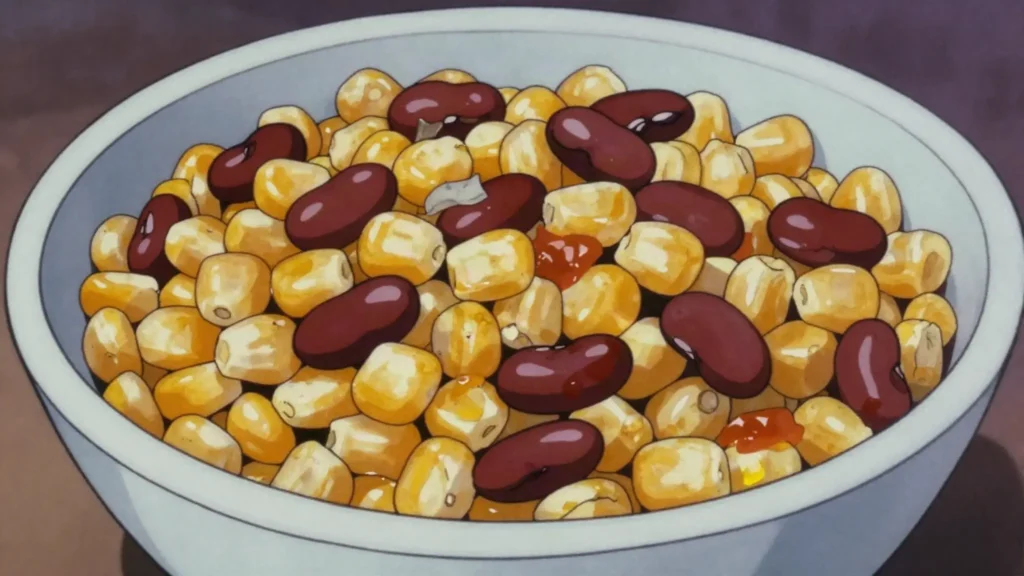
Githeri is a main from Kenya: boiled maize and beans, often fried with vegetables; Kikuyu staple. A dish combining boiled maize and beans, generally traced to the Kikuyu people of central Kenya, developed as a filling, protein-and-carbohydrate-balanced staple using two crops well suited to the region’s agricultural conditions, with maize itself only becoming widely established in East Africa after Portuguese trade introduced it along the coast beginning in the 1500s and 1600s, layered onto older bean cultivation in the region. Its simple preparation, boiling the two ingredients together, sometimes with added vegetables or meat depending on household means and occasion, made githeri an accessible everyday food across a wide range of economic circumstances. It remains closely associated with Kikuyu identity specifically while also being widely eaten and recognized as a staple dish across Kenya more broadly today.
How long does Githeri take to make?
Githeri takes 15 min plus overnight soaking of preparation and 2 hr of cooking. The recipe makes 6 servings. It is rated easy to make.
What can I substitute in Githeri?
Yes, within limits. Tinned kidney beans and tinned hominy, which reduce the whole thing to twenty minutes. Any firm bean, though rosecoco is what is used at home.
What is the most important thing to get right in Githeri?
Maize takes far longer than beans. Started together from cold, the beans collapse into mush long before the maize is chewable, and that is the single most common way githeri goes wrong.