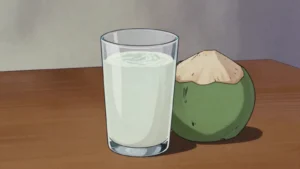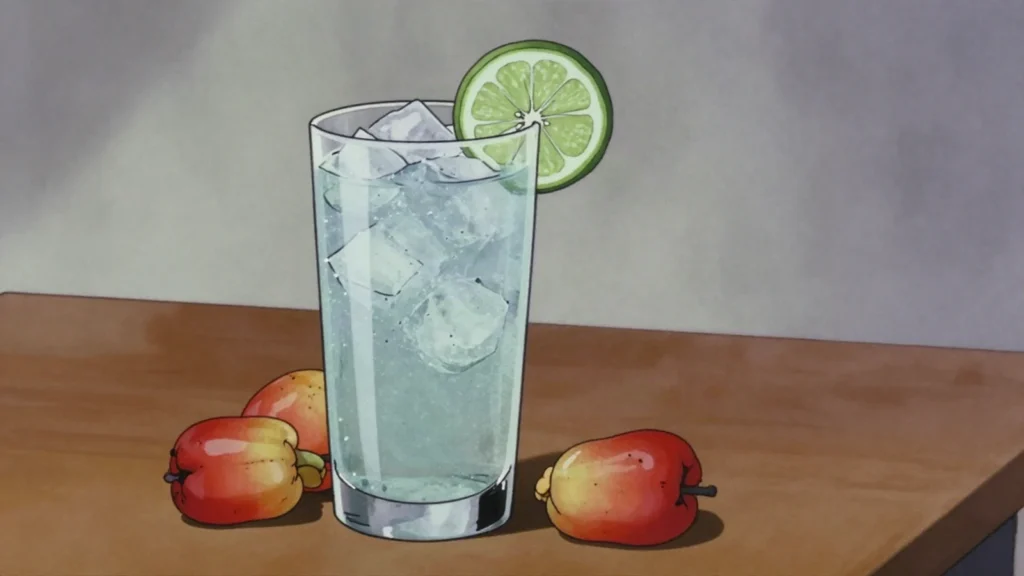

A Goan spirit triple-distilled from cashew apples or coconut toddy, drunk with lime and soda. Cashew trees came to Goa with the Portuguese in the sixteenth century, and feni received a geographical indication as a Goan heritage spirit in 2009.
Distilling is illegal without a licence, and feni is a geographical indication restricted to Goa and to a specific traditional method.
What goes into it
- cashew apples, or coconut palm toddy
- nothing else
How it is made
Cashew apples are trodden in a stone pit and the juice fermented for a few days, then distilled in a traditional pot still. The first distillation gives a weak spirit, the second a stronger one, and the third is what is bottled as feni; the earlier fractions are returned to the next run rather than discarded. Coconut feni is distilled the same way from fermented toddy.
How long it takes: days to ferment, then three distillations
How it is eaten
With lime, soda and a pinch of salt, or neat in small measures.
History
A distilled spirit made from either cashew apple or coconut sap, most strongly associated with the Indian state of Goa, reflecting the region’s history under Portuguese colonial rule from the early 1500s until 1961, considerably longer than British colonial rule lasted anywhere else in India, during which cashew, itself a South American crop introduced by the Portuguese, became widely cultivated in Goa and eventually distilled into this specific regional spirit. Its production remains largely small-scale and traditional, often made by local distillers using methods passed down across generations, and feni received Indian geographical indication status recognizing its specific Goan origin. It remains closely tied to Goan cultural identity, considered by many the state’s defining traditional alcoholic beverage.
Frequently asked questions
What is Feni?
Feni is a wine & spirit from India: goan spirit triple-distilled from cashew apples or coconut toddy, drunk with lime soda. A distilled spirit made from either cashew apple or coconut sap, most strongly associated with the Indian state of Goa, reflecting the region’s history under Portuguese colonial rule from the early 1500s until 1961, considerably longer than British colonial rule lasted anywhere else in India, during which cashew, itself a South American crop introduced by the Portuguese, became widely cultivated in Goa and eventually distilled into this specific regional spirit. Its production remains largely small-scale and traditional, often made by local distillers using methods passed down across generations, and feni received Indian geographical indication status recognizing its specific Goan origin. It remains closely tied to Goan cultural identity, considered by many the state’s defining traditional alcoholic beverage.
How is Feni made?
Cashew apples are trodden in a stone pit and the juice fermented for a few days, then distilled in a traditional pot still. The first distillation gives a weak spirit, the second a stronger one, and the third is what is bottled as feni; the earlier fractions are returned to the next run rather than discarded. Coconut feni is distilled the same way from fermented toddy. It takes days to ferment, then three distillations.
Can I make Feni at home?
No, and the atlas gives no method for it. Distilling is illegal without a licence, and feni is a geographical indication restricted to Goa and to a specific traditional method.
What goes into Feni?
Cashew apples, or coconut palm toddy, nothing else.
How is Feni eaten?
With lime, soda and a pinch of salt, or neat in small measures.