
An indigenous Thracian red grape grown around Plovdiv and Asenovgrad, and the dark, tannic, long-lived wine made from it. It ripens late, keeps its acidity, and rewards years in bottle in a region that has made wine since Thracian antiquity.
Wine is grown rather than cooked: it depends on a vineyard, a vintage and licensed production, and there is no kitchen procedure to write.
What goes into it
- Mavrud grapes
- yeast
- oak, for the aged styles
How it is made
The grapes are picked late, crushed, and fermented on their skins for one to three weeks to draw out colour and tannin. The wine is pressed off, often matured in oak for a year or more, and then held in bottle, where its firm tannins soften slowly.
How long it takes: one vintage a year, then years in bottle
How it is eaten
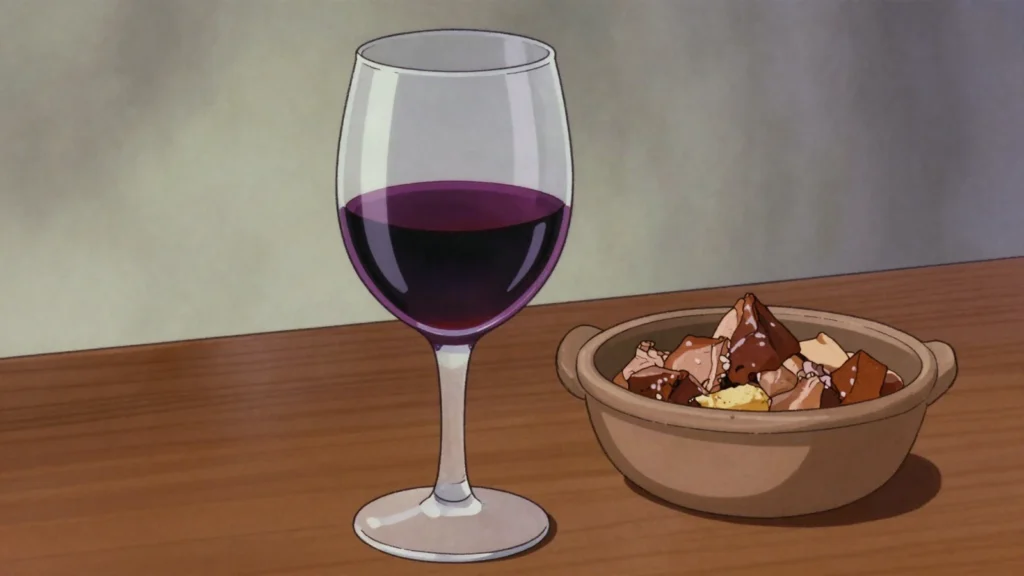
With grilled meat, kavarma and hard sheep’s cheese.
History
An indigenous Thracian grape grown around Plovdiv and Asenovgrad, in a region that has made wine since Thracian antiquity.
Frequently asked questions
What is Mavrud?
Mavrud is a wine & spirit from Bulgaria: dark native red grape from Thrace, tannic and long-lived. An indigenous Thracian grape grown around Plovdiv and Asenovgrad, in a region that has made wine since Thracian antiquity.
How is Mavrud made?
The grapes are picked late, crushed, and fermented on their skins for one to three weeks to draw out colour and tannin. The wine is pressed off, often matured in oak for a year or more, and then held in bottle, where its firm tannins soften slowly. It takes one vintage a year, then years in bottle.
Can I make Mavrud at home?
No, and the atlas gives no method for it. Wine is grown rather than cooked: it depends on a vineyard, a vintage and licensed production, and there is no kitchen procedure to write.
What goes into Mavrud?
Mavrud grapes, yeast, oak, for the aged styles.
How is Mavrud eaten?
With grilled meat, kavarma and hard sheep’s cheese.