Ingredients
The sauce
- 60 gflat-leaf parsley, leaves and fine stems, very finely chopped by hand
- 2 tbspdried oregano
- 8garlic cloves, minced
- 1 tbspají molido (Argentine mild chilli flakes), or 2 tsp chilli flakes
- 1 tspsweet pimentón, optional
- 2 tspcoarse salt
- ½ tspcoarsely ground black pepper
- 1bay leaf, crumbled
The liquid
- 120 mlred wine vinegar
- 100 mlwarm water
- 250 mlsunflower or light olive oil
Directions
- Chop the parsley by hand with a sharp knife until fine but still recognisably leaf. A food processor bruises it, releases chlorophyll and turns the sauce to a dull green paste.
- Rub the dried oregano between your palms into a bowl to wake up the oils, then add the ají molido, pimentón, salt, pepper and crumbled bay.
- Dissolve the salt and spices in the warm water first, stirring for a minute. This salmuera step distributes the seasoning evenly and is how parrilla cooks build the sauce.
- Stir in the vinegar and the minced garlic and leave for 10 minutes; the acid takes the raw bite off the garlic.
- Add the chopped parsley and stir, then pour in the oil in a steady stream while stirring. Chimichurri is a loose suspension, not an emulsion, so it will separate and should.
- Taste. It should be sharp, salty and herbaceous, with the vinegar clearly forward. Adjust with vinegar or oil, but resist the urge to make it smooth or mild.
- Cover and rest at room temperature at least 2 hours, or overnight in a cool place, so the dried herbs rehydrate and the flavours settle.
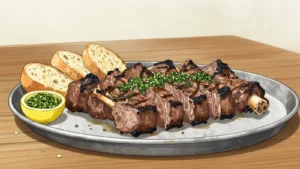
- Stir well before serving and spoon it over grilled food at the table, or set it out in a bowl. It keeps 2 weeks refrigerated; bring back to room temperature and stir before each use.
Technique
- In Argentina chimichurri is a table sauce, not a marinade. It is spooned onto food after grilling, and using it as a rub is a foreign habit that burns the herbs.
- Dried oregano, not fresh, is correct. It is the backbone of the flavour and fresh oregano gives a completely different, minty result.
- Coriander leaf does not belong in an Argentine chimichurri; that is a Uruguayan and Mexican-influenced variation.
- The sauce is better on day two. Made and used immediately it tastes raw and disjointed.
Substitutions
- No ají molido: chilli flakes plus an extra ½ tsp sweet pimentón give the nearest colour and mild heat.
- Red wine vinegar can be replaced with sherry vinegar; do not use balsamic, which is far too sweet.
- Sunflower oil is the everyday choice in Argentina and keeps the herbs forward; a grassy olive oil dominates the parsley.
Variations
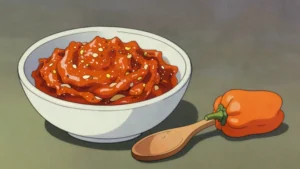
- Chimichurri rojo, heavier on pimentón and chilli, common in the north.
- Salsa criolla, the chunkier relative of diced tomato, onion and pepper in the same dressing.
- A Uruguayan version with fresh chilli and coriander leaf.
History
A sauce made from finely chopped parsley, garlic, oregano, vinegar and olive oil, documented across Argentina and neighboring Uruguay as an essential condiment for grilled meat, closely tied to the broader Argentine asado, or barbecue, tradition central to the country’s culinary identity. Its exact origin remains genuinely disputed, with several competing folk explanations offered for both its name and invention, though none is fully verified by historians, and the sauce’s core function, cutting through the richness of grilled beef with bright, herbaceous acidity, is well established regardless of the uncertain founding story. Chimichurri remains one of Argentina’s most internationally recognized culinary exports, closely associated with the country’s globally renowned beef and grilling tradition.
Frequently asked questions
What is Chimichurri?
Chimichurri is a sauce & condiment from Argentina: parsley, garlic, oregano and vinegar sauce for grilled meats. A sauce made from finely chopped parsley, garlic, oregano, vinegar and olive oil, documented across Argentina and neighboring Uruguay as an essential condiment for grilled meat, closely tied to the broader Argentine asado, or barbecue, tradition central to the country’s culinary identity. Its exact origin remains genuinely disputed, with several competing folk explanations offered for both its name and invention, though none is fully verified by historians, and the sauce’s core function, cutting through the richness of grilled beef with bright, herbaceous acidity, is well established regardless of the uncertain founding story. Chimichurri remains one of Argentina’s most internationally recognized culinary exports, closely associated with the country’s globally renowned beef and grilling tradition.
How long does Chimichurri take to make?
Chimichurri takes 20 min of preparation and none, plus 2 hr to 24 hr resting of cooking. The recipe makes about 400 ml. It is rated easy to make.
What can I substitute in Chimichurri?
Yes, within limits. No ají molido: chilli flakes plus an extra ½ tsp sweet pimentón give the nearest colour and mild heat. Red wine vinegar can be replaced with sherry vinegar; do not use balsamic, which is far too sweet. Sunflower oil is the everyday choice in Argentina and keeps the herbs forward; a grassy olive oil dominates the parsley.