
Ingredients
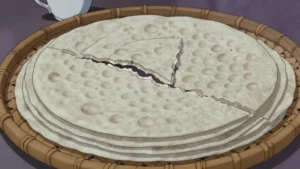
Kita flatbread
- 400 gplain flour
- 1 teaspoonsalt
- about 250 ml water
- a little oil, for the pan
To toss
- 150 gniter kibbeh, spiced clarified butter
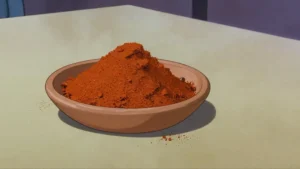
- 3 tablespoonsberbere
- or 2 tablespoons mitmita, for more heat
- 1/2 teaspoonsalt
To serve
- honey, optional
- plain yoghurt, optional
- fresh cheese, ayib, optional
- coffee
Directions
- Put the flour and salt in a bowl. Add the measured water in gradually. Bring it together into a firm dough. Knead it for about five minutes. It should be smooth but not soft.
- Let it rest for fifteen minutes. Divide the dough into four pieces. Roll each one out into a thin round. Take it down to about three millimetres. Heat a dry heavy pan over a medium heat. Lay a round on and cook it for two minutes. Brown spots should appear on the underside.
- Turn it and cook the other side. It should be cooked through and firm. Cool them completely on a rack. Warm bread tears into ragged mushy pieces. Cold bread breaks into clean small pieces.
- Let them cool for at least twenty minutes. Tear the cooled kita into small pieces. Aim for pieces about two centimetres across. Keep the pieces roughly even in size. Melt the niter kibbeh in a wide pan. Keep the heat low and very gentle. Never let clarified butter smoke.
- Add the berbere to the melted butter. Stir it through the butter thoroughly. Let it cook for about two minutes. That short cooking takes the raw edge off the spice. Add the torn bread to the spiced butter. Toss it thoroughly to coat every piece. Use two spoons or a wide spatula.
- Keep tossing it over a low heat. Give it about four full minutes. Add more butter if it looks dry. Chechebsa is genuinely rich and should look it. Season it with a little more salt. The pieces should be soft but still distinct.
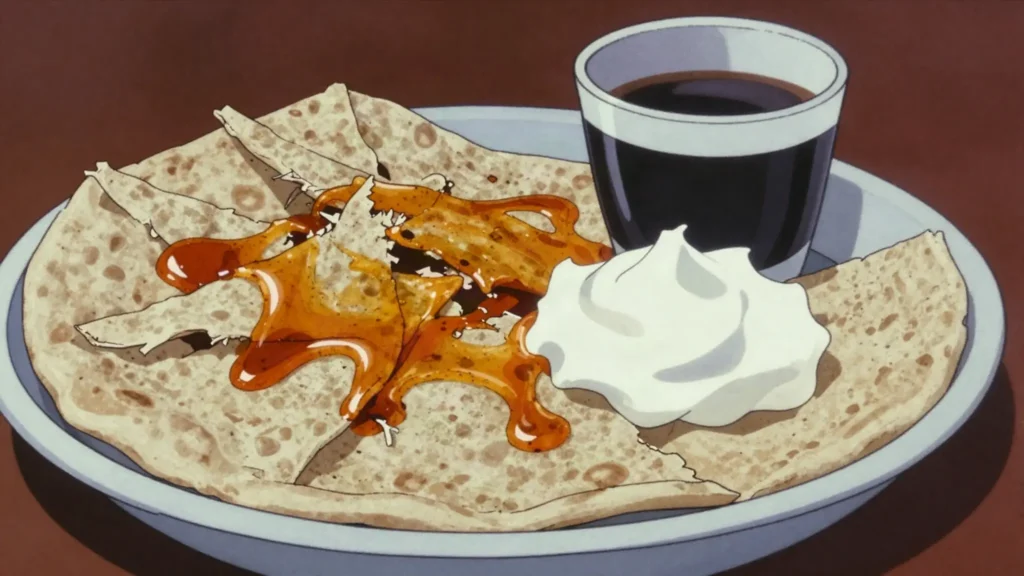
- Taste a piece and adjust the salt. It should be warm, spiced and buttery. Spoon it into a bowl or onto a plate. Drizzle honey over it if you want it. Serve yoghurt or fresh cheese alongside. It goes dry and heavy as it cools.
Technique
- Firfir means torn or shredded bread, and kita firfir uses plain unleavened kita rather than the sour teff injera used in injera firfir.
- Niter kibbeh is clarified butter slowly infused with ginger, garlic, cardamom, fenugreek and Ethiopian herbs, and is the backbone of the country’s cooking.
Substitutions
- Plain ghee stands in for niter kibbeh, though it lacks all the spice infusion.
- Any plain unleavened flatbread can be torn up in place of homemade kita.
Variations
- Some households add honey and some keep it entirely savoury.
- Mitmita is used in place of berbere for a considerably hotter dish.
- Injera firfir, made with sour teff flatbread, is the better known relative.
History
Torn pieces of flatbread, tossed with spiced butter and berbere, developed in Ethiopian home cooking as a way to use leftover or day-old flatbread rather than let it go to waste, similar in underlying logic to firfir’s use of stale injera, though chechebsa is traditionally made with a plainer wheat flatbread called kita rather than the fermented teff injera used in firfir. Its preparation, tearing the bread into small pieces and coating each piece thoroughly in the spiced butter mixture, is considered essential to properly distributing the flavour throughout the dish rather than leaving some pieces plain. Chechebsa is especially closely associated with breakfast across Ethiopia, valued as a filling, energy-dense way to start the day, particularly in the country’s cooler highland regions.
Frequently asked questions
What is Chechebsa?
Chechebsa is a breakfast from Ethiopia: shredded flatbread fried with berbere and clarified butter, honey optional. Torn pieces of flatbread, tossed with spiced butter and berbere, developed in Ethiopian home cooking as a way to use leftover or day-old flatbread rather than let it go to waste, similar in underlying logic to firfir’s use of stale injera, though chechebsa is traditionally made with a plainer wheat flatbread called kita rather than the fermented teff injera used in firfir. Its preparation, tearing the bread into small pieces and coating each piece thoroughly in the spiced butter mixture, is considered essential to properly distributing the flavour throughout the dish rather than leaving some pieces plain. Chechebsa is especially closely associated with breakfast across Ethiopia, valued as a filling, energy-dense way to start the day, particularly in the country’s cooler highland regions.
How long does Chechebsa take to make?
Chechebsa takes 30 minutes of preparation and 20 minutes of cooking. The recipe makes serves 4. It is rated medium to make.
What can I substitute in Chechebsa?
Yes, within limits. Plain ghee stands in for niter kibbeh, though it lacks all the spice infusion. Any plain unleavened flatbread can be torn up in place of homemade kita.
What is the most important thing to get right in Chechebsa?
Let them cool for at least twenty minutes. Tear the cooled kita into small pieces. Aim for pieces about two centimetres across. Keep the pieces roughly even in size. Melt the niter kibbeh in a wide pan. Keep the heat low and very gentle. Never let clarified butter smoke.