
Double-distilled grape brandy from the Charente, aged in Limousin oak and drunk after dinner. Dutch traders burned Charente wine into brandewijn so it would survive shipping; the appellation was delimited in 1909 and the grades run from VS to XO.
Distilling is illegal without a licence, and the whole product is defined by an appellation, a still shape fixed by law, and years in a specific cellar.
What goes into it
- Ugni Blanc grapes, mostly
- yeast
- Limousin or Tronçais oak
How it is made
A thin, sharp, low-alcohol white wine is made — deliberately poor as wine, ideal as a base — and distilled twice in a copper Charentais pot still. The second distillation is cut carefully to keep only the heart. The spirit then ages in oak for years in cellars near the Charente, where the humidity governs how much water and alcohol evaporate; the part that evaporates is called the angels’ share.
How long it takes: two years minimum by law, and decades for the oldest
How it is eaten
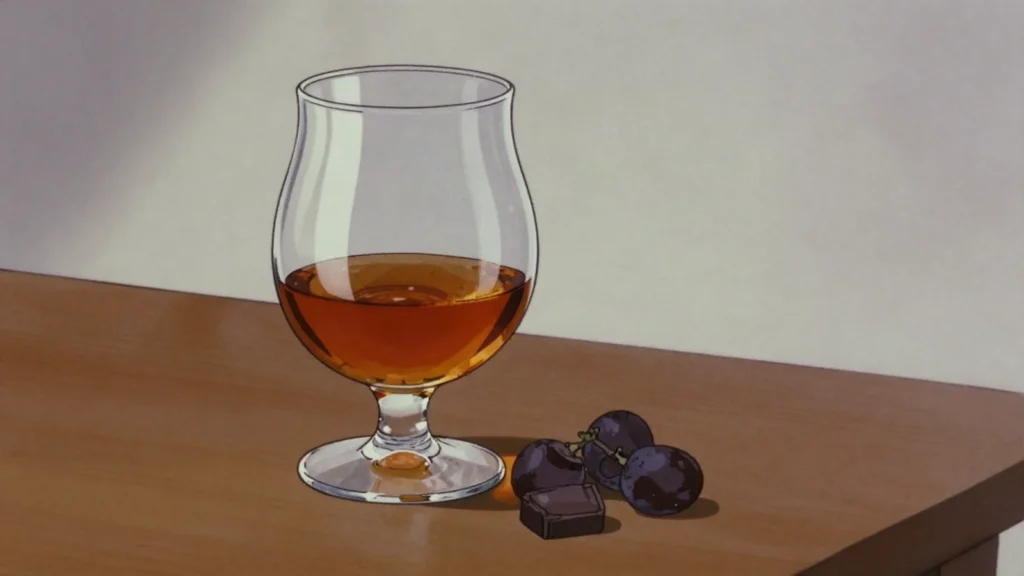
In a tulip glass after dinner, or in a sidecar.
History
Dutch traders burned Charente wine into brandewijn for shipping; the appellation was delimited in 1909 and grades run from VS to XO.
Frequently asked questions
What is Cognac?
Cognac is a wine & spirit from France: double-distilled grape brandy aged in Limousin oak, drunk after dinner. Dutch traders burned Charente wine into brandewijn for shipping; the appellation was delimited in 1909 and grades run from VS to XO.
How is Cognac made?
A thin, sharp, low-alcohol white wine is made — deliberately poor as wine, ideal as a base — and distilled twice in a copper Charentais pot still. The second distillation is cut carefully to keep only the heart. The spirit then ages in oak for years in cellars near the Charente, where the humidity governs how much water and alcohol evaporate; the part that evaporates is called the angels’ share. It takes two years minimum by law, and decades for the oldest.
Can I make Cognac at home?
No, and the atlas gives no method for it. Distilling is illegal without a licence, and the whole product is defined by an appellation, a still shape fixed by law, and years in a specific cellar.
What goes into Cognac?
Ugni Blanc grapes, mostly, yeast, limousin or Tronçais oak.
How is Cognac eaten?
In a tulip glass after dinner, or in a sidecar.