
Ingredients
What goes into it (industrial process, not a home recipe)
- white grapes from the Ararat valley: Voskehat, Mskhali, Garan Dmak, Kangun and Chilar, hand-picked at moderate ripeness
- no added sugar or yeast nutrient in the traditional method; the wine ferments dry to about 8 to 10 per cent
- spring water from the Katnaghbyur and Ararat valley sources, used to bring the spirit down to strength
- barrels of Caucasian oak, Quercus iberica, from Artsakh and Syunik forests
The serve
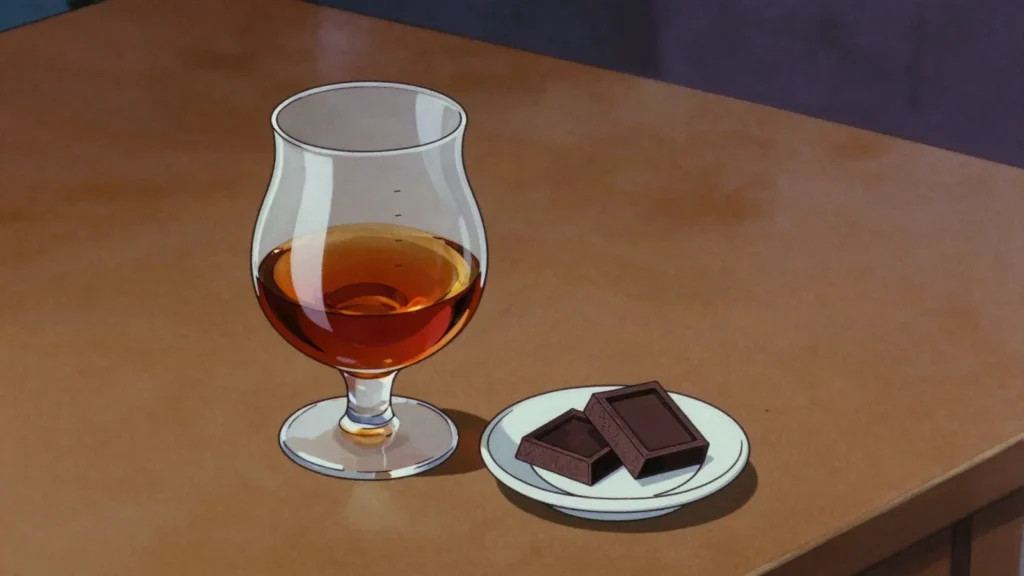
- 50 mlArmenian brandy of 5 years or older
- a tulip glass or a small snifter
- no ice, no mixer
Traditional accompaniment
- a square of dark chocolate, dried fruit or nothing at all
- a toast, since Armenian brandy is drunk with words rather than alone
Directions
- The grapes are pressed and fermented dry with no sulphur and no chaptalisation, giving a thin, high-acid base wine of around 8 to 10 per cent that would be unpleasant to drink on its own; that acidity is what protects the wine before distillation.
- The wine is double-distilled in copper pot stills of the Charentais type, exactly as in Cognac, the first pass giving a rough low wine of about 25 to 30 per cent.
- The second distillation is cut into three: the heads and the tails are discarded or redistilled, and only the heart, drawn at roughly 62 to 70 per cent alcohol, becomes brandy. Those cuts are the single biggest quality decision in the process.
- The clear spirit goes into Caucasian oak barrels, which are more tannic and more vanillic than French Limousin oak and give Armenian brandy its darker, sweeter-smelling profile.
- It rests in cool cellars for a legal minimum of 3 years, and for 10, 20 or more for the aged expressions, losing a few per cent a year to evaporation.
- Before bottling, the brandy is blended across barrels and reduced with soft spring water, sometimes over months so the water and spirit marry rather than taste watered.
- To serve, pour 50 ml into a tulip glass at room temperature and warm it in the hand, never over a flame; the heat drives off the aromatics you want.
- Sip it slowly with a toast, which in Armenia is expected to be a short speech; the drink is a social object as much as a spirit.
Technique
- This cannot be made at home. Distilling spirits without a licence is illegal in most countries, and the copper pot still, the cuts and the oak are the whole product. Buy a bottle and treat this as a tasting and serving guide.
- The Churchill story is real in outline: at the Yalta conference in 1945 Stalin gave Churchill Armenian brandy, and Churchill is reported to have received cases of Dvin, the 50 per cent old brandy, annually thereafter. The often-repeated detail that he had a demoted master blender reinstated is folklore.
- Since the 1990s Armenian producers may no longer call it cognac on export markets, though the word konyak is still used everywhere inside Armenia.
- Age statements here mean the youngest brandy in the blend, as in Cognac. A 10-year bottling may contain considerably older spirit.
Substitutions
- If you cannot find ArArAt or Noy, a VSOP Cognac is the nearest match in method though drier and more floral; a Georgian or Moldovan brandy is closer in style and sweetness.
Variations
- Dvin, at 50 per cent and at least 10 years old, is the historic strong bottling; Nairi at 20 years is the flagship aged expression.
- In Yerevan cafes younger brandy is sometimes served long with soda and a slice of lemon in summer, a serve traditionalists dislike.
History
Distilled in Yerevan since Nerses Tairyan built the first factory in 1887; Shustov’s brandy took top honours in Paris in 1900.
Frequently asked questions
What is Armenian brandy?
Armenian brandy is a wine & spirit from Armenia: oak-aged grape brandy from the Ararat valley, famously favored by Churchill. Distilled in Yerevan since Nerses Tairyan built the first factory in 1887; Shustov’s brandy took top honours in Paris in 1900.
How long does Armenian brandy take to make?
Armenian brandy takes 3 min to pour of preparation and 3 to 20 or more years in oak of cooking. The recipe makes 1 serving (production notes describe a distillery process). It is rated easy to make.
What can I substitute in Armenian brandy?
Yes, within limits. If you cannot find ArArAt or Noy, a VSOP Cognac is the nearest match in method though drier and more floral; a Georgian or Moldovan brandy is closer in style and sweetness.
What is the most important thing to get right in Armenian brandy?
Before bottling, the brandy is blended across barrels and reduced with soft spring water, sometimes over months so the water and spirit marry rather than taste watered.