
Ingredients
Fruit
- 12ripe zaban pods, Saba senegalensis
- 1 litrecold clean water
To sweeten and flavour
- 150 gsugar, or to taste
- a pinch of salt
- 1 teaspoonvanilla, optional
- a squeeze of lime, optional
To serve
- ice
- or small plastic bags, as vendors sell it
Directions
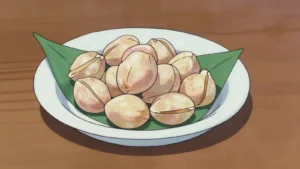
- Wait for the pods to ripen properly. Overripe pods smell fermented and should be discarded. Crack it against a hard surface or cut it open. A short knife works but takes care. Take a few seeds into your mouth. Do not swallow or chew the seeds.
- Salt or sugar is sometimes sprinkled over them. Making the juice needs a little more work. Scoop all the pulp-covered seeds into a large bowl.
- Pour over about half the cold water. Let them soak for twenty minutes. Rub the seeds between your palms in the water.
- Keep working until the seeds feel smooth and bare. This takes about five minutes of steady rubbing. Pour the whole mixture through a sieve. Press the pulp through with the back of a ladle.
- Rinse the seeds with the remaining water. Add that rinsing water to the juice. Discard all the seeds afterwards. Strain it a second time for a smoother drink. Stir in the sugar until it has fully dissolved.
- Add a pinch of salt, which lifts the fruit flavour. Taste it and add more sugar if needed. It should be sharply sour but drinkable. Add vanilla or lime if you want them. Use clean drinking water for the juice. Serving it is done extremely cold.
- Chill the juice for at least two hours. Pour it over ice into tall glasses. Keep the juice refrigerated and drink it within two days. It ferments quickly in warm weather.
Technique
- Saba senegalensis is a wild climbing vine of the West African savanna and is gathered rather than farmed in most places.
- The fruit is important seasonal income for rural gatherers, particularly women, across Mali, Senegal and Burkina Faso.
Substitutions
- Frozen zaban pulp is sold in African shops in Europe and works directly.
- Tamarind gives a broadly similar sourness where zaban is unavailable, though the aroma is quite different.
Variations
- Some vendors blend the juice with baobab or with ginger.
- In Senegal madd is often made into a thicker drink with more sugar.
- The pulp is also cooked into jams and sauces.
History
Saba senegalensis grows wild in the bush and is gathered in the rainy season; the tart pods are sold in heaps at roadsides and markets.
Frequently asked questions
What is Zaban?
Zaban is a snack from Mali: sour wild saba fruit sucked from the pod or blended into juice. Saba senegalensis grows wild in the bush and is gathered in the rainy season; the tart pods are sold in heaps at roadsides and markets.
How long does Zaban take to make?
Zaban takes 30 minutes of preparation and none of cooking. The recipe makes about 1.5 litres of juice. It is rated easy to make.
What can I substitute in Zaban?
Yes, within limits. Frozen zaban pulp is sold in African shops in Europe and works directly. Tamarind gives a broadly similar sourness where zaban is unavailable, though the aroma is quite different.
What is the most important thing to get right in Zaban?
Wait for the pods to ripen properly. Overripe pods smell fermented and should be discarded. Crack it against a hard surface or cut it open. A short knife works but takes care. Take a few seeds into your mouth. Do not swallow or chew the seeds.