
Ingredients
The dough
- 600 gstrong bread flour
- or half wheat and half semolina
- 7 gdried yeast
- about 400 ml warm water
- 2 teaspoonssalt
- 1 tablespoonolive oil
Sometimes added
- 1 teaspoonsugar
- to feed the yeast
- a handful of bran
- for a coarser loaf
To bake
- a tabouna oven
- traditionally
- or a very hot oven
- with a baking stone
- or a heavy cast iron pan
To serve
- warm from the oven
- with olive oil
- harissa
- or olives and cheese
Directions
- Use proper oven gloves and a peel. Never reach in with bare hands at all. Steam from the dough burns badly too. Warm the water until it is just lukewarm. It should feel barely warm on your wrist.
- Stir the yeast into the warm water. Add a teaspoon of sugar if you like. Leave it about ten minutes to froth. Put the flour and salt in a large bowl. Mix the salt through the flour first. Salt kills yeast on direct prolonged contact. Pour the yeast water into the well. Add the olive oil at the same time.
- Bring the flour in from the edges gradually. It comes together as a very wet dough. Work with the sticky dough as it is. Wet your hands to handle it properly. Knead the wet dough for about ten minutes. Wet dough cannot be kneaded conventionally. Use a stretch and fold method instead. Wet your hands, lift the dough and fold it over.
- Repeat that across the bowl repeatedly. Lift one edge and stretch it upward. Fold it over into the centre of the dough. Turn the bowl and repeat all the way round. That change takes about ten minutes of work. Cover the bowl and let the dough rise. Give it about ninety minutes in a warm place.
- Divide the risen dough into six pieces. Use a scraper and wet hands to divide it. Handle it gently to keep the air in it. Shape each piece into a rough round. Work on a well floured surface. Do not work it hard or it deflates.
- Let the shaped rounds rest for thirty minutes. Cover them with a cloth as they rest. Do not skip that second rise at all. Heat the oven and stone as hot as it goes. Most home ovens reach about two hundred and fifty degrees. Heat the stone for at least forty-five minutes. A cold stone gives a pale flat bread.
- Flatten each round into a disc by hand. Press it out with your fingertips. Work from the centre toward the edge. Leave the rim slightly thicker. Aim for about one centimetre thick. Press dimples across the surface with your fingers. It also stops it doming in the oven.
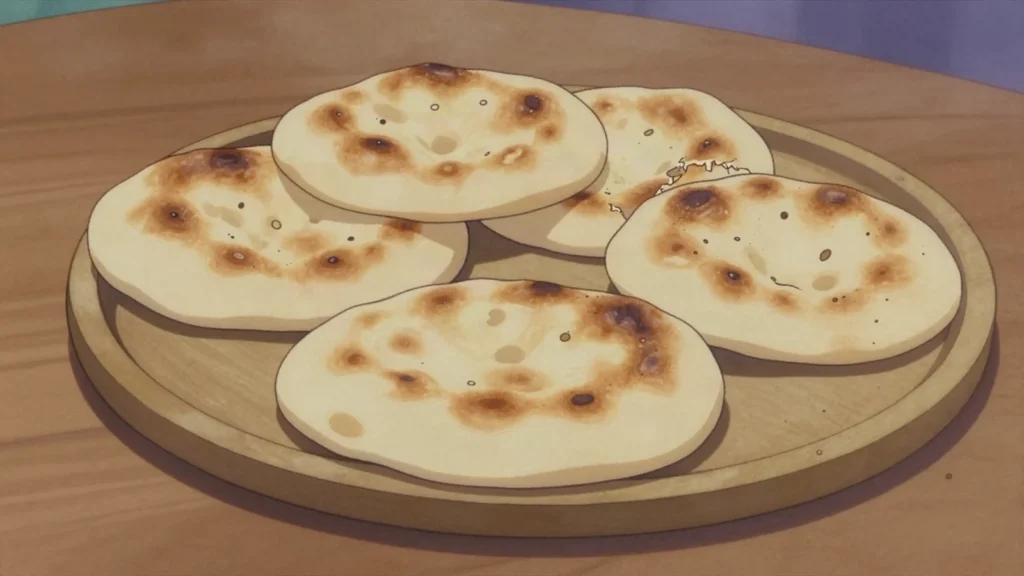
- Press firmly rather than lightly. Do not use a rolling pin on this dough. Use a floured peel or a flat tray. Work quickly to keep the oven heat in. Bake only two of them at a time at most. Give them about eight minutes in total. Turn them once if the oven is uneven. Steam inside the dough forces it apart. They should be golden with dark blistered spots.
- Wrap the hot breads in a clean cloth. That traps steam and keeps them soft. Stack them together in the cloth. They stay soft for hours that way. Serve the bread warm rather than cold. It is at its best within an hour of baking. Warm it briefly to soften it again.
Technique
- A tabouna oven reaches very high temperatures and reaching inside to slap dough onto the wall is genuinely dangerous, with real risk of arm burns. Traditional bakers work fast and confidently from long experience — do not attempt it without proper guidance. In a home oven, a stone at maximum heat is very hot too: use oven gloves and a peel, never reach in bare-handed, and beware the steam.
- This is a genuinely wet dough, about two thirds water to flour, and that hydration is intended rather than a fault — it gives the open crumb and is what makes it stick to a clay wall. Do not add extra flour to firm it up, which gives a dense heavy bread; wet your hands and use a stretch-and-fold method instead of conventional kneading.
- Do not use a rolling pin: it crushes the bubbles you have built, where hands keep the air in the crumb, and the difference is genuinely noticeable. Press dimples across the surface with your fingers, which is characteristic and stops it doming.
Substitutions
- Half wheat flour and half semolina is common in Tunisian breads and gives a slightly grainy golden crumb; all wheat flour works perfectly well. A handful of bran gives a coarser loaf.
- A heavy cast iron pan or an upturned heavy baking tray replaces a baking stone, holding and radiating heat the same way. Most home ovens reach about 250°C, far below a clay oven but workable — the clay wall gives a distinctive char and chew a home oven cannot reproduce exactly, and the atlas records that honestly.
Variations
- The tabouna is a jar-shaped clay oven heated with wood or charcoal, with dough slapped onto the inside wall to bake against the clay — the same principle as an Indian tandoor and many Central Asian ovens, an ancient and widespread technique. The bread takes its name from the oven, and the tradition is strongest in southern Tunisia and rural households.
- Heat the stone for at least forty-five minutes at maximum, since a cold stone gives a pale flat bread. Bake two at a time at most and slide them on confidently to keep the heat in. They should come out golden with dark blistered spots, which are genuinely wanted for the flavour.
- Wrap the hot breads in a clean cloth as they come out: that traps steam and keeps them soft for hours, where uncovered they go leathery. Tear rather than cut them, since torn edges hold oil and dips better.
History
Baked by slapping dough onto the wall of a clay tabouna oven; the bread took the oven’s name and remains tied to rural and southern households.
Frequently asked questions
What is Tabouna?
Tabouna is a bread & pastry from Tunisia: chewy flatbread slapped onto the walls of a terracotta oven. Baked by slapping dough onto the wall of a clay tabouna oven; the bread took the oven’s name and remains tied to rural and southern households.
How long does Tabouna take to make?
Tabouna takes 30 minutes plus rising of preparation and 20 minutes of cooking. The recipe makes makes 6. It is rated hard to make.
What can I substitute in Tabouna?
Yes, within limits. Half wheat flour and half semolina is common in Tunisian breads and gives a slightly grainy golden crumb; all wheat flour works perfectly well. A handful of bran gives a coarser loaf. A heavy cast iron pan or an upturned heavy baking tray replaces a baking stone, holding and radiating heat the same way. Most home ovens reach about 250°C, far below a clay oven but workable — the clay wall gives a distinctive char and chew a home oven cannot reproduce exactly, and the atlas records that honestly.
What is the most important thing to get right in Tabouna?
Use proper oven gloves and a peel. Never reach in with bare hands at all. Steam from the dough burns badly too. Warm the water until it is just lukewarm. It should feel barely warm on your wrist.