
Ingredients
Mash bill (single pot still)
- 50percent malted barley
- 50percent unmalted green barley
- up to 5 percent other cereals, permitted but rarely used
- soft Irish water, low in minerals
Fermentation and maturation
- distiller’s yeast
- ex-bourbon American oak barrels (200 litres)
- ex-oloroso sherry butts, for a portion of the stock
To serve
- a tulip-shaped nosing glass or a heavy tumbler
- a few drops of still water at room temperature
- one large clear ice cube, if drinking it long
Directions
- Malt part of the barley by steeping, germinating and kiln-drying it. Irish malt is dried in closed kilns, so almost no peat smoke reaches the grain; this is the first divergence from most Scotch.
- Mill the malted and unmalted barley together and mash in hot water in stages at around 64°C (145°F), then 78°C (170°F), converting starch to fermentable sugar and drawing off the sweet wort.
- Ferment the wort with distiller’s yeast for 60–90 hours to a beer of about 8 percent alcohol, developing the fruity esters that mark Irish spirit.
- Distil three times in large copper pot stills: the wash still, the feints still and the spirit still. Triple distillation is the defining Irish practice and produces a lighter, smoother, higher-strength spirit.
- Cut the spirit run by hand, taking only the heart at roughly 80 percent alcohol and returning heads and tails to the next charge. The cut points decide the house character.
- Reduce to about 63 percent with water and fill into oak casks. By law the spirit must mature at least three years in wooden casks on the island of Ireland to be called Irish whiskey.
- Mature in a cool, damp warehouse where roughly 2 percent evaporates each year. The wood contributes vanilla, coconut and dried fruit and removes harshness.
- Marry casks, reduce to bottling strength of 40 percent or more with soft water, and bottle, with or without chill filtration.
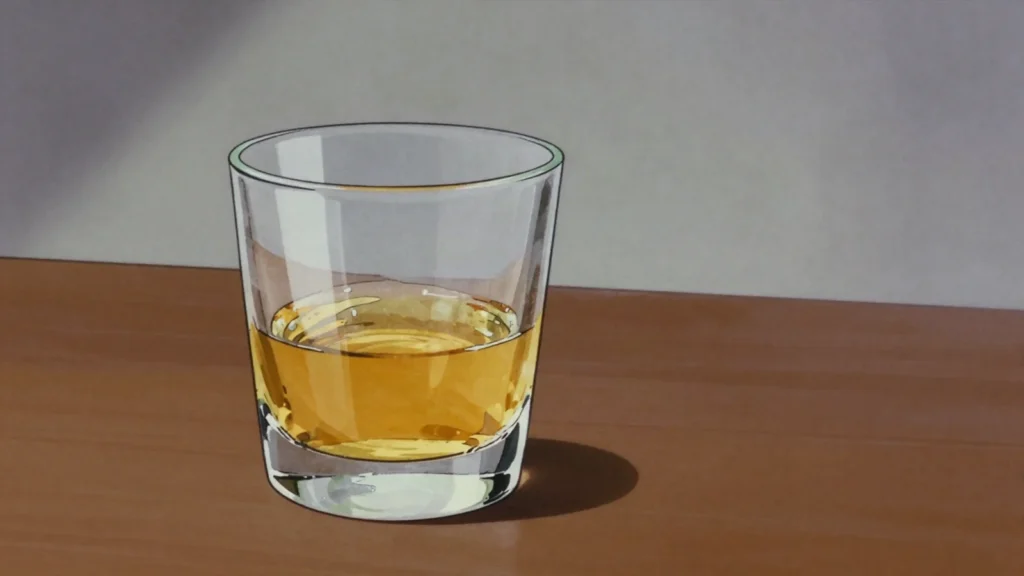
- Serve at room temperature in a tulip glass. Nose it first, then add two or three drops of water, which breaks the surface tension and releases the esters. Ice is acceptable in a tumbler but mutes the aroma.
Technique
- Single pot still whiskey, made from mixed malted and unmalted barley in a pot still at one distillery, is Ireland’s own category and exists nowhere else. The unmalted barley gives the characteristic creamy, spicy texture.
- Distilling spirits at home is illegal without a licence in Ireland and in most other countries, and badly cut homemade spirit can contain dangerous levels of methanol. This entry describes how the whiskey is actually produced, not a home project.
- Poitin, the traditional Irish farm spirit, was outlawed in 1661 and only licensed again in 1997; it is unaged and legally distinct from whiskey.
- Not all Irish whiskey is triple distilled and not all is unpeated. Cooley distils twice, and Connemara is peated.
Substitutions
- For an Irish coffee, use a robust blend rather than a delicate single pot still: 40 ml whiskey, 2 tsp brown sugar, hot strong coffee, and lightly whipped cream floated over the back of a spoon.
- If a recipe calls for Scotch and you have Irish whiskey, expect a lighter, sweeter, less smoky result.
Variations
- Single malt, single grain, single pot still and blended are the four legal Irish categories; blends make up most of what is sold.
- Cask finishes in port, madeira or stout barrels have become common in the last decade.
- Irish coffee, invented at Foynes in the 1940s, remains the classic served preparation.
History
Bushmills holds a licence to distil dating from 1608; the word comes from uisce beatha, and the 1980 Irish Whiskey Act protects the style.
Frequently asked questions
What is Irish whiskey?
Irish whiskey is a wine & spirit from Ireland: triple-distilled whiskey, often single pot still, drunk neat or with water. Bushmills holds a licence to distil dating from 1608; the word comes from uisce beatha, and the 1980 Irish Whiskey Act protects the style.
How long does Irish whiskey take to make?
Irish whiskey takes n/a, this is a distillery process of preparation and minimum 3 years in oak, typically 7 to 15 of cooking. The recipe makes one 700 ml bottle, from about 3 litres of new make. It is rated hard to make.
What can I substitute in Irish whiskey?
Yes, within limits. For an Irish coffee, use a robust blend rather than a delicate single pot still: 40 ml whiskey, 2 tsp brown sugar, hot strong coffee, and lightly whipped cream floated over the back of a spoon. If a recipe calls for Scotch and you have Irish whiskey, expect a lighter, sweeter, less smoky result.
What is the most important thing to get right in Irish whiskey?
Reduce to about 63 percent with water and fill into oak casks. By law the spirit must mature at least three years in wooden casks on the island of Ireland to be called Irish whiskey.