
Ingredients
Grist
- 3.6 kgpale ale malt
- 1 kgflaked (unmalted) barley
- 500 groasted barley, milled coarse
- 26 litresbrewing water, treated to about 200 ppm calcium and moderate carbonate
Hops and yeast
- 40 gEast Kent Goldings hops (5 percent alpha), at the start of the boil
- 10 gEast Kent Goldings, in the last 10 minutes
- 1 packetIrish ale yeast (Wyeast 1084 or equivalent), or 500 ml healthy starter
Dispense
- beer gas: 70 percent nitrogen, 30 percent carbon dioxide
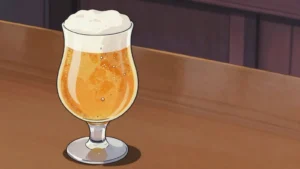
- a clean 20 oz tulip pint glass
Directions
- Mash the pale malt and flaked barley in 18 litres of water at 66°C (150°F) for 60 minutes. The high proportion of unmalted barley is what gives Irish stout its creamy body and lasting head.
- Add the roasted barley to the top of the mash for the final 10 minutes only, so it gives colour and dry coffee bitterness without harsh astringency.
- Sparge with water at 76°C (170°F) to collect about 23 litres of wort at roughly 1.042 original gravity.
- Boil for 60–90 minutes, adding the bittering hops at the start and the aroma addition in the last 10 minutes. Irish stout is bitter, around 40 IBU, but with almost no hop aroma.
- Chill the wort rapidly to 19°C (65°F), aerate well and pitch the Irish ale yeast.
- Ferment at 19–20°C (65–70°F) for 5–7 days until the gravity is stable near 1.010, which is about 4.2 percent alcohol by volume, then condition cold for a week.
- The commercial trick is blending: a portion of deliberately soured, aged beer is blended back into fresh beer, which is where the faint lactic tang of a Dublin pint comes from.
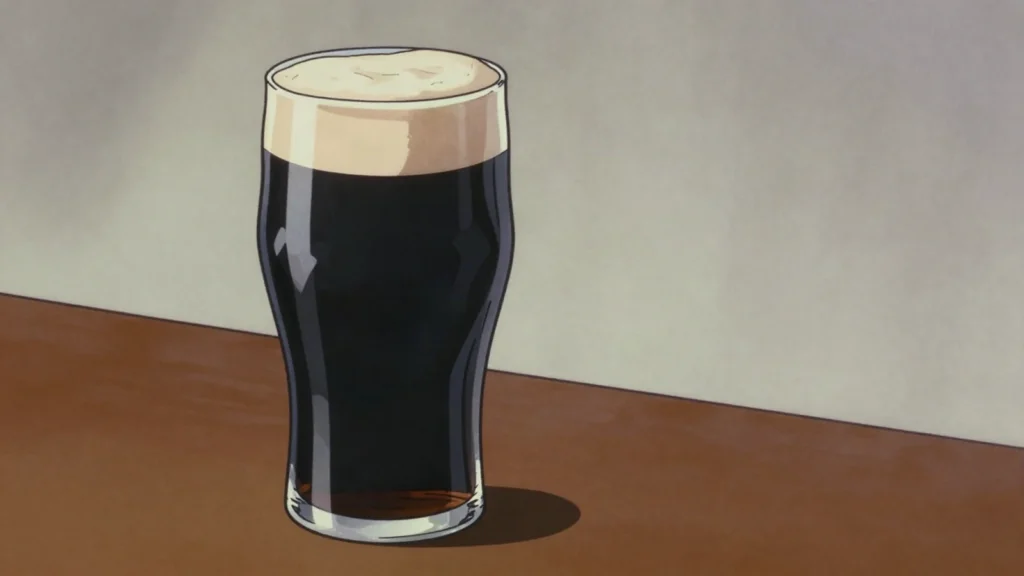
- Serve on beer gas at 6–8C. Pour into a tulip glass held at 45 degrees, fill to the harp on the glass, let it settle until the surge stops (about 120 seconds), then top up straight and proud above the rim.
- The head should be about 15 mm, ivory-coloured, tight enough to hold the mark of each mouthful down the glass.
Technique
- The famous cascade is a nitrogen effect, not magic: nitrogen is poorly soluble, so the beer forced through a restrictor plate in the tap forms tiny bubbles that create a downward current at the glass wall.
- Stout is not black. Held to the light a proper pint is deep ruby, from roasted barley rather than from any colouring.
- Roasted barley, unmalted, is the legal and stylistic marker separating Irish dry stout from English porter, which uses black malt.
- Guinness removed its long-standing animal-derived filtration aid in 2018, making the beer suitable for vegetarians and vegans; other Irish stouts vary, so check the brewer.
Substitutions
- No beer gas at home: bottle-condition it and accept a foamier, more carbonated pint. A nitro widget can be bought for kegs.
- Flaked barley can be replaced by flaked oats for a softer, rounder body, which makes it an oatmeal stout rather than a dry stout.
- East Kent Goldings can be swapped for Fuggles or Northern Brewer for the bittering charge.
Variations
- Foreign Extra Stout is the same beer brewed to 7.5 percent and hopped harder, originally for export and now the biggest-selling version in Africa.
- Murphy’s and Beamish, both from Cork, are softer, sweeter and less roasty than the Dublin style.
- Milk stout, sweetened with unfermentable lactose, and coffee stout are common modern Irish craft variants.
History
Arthur Guinness took a nine-thousand-year lease on St James’s Gate, Dublin, in 1759 and turned to porter brewing in the 1770s.
Frequently asked questions
What is Irish stout?
Irish stout is a wine & spirit from Ireland: dry black beer with creamy head; the classic Guinness pint. Arthur Guinness took a nine-thousand-year lease on St James’s Gate, Dublin, in 1759 and turned to porter brewing in the 1770s.
How long does Irish stout take to make?
Irish stout takes 1 hr of preparation and 6 hr brew day + 2 weeks fermenting and conditioning of cooking. The recipe makes 20 litres (about 35 pints). It is rated hard to make.
What can I substitute in Irish stout?
Yes, within limits. No beer gas at home: bottle-condition it and accept a foamier, more carbonated pint. A nitro widget can be bought for kegs. Flaked barley can be replaced by flaked oats for a softer, rounder body, which makes it an oatmeal stout rather than a dry stout. East Kent Goldings can be swapped for Fuggles or Northern Brewer for the bittering charge.
What is the most important thing to get right in Irish stout?
The head should be about 15 mm, ivory-coloured, tight enough to hold the mark of each mouthful down the glass.