
Ingredients
The baobab
- 300 gbaobab fruit pulp
- the dry white chunks
- broken from the pod
- or 150 g baobab powder
- already sieved
The liquid
- 2 litreswater
- boiled and cooled
- or filtered water
- warm water works faster
The sweetening
- 200 gsugar
- or to taste
- the pulp is genuinely sour
- or honey, stirred in cold
Sometimes added
- a pinch of salt
- half a teaspoon vanilla
- a little grated nutmeg
- 200 mlmilk
- for a creamier drink
- ice, to serve
Equipment
- a large bowl
- a fine sieve
- clean bottles or a jug
Directions
- Crack it with a stone or a hammer. Keep your face away from it. Break the chunks away from the fibres. Discard the fibres and the shell.
- Put the pulp in a large bowl. Pour warm water over it. Warm water dissolves it faster than cold. Do not use boiling water. Heat degrades the vitamin C. Leave it for at least four hours. Stir it occasionally.
- Soak it in the refrigerator in warm weather. Left warm for many hours, it can begin to ferment. Rub the softened pulp between your fingers. Work it against the sides of the bowl. Keep working until the seeds feel clean. Pour it through a fine sieve into a jug.
- Press the solids with the back of a spoon. Return the seeds and fibre to the bowl. Add a little more water and work them again. Strain that into the jug too. Discard the seeds after straining.
- Whisk the powder into water directly. Whisk hard to avoid lumps. Let it stand thirty minutes to hydrate fully. Then strain it if you want it smooth. Add it gradually and taste as you go. Stir until every grain dissolves. Dissolve it in warm water first if it resists.
- Adjust it to your own taste. Many households add it and many do not. Add the milk to the sweetened drink, not the reverse. Add it cold and stir it in gradually. It should be slightly creamy and opaque.
- Add less water for a thicker drink. Pour it into clean bottles or a jug. Refrigerate it for at least three hours. Keep it refrigerated at all times. Use clean bottles and clean utensils. Discard it if it fizzes or smells fermented. Serve it very cold over ice. Stir or shake it before pouring. It is a hot-weather drink above all.
Technique
- Work the softened pulp hard with your fingers against the sides of the bowl until the seeds feel clean. That hand work is the whole technique and a spoon does it far less well.
- Do a second extraction: return the seeds and fibre, add more water, work them again and strain into the jug. It yields a useful amount more.
- Use warm water rather than boiling. Warm dissolves the pulp faster than cold, and boiling degrades the vitamin C the fruit is notable for.
- Soak it in the refrigerator in warm weather. Left warm for many hours it begins to ferment, which is not what this recipe intends.
- Keep it clearly tart. Baobab needs a lot of sugar but the sourness is its character, and a drink that tastes only sweet has missed it. A pinch of salt sharpens both.
- Baobab is acidic enough to curdle milk. If you make the creamy version, add cold milk to the sweetened drink rather than the other way round, stir it in gradually, and drink it soon after.
- Crack the pod inside a bag or wrapped in a cloth. Pieces of the hard woody shell fly when it breaks.
- Baobab powder, sold by health food shops and African grocers, skips the soaking and separation entirely — whisk it into water, let it hydrate thirty minutes and strain if you want it smooth.
- This is unpasteurised and never heated, so it is not preserved. Keep it refrigerated, use clean bottles, drink it within three days, and discard it if it fizzes or smells fermented.
- The pulp dries on the tree and needs no processing to preserve it — essentially freeze-dried by the climate — which is exactly why it matters in a dry region. Almost every part of the baobab is used: bark for rope, leaves as a vegetable, seeds for oil, trunk to store water.
- The atlas holds a separate entry for aradeib, the tamarind drink, which does the same job in the same heat. Karkade, from dried hibiscus, is the third of that family across the Sahel.
Substitutions
- Baobab powder replaces whole pulp and removes the soaking and separation.
- Honey replaces sugar; stir it in cold so its aroma survives.
- Milk added to the sweetened drink makes the creamier Senegalese-style version.
- Vanilla or a little nutmeg round off the sourness and are used in some places.
- Less water gives a thicker, more milkshake-like drink.
- Tamarind or hibiscus make the region’s other two great sour cold drinks by a similar method.
Variations
- Bouye in Senegal is the same drink, usually made with milk and vanilla.
- Aradeib, the tamarind drink, is the other great sour cold drink of Sudan and South Sudan.
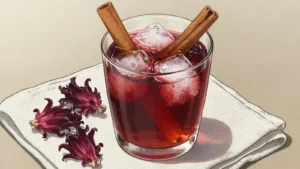
- Karkade, from dried hibiscus, is deep red and equally tart.
- A thicker version blended with milk and ice is sold as a smoothie in West African cities.
- Baobab leaves are cooked as a vegetable and used to thicken sauces across the Sahel.
- Roasted baobab seeds are eaten as a snack in some places.
History
The powdery pulp of the tabaldi baobab is soaked and strained; the trees are protected in Kordofan, where hollow trunks also store rainwater.
Frequently asked questions
What is Gongolez?
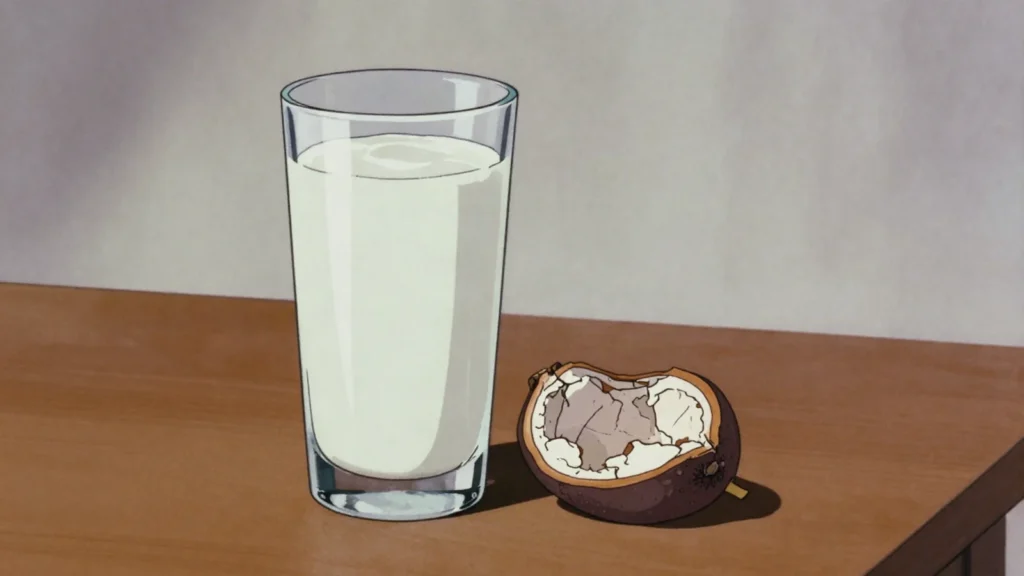
Gongolez is a drink from South Sudan: baobab fruit pulp soaked in water and sweetened into a chalky white drink. The powdery pulp of the tabaldi baobab is soaked and strained; the trees are protected in Kordofan, where hollow trunks also store rainwater.
How long does Gongolez take to make?
Gongolez takes 20 minutes plus 4 hours soaking of preparation and none of cooking. The recipe makes makes about 2 litres. It is rated easy to make.
What can I substitute in Gongolez?
Yes, within limits. Baobab powder replaces whole pulp and removes the soaking and separation. Honey replaces sugar; stir it in cold so its aroma survives. Milk added to the sweetened drink makes the creamier Senegalese-style version. Vanilla or a little nutmeg round off the sourness and are used in some places. Less water gives a thicker, more milkshake-like drink. Tamarind or hibiscus make the region’s other two great sour cold drinks by a similar method.
What is the most important thing to get right in Gongolez?
Put the pulp in a large bowl. Pour warm water over it. Warm water dissolves it faster than cold. Do not use boiling water. Heat degrades the vitamin C. Leave it for at least four hours. Stir it occasionally.