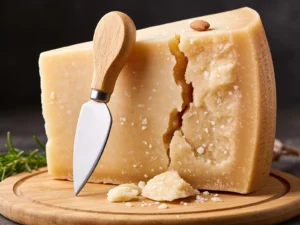

A Sardinian pecorino deliberately left to the cheese fly Piophila casei, whose larvae digest the fat and turn the paste soft and weeping. EU hygiene rules bar its sale, so it circulates informally between people who know each other.
Sale is illegal under EU hygiene regulation, and the larvae can survive stomach acid and cause intestinal myiasis. The atlas documents that this exists; it does not tell anyone how to make it.
What goes into it
- a young pecorino sardo
- the cheese fly, Piophila casei, allowed in
How it is made
The top of a young pecorino is cut open and the cheese is left outdoors where cheese flies can lay in it. The larvae hatch and tunnel through the paste, and their digestion breaks the fats down into something soft and acrid. It is eaten with the larvae still alive; they can jump some distance when disturbed.
How long it takes: two to three months of larval activity
How it is eaten
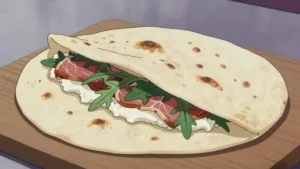
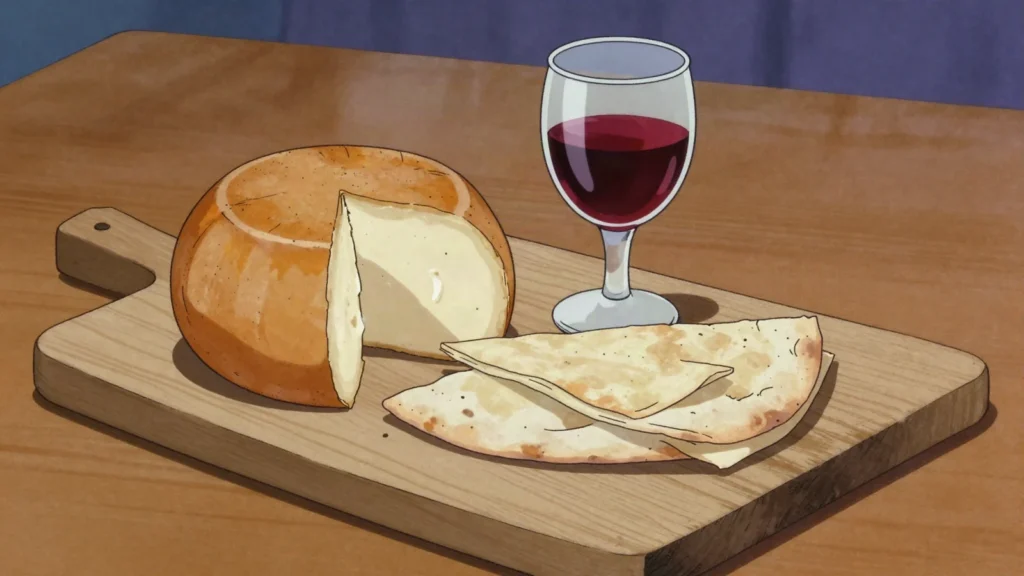
Spread on pane carasau with a strong red wine, traditionally with the eyes shielded.
History
A Sardinian pecorino left to the fly Piophila casei, whose larvae digest the fat; EU hygiene rules bar its sale, so it circulates informally.
Frequently asked questions
What is Casu marzu?
Casu marzu is a cheese & dairy from Italy: sardinian sheep cheese deliberately colonised by live cheese-fly larvae. A Sardinian pecorino left to the fly Piophila casei, whose larvae digest the fat; EU hygiene rules bar its sale, so it circulates informally.
How is Casu marzu made?
The top of a young pecorino is cut open and the cheese is left outdoors where cheese flies can lay in it. The larvae hatch and tunnel through the paste, and their digestion breaks the fats down into something soft and acrid. It is eaten with the larvae still alive; they can jump some distance when disturbed. It takes two to three months of larval activity.
Can I make Casu marzu at home?
No, and the atlas gives no method for it. Sale is illegal under EU hygiene regulation, and the larvae can survive stomach acid and cause intestinal myiasis. The atlas documents that this exists; it does not tell anyone how to make it.
What goes into Casu marzu?
A young pecorino sardo, the cheese fly, Piophila casei, allowed in.
How is Casu marzu eaten?
Spread on pane carasau with a strong red wine, traditionally with the eyes shielded.