
Ingredients
Dough
- 400 gfine rice flour
- about 350 ml boiling water
- 1/2 teaspoonsalt
Chaku filling
- 300 gchaku, molasses toffee
- or 300 g dark molasses cooked to a chewy paste
- 100 gsesame seeds, toasted and roughly ground
- 50 ggrated coconut, optional
- 1/2 teaspoonground cardamom
Alternative filling
- 300 gkhuwa, reduced milk solids
- 80 gsugar
- chopped nuts
Equipment
- a steamer
- banana leaf or a greased steamer liner
Directions
- Put the rice flour and salt into a bowl. Bring the water to a full rolling boil. Pour about three quarters of it over the flour. Stir it hard with a wooden spoon. It will be far too hot to touch at first. Keep stirring until it comes together into a mass. Add more boiling water if it is still crumbly.
- Let it sit for five minutes to cool a little. Kneading it takes real effort. Turn the hot dough onto a clean surface. Knead it while it is as hot as you can bear. Wet your hands in cold water if it burns.
- Knead it for a full ten minutes. It should become smooth, soft and pliable. Add a splash of hot water if it does crack. Cover it with a damp cloth at all times. Rice dough dries out within minutes in open air.
- Chop or grate it into small pieces. Toast the sesame seeds in a dry pan. Shake the pan constantly for two minutes. They burn very quickly if left alone. Grind them roughly in a mortar. Mix the chaku, sesame and cardamom together. Add grated coconut if you want it. The filling should hold together when squeezed. Take a piece of dough the size of a walnut.
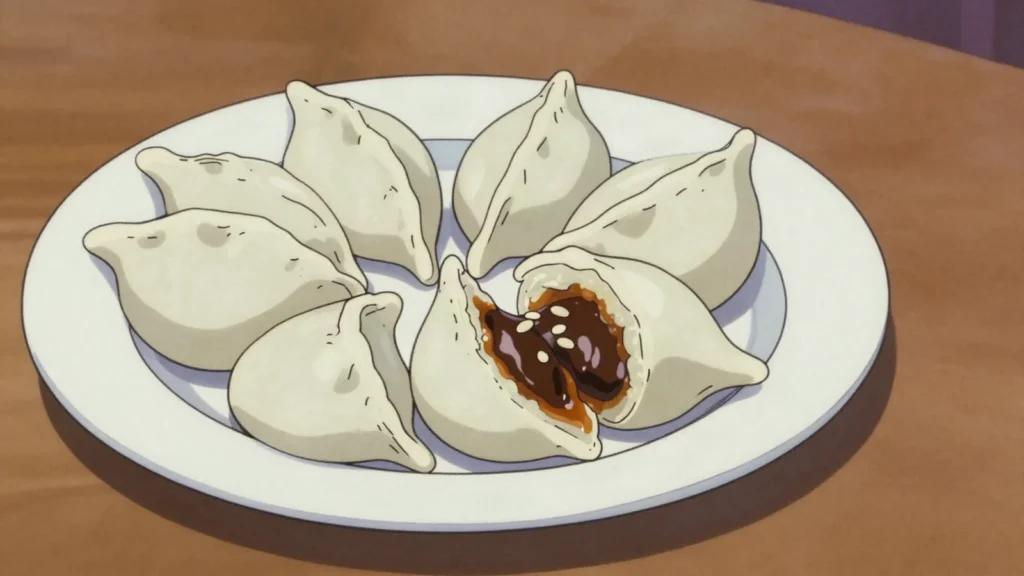
- Roll it into a ball between wet palms. Press your thumb into the centre. Work the ball into a hollow cone shape. Turn it as you press, thinning the walls evenly. The walls should be about three millimetres thick. Spoon filling into the hollow. Do not overfill it or it will burst. Twist that point gently as you pull it. Making it neatly takes several attempts.
- Set each one on a damp cloth as you finish. Line a steamer basket with banana leaf. Grease the leaf lightly or use a greased liner. Set the dumplings in with space between them. Set the basket over boiling water.
- Cover it and steam them for twenty minutes. That change in colour is the sign they are done. Lift them out carefully with a spoon. The filling inside is molten and extremely hot. Let them sit for two minutes before eating.
Technique
- The Newars are the historic inhabitants of the Kathmandu Valley, and Yomari Punhi is one of their major festivals.
- It falls on the full moon of the month of Thinla, usually in December.
Substitutions
- Dark molasses or jaggery cooked down to a thick chewy paste stands in for chaku.
- Khuwa, the reduced milk solids, makes the common alternative filling and is sold in South Asian shops.
Variations
- The khuwa filling is sweeter and milder than the molasses one.
- Some households make savoury yomari filled with meat or lentils.
- Larger versions are made as offerings during the festival.
History
Steamed rice-flour dumpling filled with molasses and sesame, made by Newars for Yomari Punhi, the December full moon marking the rice harvest.
Frequently asked questions
What is Yomari?
Yomari is a dessert from Nepal: steamed rice-flour dumpling filled with molasses and sesame; Newari sweet. Steamed rice-flour dumpling filled with molasses and sesame, made by Newars for Yomari Punhi, the December full moon marking the rice harvest.
How long does Yomari take to make?
Yomari takes 1 hour of preparation and 25 minutes of cooking. The recipe makes about 16 dumplings. It is rated hard to make.
What can I substitute in Yomari?
Yes, within limits. Dark molasses or jaggery cooked down to a thick chewy paste stands in for chaku. Khuwa, the reduced milk solids, makes the common alternative filling and is sold in South Asian shops.
What is the most important thing to get right in Yomari?
Roll it into a ball between wet palms. Press your thumb into the centre. Work the ball into a hollow cone shape. Turn it as you press, thinning the walls evenly. The walls should be about three millimetres thick. Spoon filling into the hollow. Do not overfill it or it will burst. Twist that point gently as you pull it. Making it neatly takes several attempts.