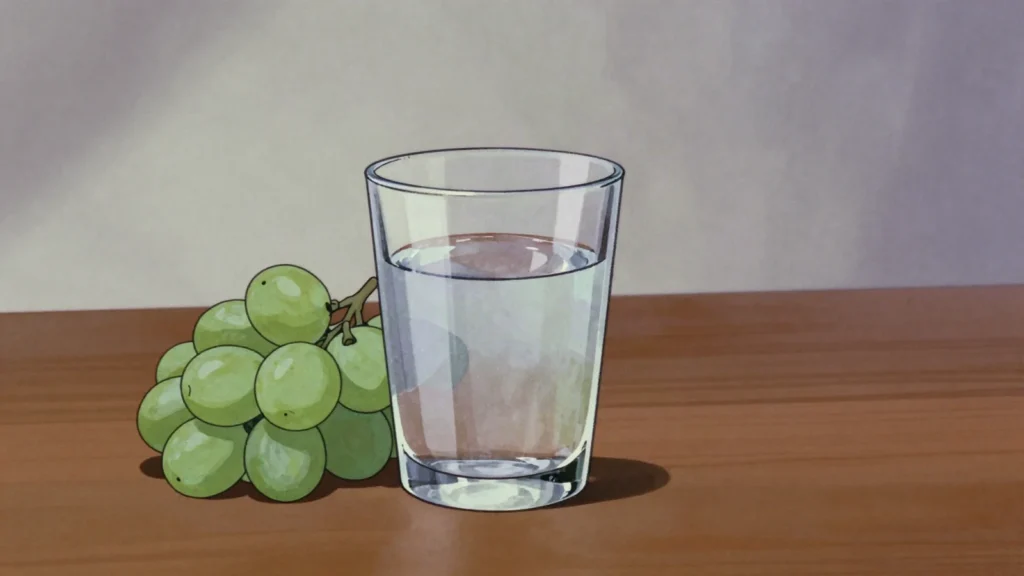

The Cape’s white lightning: a clear unaged grape spirit, fierce and colourless, distilled from wine grapes on Boland farms and sold from unlabelled bottles at country markets.
Distilling is illegal without a licence, and an unaged spirit with no cut carries whatever came over with the ethanol — pomace mash in particular yields methanol.
What goes into it
- wine grapes, or the pomace left after pressing
- nothing else
How it is made
Grapes or pomace are fermented and then distilled in a copper pot still, and the spirit is bottled straight — no cask, no colour, no rest. It is deliberately the opposite of brandy: everything that ageing would do is left out.
How long it takes: weeks to ferment, then distilling; no ageing at all
How it is eaten
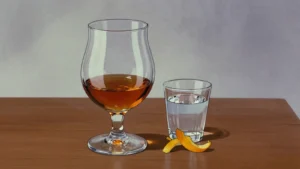
Neat in small measures at a country market, or infused with fruit afterwards.
History
The Cape’s white lightning, distilled from wine grapes on Boland farms and sold from unlabelled bottles at country markets.
Frequently asked questions
What is Witblits?
Witblits is a wine & spirit from South Africa: clear unaged grape spirit, fierce and colourless. The Cape’s white lightning, distilled from wine grapes on Boland farms and sold from unlabelled bottles at country markets.
How is Witblits made?
Grapes or pomace are fermented and then distilled in a copper pot still, and the spirit is bottled straight — no cask, no colour, no rest. It is deliberately the opposite of brandy: everything that ageing would do is left out. It takes weeks to ferment, then distilling; no ageing at all.
Can I make Witblits at home?
No, and the atlas gives no method for it. Distilling is illegal without a licence, and an unaged spirit with no cut carries whatever came over with the ethanol — pomace mash in particular yields methanol.
What goes into Witblits?
Wine grapes, or the pomace left after pressing, nothing else.
How is Witblits eaten?
Neat in small measures at a country market, or infused with fruit afterwards.