
Ingredients
What goes into the still
- 1000 litresdry base wine at 9–11 percent alcohol, made from Chenin Blanc and Colombard
- no sulphur additions, and the wine left unfiltered and slightly on its lees
Distillation and maturation
- 2copper pot stills (alembics) of 1000 to 3000 litres
- new and second-fill French oak barrels of 300–340 litres
- soft water, for reduction to bottling strength of 38–43 percent
To serve
- 50 mlpotstill brandy
- 1tulip-shaped brandy glass or a Glencairn
- 20 mlstill water, optional
- 1strip of orange zest, or a cube of dark chocolate
Directions
- Understand the base: Cape brandy starts as a deliberately thin, high-acid, low-alcohol white wine, mainly Chenin Blanc and Colombard from the Breede River and Robertson, picked early so the acid is high and the flavours neutral.
- The wine is double-distilled in copper pot stills. The first pass produces a cloudy low wine of about 30 percent alcohol.
- The second distillation is cut by hand. The distiller discards the harsh heads, keeps the clean heart running at roughly 70 percent alcohol, and cuts to tails as the spirit turns oily and vegetal. That cut is the single decision that defines the brandy’s character.
- The heart is filled into French oak barrels and matured in a cool cellar. South African law requires a minimum of three years in oak of no more than 340 litres for anything labelled potstill brandy, and most serious bottlings run 8 to 20 years.
- During maturation the spirit loses 2–4 percent a year to evaporation and takes on colour, vanillin and dried-fruit character from the wood.
- The blender marries barrels of different ages, then reduces the strength slowly with soft water over several weeks so the spirit does not go soapy, and rests it again before bottling.
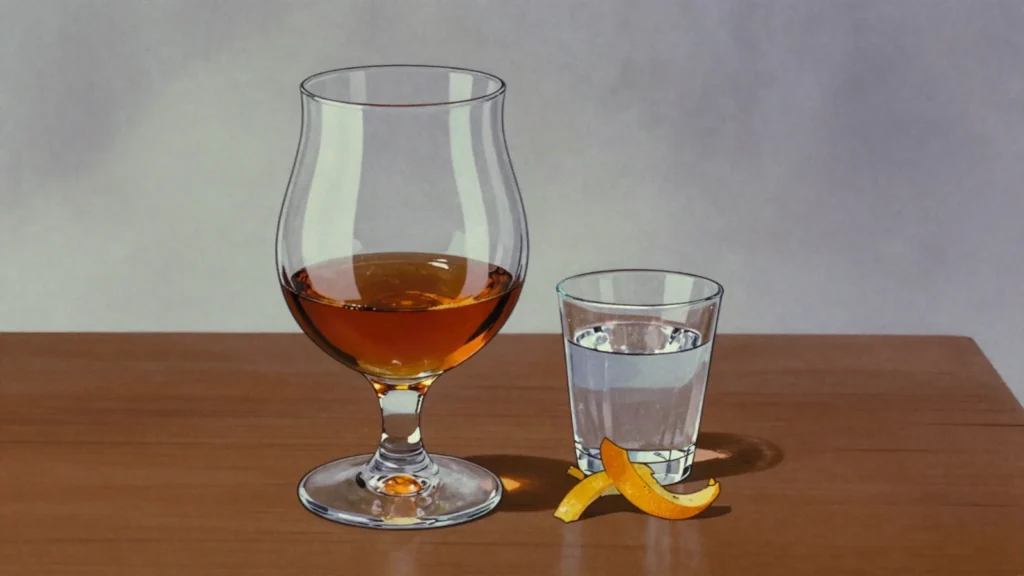
- To serve, pour 50 ml into a tulip glass at room temperature and warm it in the hand, never over a flame. Swirl once and let it sit two minutes so the alcohol blows off.
- Drink it neat, or add a few drops of still water to open the fruit. A slice of orange zest or dark chocolate alongside is the standard Cape accompaniment. Ice is acceptable for younger blends but flattens an aged potstill.
Technique
- Do not attempt to distil this at home. Unlicensed distillation is illegal in most countries and badly made cuts can concentrate methanol from the heads to dangerous levels.
- South Africa distinguishes three legal categories: potstill brandy, which is 100 percent pot-distilled and aged at least three years; vintage brandy, at least 30 percent potstill; and blended brandy, at least 30 percent potstill blended with unaged wine spirit.
- Cape brandy has won repeatedly at the international spirits competitions, and the style is closer to Cognac in method than to any other national brandy, a legacy of Huguenot settlers in the Cape winelands.
Substitutions
- If you cannot find a South African potstill, a VSOP Cognac made from Ugni Blanc is the nearest match in method, though it is usually softer and less overtly fruity.
- For cooking, particularly Cape brandy pudding, any three-year-old potstill works and the expensive aged bottlings are wasted.
Variations
- Cape brandy pudding, also called tipsy tart, a date sponge soaked in a brandy syrup, the classic Cape use of the spirit.
- Brandy and Coke, the everyday South African serve, made with blended rather than potstill brandy.
- Vintage-dated single-cask potstill bottlings from Worcester and Wellington, drunk neat like a fine Cognac.
History
The first Cape brandy was distilled aboard the ship Pijl in Table Bay in 1672; South African law requires potstill brandy to age three years.
Frequently asked questions
What is Cape brandy?
Cape brandy is a wine & spirit from South Africa: potstill brandy from Chenin and Colombard, aged in oak for years. The first Cape brandy was distilled aboard the ship Pijl in Table Bay in 1672; South African law requires potstill brandy to age three years.
How long does Cape brandy take to make?
Cape brandy takes 5 min to serve of preparation and 3 years minimum in oak of cooking. The recipe makes 1 measure (50 ml), from a bottle. It is rated hard to make.
What can I substitute in Cape brandy?
Yes, within limits. If you cannot find a South African potstill, a VSOP Cognac made from Ugni Blanc is the nearest match in method, though it is usually softer and less overtly fruity. For cooking, particularly Cape brandy pudding, any three-year-old potstill works and the expensive aged bottlings are wasted.
What is the most important thing to get right in Cape brandy?
To serve, pour 50 ml into a tulip glass at room temperature and warm it in the hand, never over a flame. Swirl once and let it sit two minutes so the alcohol blows off.