
Ingredients
What to buy
- tutovka, mulberry spirit
- or tut arak
- Armenian or Azerbaijani
- from a licensed producer
- see the safety note
To serve
- small glasses
- at room temperature
- or lightly chilled
To eat with
- grilled meat and khorovats
- cheese and greens
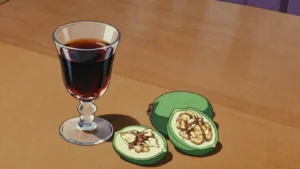
- dried fruit and nuts
- walnuts especially
- basturma
- bread
Directions
- Tutovka is a clear spirit distilled from mulberries.
- It is made in Armenia, Azerbaijan and Nagorno-Karabakh.
- It is strong, fruity and drunk in small glasses.
- Now to an honest statement, which comes first.
- This entry gives no method for making tutovka.
- The atlas states that plainly.
- Now to the first reason. It is a distilled spirit.
- Home distilling of spirits is illegal in most countries.
- That includes the United Kingdom, the United States and most of the European Union.
- It is illegal without a licence regardless of quantity or purpose.
- The atlas states that plainly.
- Now to the second reason. Distilling carries genuine physical hazards.
- Alcohol vapour is flammable and it collects.
- A still under pressure is dangerous.
- The atlas states that plainly.
- Now to the third reason. Badly made spirit can contain harmful levels of methanol.
- Methanol causes blindness and death.
- Separating it correctly is a technical skill.
- The atlas states that plainly.
- Now to a note about that. This is not a theoretical risk.
- Deaths from methanol in home-distilled and counterfeit spirits are documented worldwide.
- The atlas records that as fact.
- Now to what follows. The atlas gives no instructions and no quantities.
- It does not describe the process in a usable way.
- That omission is deliberate. The atlas states that plainly.
- Now to what the atlas gives instead.
- It records what tutovka is. It records where it comes from and how it is drunk.
- That is the honest thing to give.
- The atlas states that plainly.
- Now to the name. Tut is the mulberry.
- The name is simply mulberry spirit.
- The atlas records that plainly.
- Now to other names. Tut oghi in Armenian.
- Tut arak or tut araghi in Azerbaijani and Persian.
- The atlas records those plainly.
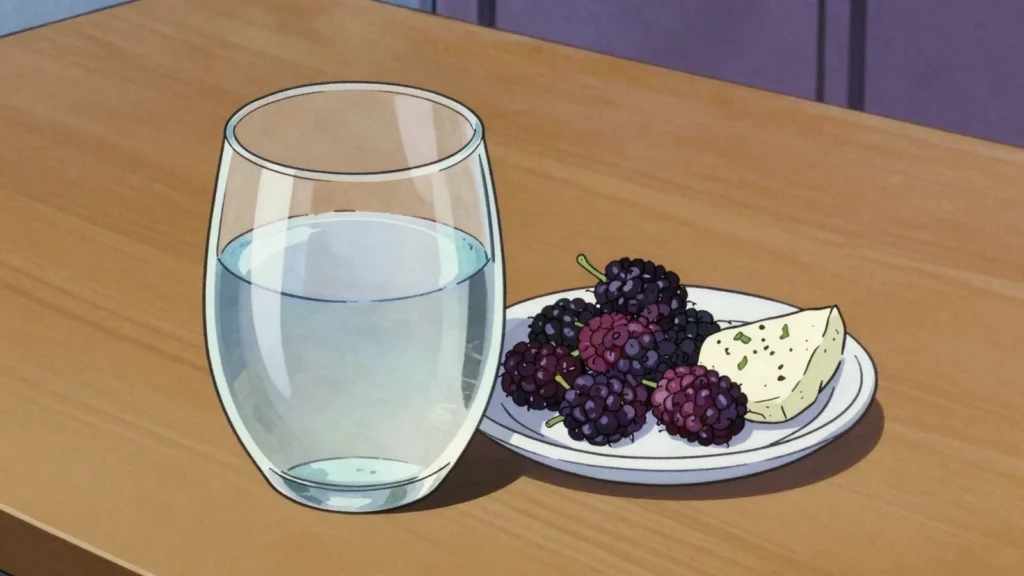
- Now to the fruit. Mulberries grow across the Caucasus.
- White and black mulberries are both used.
- The atlas records that plainly.
- Now to a note about mulberries.
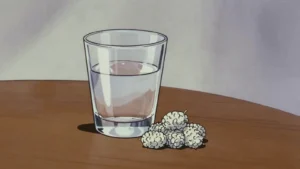
- They are very sweet and they are very perishable.
- They bruise as soon as they are picked.
- They do not travel or keep. The atlas records that plainly.
- Now to what follows from that.
- That perishability is part of why they are distilled.
- The fruit must be used at once.
- Distilling turns a glut into something that keeps.
- The atlas states that plainly.
- Now to how the fruit is gathered.
- Mulberries are shaken from the tree onto sheets.
- They are too soft to pick individually.
- The atlas records that plainly.
- Now to what tutovka is like. It is clear and colourless.
- It is strong, often over fifty percent.
- It smells and tastes distinctly of mulberry.
- The atlas records that plainly.
- Now to a note about the strength.
- It is genuinely strong. Village versions can be stronger still.
- The atlas states that plainly.
- Now to a note about the flavour.
- It is not sweet. The sugar is fermented away.
- What remains is aroma rather than sweetness.
- That surprises people who expect a fruit liqueur.
- The atlas states that plainly.
- Now to buying it. Armenian and Azerbaijani producers bottle it.
- It is sold in Caucasian and Eastern European shops.
- The atlas records that plainly.
- Now to a genuinely important point about buying.
- Buy from a licensed producer with a proper label.
- The atlas states that firmly. Now to why.
- Unlabelled homemade spirit is common in the region.
- Its strength and quality are unknown.
- Methanol contamination is the specific risk.
- The atlas states that plainly.
- Now to a note about that. The atlas is not making a claim about any particular producer.
- It is stating a general and documented risk with unregulated spirits.
- The atlas states that plainly.
- Now to serving it. It is served in small glasses.
- It is drunk at room temperature or lightly chilled.
- The atlas records that plainly.
- Now to a note about that. Chilling mutes the aroma.
- Room temperature shows the mulberry better.
- Some prefer it cold for the same reason.
- The atlas records both plainly.
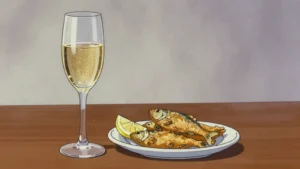
- Now to how it is drunk. It is drunk with food rather than alone.
- It punctuates a meal. The atlas records that plainly.
- Now to the toasting. Toasting is central at a Caucasian table.
- The toasts are formal and they are ordered.
- There is often a designated toastmaster.
- The atlas records that plainly.
- Now to a note about that. The tamada in Georgia is the best-known form of the role.
- Armenian and Azerbaijani tables have their own versions.
- The atlas records that plainly.
- Now to what is eaten with it. Grilled meat, khorovats.
- Cheese, herbs and greens. Dried fruit and walnuts.
- Basturma, the cured beef. The atlas records that plainly.
- Now to a note about that. Strong spirit with fatty and salty food is the pattern.
- Each makes the other work. The atlas records that plainly.
- Now to a note about the family.
- Fruit spirits are distilled across the region.
- Armenia makes apricot and cornelian cherry versions.
- The Balkans make rakia from plums and grapes.
- Hungary makes pálinka. Turkey and the Levant make arak, which is different.
- The atlas records that family plainly.
- Now to a note about arak. Arak is anise-flavoured and it is a different drink.
- The word overlaps but the drinks do not.
- The atlas keeps them separate.
- Now to a note about the mulberry tree.
- Mulberry trees are old and valued in the Caucasus.
- They feed silkworms as well as people.
- They are planted for shade in villages.
- The atlas records that plainly.
- Now to alcohol generally. This is a strong spirit.
- The atlas states that plainly and without moralising.
- Now to who should not drink it.
- Anyone pregnant should not drink alcohol.
- Anyone driving should not. Anyone on medication that interacts with alcohol should not.
- Anyone who does not want to should not be pressed.
- The atlas states that plainly and moves on.
- Now to a note about that last point.
- Toasting cultures can put pressure on people to drink.
- Declining is entirely reasonable.
- The atlas states that plainly.
- Now to keeping it. It keeps indefinitely.
- The alcohol preserves it. Keep it upright and away from light and heat.
- It does not improve in the bottle.
- The atlas states that plainly.
Technique
- The atlas gives no method, no quantities and no usable description of the process, deliberately. Home distilling of spirits is illegal without a licence in most countries — the UK, the US and most of the EU included — regardless of quantity or purpose.
- Badly made spirit can contain harmful levels of methanol, which causes blindness and death, and separating it correctly is a technical skill. Deaths from methanol in home-distilled and counterfeit spirits are documented worldwide; this is not a theoretical risk.
- Distilling also carries physical hazards: alcohol vapour is flammable and collects, and a still under pressure is dangerous.
- Buy from a licensed producer with a proper label. Unlabelled homemade spirit is common in the region and its strength and quality are unknown, with methanol contamination the specific risk. The atlas makes no claim about any particular producer — this is a general, documented risk with unregulated spirits.
- It is not sweet. The sugar ferments away and what remains is aroma rather than sweetness, which surprises people expecting a fruit liqueur. It is also genuinely strong, often over fifty percent, and village versions stronger still.
- Chilling mutes the aroma and room temperature shows the mulberry better; some prefer it cold for exactly that reason.
- Mulberries bruise as soon as they are picked and neither travel nor keep, which is part of why they are distilled — it turns a glut that must be used at once into something that lasts. They are shaken onto sheets rather than picked.
- Arak is anise-flavoured and a different drink entirely, despite the overlapping word.
- Toasting is central at a Caucasian table and can put pressure on people to drink. Declining is entirely reasonable.
- Do not drink alcohol if you are pregnant, driving, or on medication that interacts with it.
- It keeps indefinitely but does not improve in the bottle. Store it upright, away from light and heat.
Substitutions
- Armenian apricot spirit is the closest regional alternative.
- Cornelian cherry, or hon, spirit is made the same way.
- Balkan rakia from plums or grapes fills the same place at a table.
- Hungarian pálinka is the same idea further west.
- Mulberry syrup, dushab, is the non-alcoholic mulberry product.
- Fresh mulberries in season are the fruit itself.
Variations
- Tut oghi is the Armenian name for the same spirit.
- Apricot and cornelian cherry oghi are the sibling fruit spirits.
- Karabakh tutovka has its own reputation within the region.
- White and black mulberries give slightly different results.
- Dushab, mulberry syrup, is the boiled-down non-alcoholic form.
- Mulberry vodka infusions are a different and much simpler drink.
History
Distilled from white mulberries around Guba, Qabala and Ganja, still largely made privately and drunk in small glasses.
Frequently asked questions
What is Tutovka?
Tutovka is a wine & spirit from Azerbaijan: clear mulberry vodka distilled in the northern mountains. Distilled from white mulberries around Guba, Qabala and Ganja, still largely made privately and drunk in small glasses.
How long does Tutovka take to make?
Tutovka takes 5 minutes of preparation and none of cooking. The recipe makes buy by the bottle. It is rated easy to make.
What can I substitute in Tutovka?
Yes, within limits. Armenian apricot spirit is the closest regional alternative. Cornelian cherry, or hon, spirit is made the same way. Balkan rakia from plums or grapes fills the same place at a table. Hungarian pálinka is the same idea further west. Mulberry syrup, dushab, is the non-alcoholic mulberry product. Fresh mulberries in season are the fruit itself.
What is the most important thing to get right in Tutovka?
Now to how it is drunk. It is drunk with food rather than alone.