
Traditional-method sparkling wine from the Luxembourg Moselle. The appellation was created in 1991 and requires the bottle-fermented method with at least nine months on the lees.
It is a protected appellation made under licence, and the second fermentation happens under several atmospheres of pressure in a sealed bottle — a genuine hazard handled with purpose-built glass and equipment.
What goes into it
- Riesling, Pinot Blanc, Auxerrois and Pinot Noir grapes
- yeast
- liqueur de tirage and dosage
How it is made
A dry base wine is made and bottled with sugar and yeast, and a second fermentation runs inside the sealed bottle, trapping the carbon dioxide. The bottles rest on their lees for at least nine months, are riddled neck-down so the sediment collects in the neck, and that plug is frozen and ejected before topping up and corking.
How long it takes: at least nine months on the lees, often longer
How it is eaten
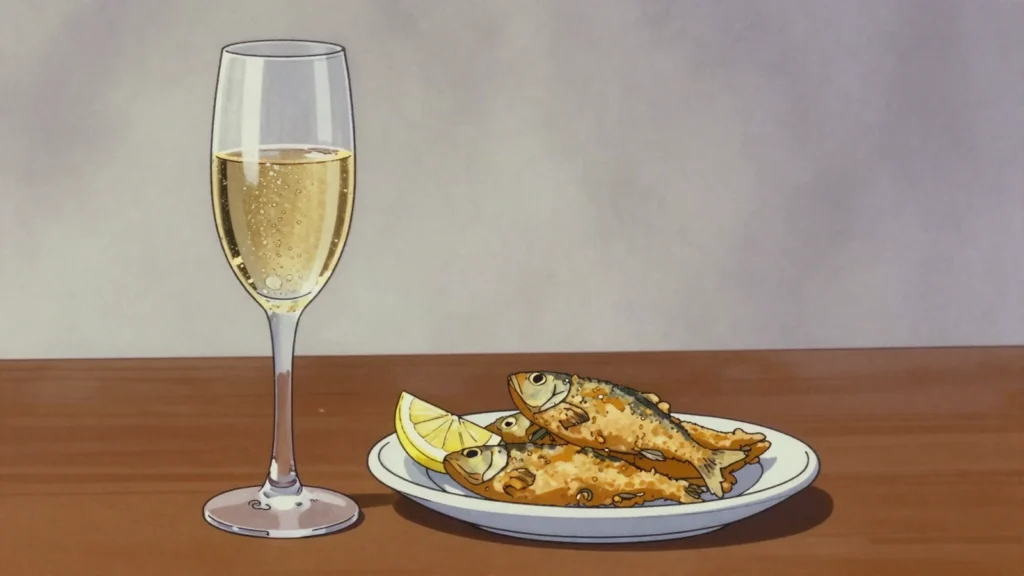
Cold as an aperitif, or with river fish and Luxembourg cheese.
History
The appellation was created in 1991 for Moselle sparkling wine made by the traditional bottle-fermented method with at least nine months on lees.
Frequently asked questions
What is Crémant de Luxembourg?
Crémant de Luxembourg is a wine & spirit from Luxembourg: traditional-method sparkling wine from the Luxembourg Moselle. The appellation was created in 1991 for Moselle sparkling wine made by the traditional bottle-fermented method with at least nine months on lees.
How is Crémant de Luxembourg made?
A dry base wine is made and bottled with sugar and yeast, and a second fermentation runs inside the sealed bottle, trapping the carbon dioxide. The bottles rest on their lees for at least nine months, are riddled neck-down so the sediment collects in the neck, and that plug is frozen and ejected before topping up and corking. It takes at least nine months on the lees, often longer.
Can I make Crémant de Luxembourg at home?
No, and the atlas gives no method for it. It is a protected appellation made under licence, and the second fermentation happens under several atmospheres of pressure in a sealed bottle — a genuine hazard handled with purpose-built glass and equipment.
What goes into Crémant de Luxembourg?
Riesling, Pinot Blanc, Auxerrois and Pinot Noir grapes, yeast, liqueur de tirage and dosage.
How is Crémant de Luxembourg eaten?
Cold as an aperitif, or with river fish and Luxembourg cheese.