
Ingredients
Butter
- 1 kgunsalted butter, from cow, camel or goat milk
Optional aromatics
- 1 tbspcumin seed
- 6cardamom pods, crushed
- a few curry leaves or a cinnamon stick
Equipment
- a heavy pan
- muslin
- clean dry jars
Directions
- Cut the butter into pieces and melt it in a heavy pan over low heat. Once melted, do not stir.
- It will separate into three layers: white foam on top, clear golden fat in the middle, and milk solids sinking to the bottom.
- Skim the foam off as it rises. Keep the heat low throughout — the whole job is driving off the water without burning the solids underneath.
- After 30 to 40 minutes the bubbling will slow and then stop, and the fat will turn clear enough to see the bottom of the pan. That silence is the doneness test: it means the water has gone, and water is what makes butter go rancid.
- If using aromatics, drop them in for the last five minutes only.
- Take the pan off the heat immediately and let it settle for ten minutes. The solids at the bottom should be pale gold; let them blacken and the whole batch tastes burnt.
- Pour the clear fat through muslin into clean dry jars, leaving every trace of the solids behind. Solids carried into the jar are what make it spoil.
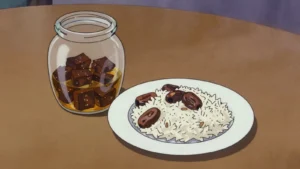
- Cool, seal and store. Because the water and milk solids are gone it keeps for months without refrigeration — which is exactly why nomadic households render it, and why it is used to seal muqmad under fat.
Technique
- Wait for the bubbling to stop. That is the test, not the clock.
- Strain out every trace of the solids.
- Low heat throughout. The gap between nutty and burnt is about a minute.
Substitutions
- Any unsalted butter, though butter churned from fresh cream gives a better result.
- Ghee, which is the same product from the Indian tradition.
Variations
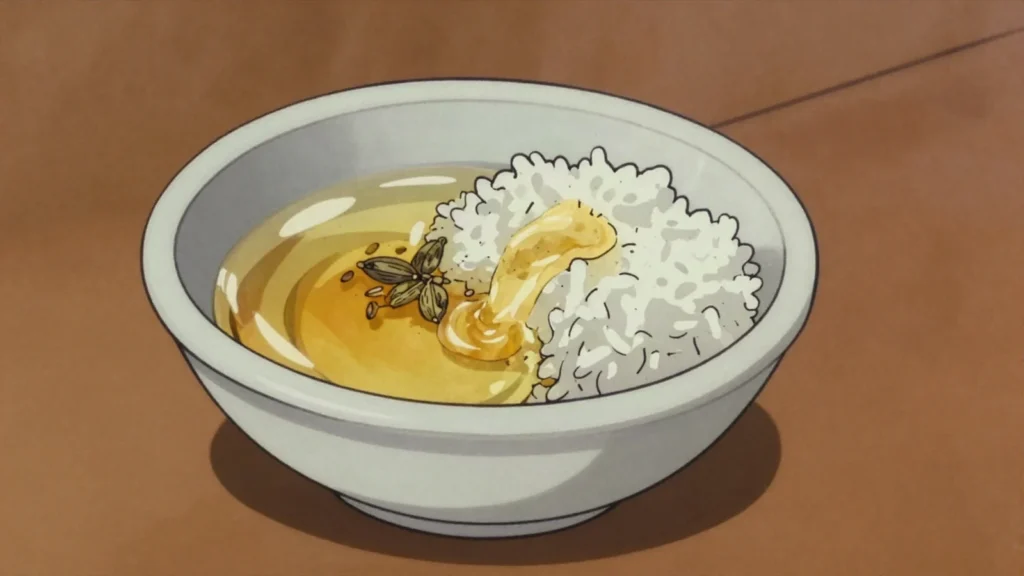
- Poured over rice and pasta, or stirred into porridge.
- Used to submerge and preserve muqmad, the dried fried meat.
History
Rendering butter removes the water that spoils it in heat, letting nomadic households keep fat and preserve dried muqmad for months.
Frequently asked questions
What is Subag?
Subag is a cheese & dairy from Somalia: clarified butter, often camel or goat, poured over rice and used to preserve meat. Rendering butter removes the water that spoils it in heat, letting nomadic households keep fat and preserve dried muqmad for months.
How long does Subag take to make?
Subag takes 10 min of preparation and 45 min of cooking. The recipe makes makes about 700 g from 1 kg butter. It is rated easy to make.
What can I substitute in Subag?
Yes, within limits. Any unsalted butter, though butter churned from fresh cream gives a better result. Ghee, which is the same product from the Indian tradition.
What is the most important thing to get right in Subag?
Cut the butter into pieces and melt it in a heavy pan over low heat. Once melted, do not stir.