
Ingredients
Grapes
- 8 kgripe grapes, any sweet variety
- white grapes give a pale cloudy drink
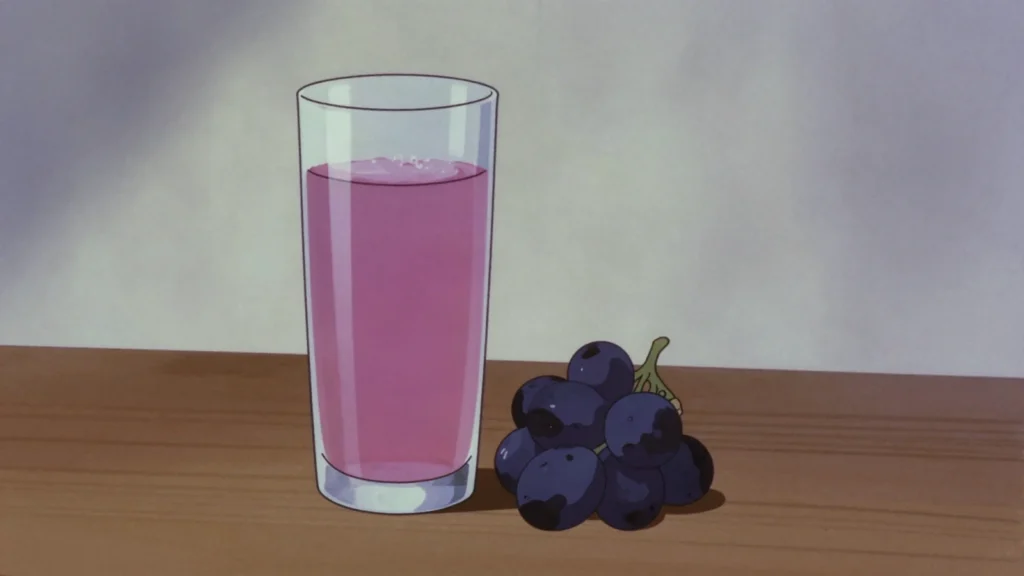
- black grapes give a pink one
To adjust
- sugar, only if the grapes are underripe
- water, only if the juice is very thick
Equipment
- a large tub or bucket
- a coarse cloth or a fine sieve
- clean bottles with loose caps
Directions
- Use fully ripe table or wine grapes with plenty of sugar in them. Underripe grapes give a thin sour drink that never sweetens. Pick out any mouldy or split grapes and throw them away. Pull the grapes off their stems into a large clean tub. Crush them with clean hands or with a wooden masher.
- Work through the whole tub until every grape has burst. The juice should run freely and the skins should look flattened. Cover the tub with a cloth to keep insects out of it. Leave it somewhere cool for six to twelve hours. Straining the must comes next and it must be thorough.
- Line a sieve with a coarse cloth over a second clean tub. Ladle the crushed grapes into the cloth in batches. Let the juice run through under its own weight first. Stop squeezing when what comes out turns cloudy and thick.
- Discard the skins and seeds or add them to a compost heap. Taste the strained juice before you go any further. It should be clearly sweet, with a fresh acidity behind it. Pour the juice into a clean tub and cover it with a cloth. Leave it at normal room temperature, out of direct sunlight. Within a day you should see small bubbles rising to the top.
- Taste it twice a day from this point onward. Most people stop it after one to three days at room temperature. Warm weather speeds this up and cold weather slows it down. In a hot kitchen a single day may be more than enough.
- Strain it once more through a fine cloth into clean bottles. Leave a good gap of air at the top of every bottle. Do not screw the caps down tight at this stage.
- Rest the caps on loosely so the gas can escape as it forms. Cold slows the yeast down almost to a complete stop. Shake or stir the bottle gently before you pour it out. Pour it into tall glasses and drink it straight away. A batch that smells of vinegar or nail polish should be thrown out.
Technique
- Sira is not the same as the pasteurised bottled sira sold in Turkish shops, which is stabilised and will not keep fermenting.
- A home batch is alive and changes daily.
- It is also unrelated to the grape syrup pekmez, which is must boiled down instead of fermented.
Substitutions
- Shop-bought unsweetened grape juice can be fermented the same way, but pasteurised juice has no wild yeast on it, so a pinch of wine yeast is needed to start it.
Variations
- Black grapes give a rose-coloured sira.
- Some households add a cinnamon stick or a few cloves to the fermenting tub.
- In parts of Anatolia the same must is boiled down instead to make pekmez.
History
Made at vintage from fresh pressed grapes and stopped before it turns to wine, so it stays a soft drink.
Frequently asked questions
What is Sira?
Sira is a drink from Turkey: lightly fermented grape must, cloudy and sweet-sour, drunk cold at kebab houses. Made at vintage from fresh pressed grapes and stopped before it turns to wine, so it stays a soft drink.
How long does Sira take to make?
Sira takes 1 hour of preparation and none of cooking. The recipe makes about 4 litres. It is rated medium to make.
What can I substitute in Sira?
Yes, within limits. Shop-bought unsweetened grape juice can be fermented the same way, but pasteurised juice has no wild yeast on it, so a pinch of wine yeast is needed to start it.
What is the most important thing to get right in Sira?
Use fully ripe table or wine grapes with plenty of sugar in them. Underripe grapes give a thin sour drink that never sweetens. Pick out any mouldy or split grapes and throw them away. Pull the grapes off their stems into a large clean tub. Crush them with clean hands or with a wooden masher.