
Ingredients
The base
- 4large onions
- very finely chopped
- no oil at first
- then 5 tablespoons oil
- or niter kibbeh
The spice
- 2 tablespoonsberbere
- or to taste
- 3garlic cloves, crushed
- 2cm ginger, grated
- half a teaspoon ground cardamom
- optional
The tomato
- 6ripe tomatoes
- chopped
- or 400 g tinned
- 1 tablespoontomato purée
- salt
To serve
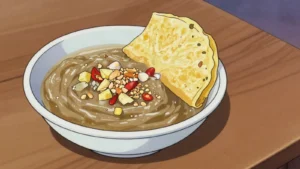
- injera
- or kitcha, the unleavened bread
- at breakfast
- with tea
Directions
- Taste your own blend before deciding how much to use. Start with less and add more once you know it. The onions are cooked dry before any oil goes in. Oil goes in only once they have softened right down. Dry cooking draws the water out of the onion first. Use a deep pan and keep the heat moderate. Stir with a long spoon and stand back a little. Berbere is a chilli blend and can be genuinely hot.
- Wash your hands thoroughly after handling it. Do not breathe over the pan as the berbere fries. Chop the onions as finely as you possibly can. The onion must disappear entirely into the sauce.
- Take real time over this rather than rushing it. Cooking it dry is the defining first stage of the method. Put the chopped onion in a heavy pan with no oil. Use a genuinely heavy based pan for this. Thin pans scorch the onion before it softens.
- Set it over a low to moderate heat to start. The onion releases its own water within minutes. Stir it regularly so it does not catch and burn. It should be soft, translucent and reduced considerably. Stir it every couple of minutes throughout. Pour the oil into the pan with the softened onion. The onion is already soft when the oil goes in.
- Cook the onion in the oil for a further ten minutes. It turns from pale to a deep golden brown. Stir it often so it browns evenly throughout. Add the crushed garlic and grated ginger now. Give them about one minute in the hot pan.
- Stir them constantly so they do not catch. Add the berbere and stir it into the hot onion. Fry it for about one minute in the oil. Heat releases the aromatic oils in the blend. Keep it moving constantly in the hot pan.
- Add the tomato promptly after that minute. That liquid stops the spice cooking any further. Add more later if it needs it rather than at the start. Add the chopped tomatoes and the tomato purée. Stir them thoroughly into the spiced onion. Add a splash of water if the pan looks very dry.
- Simmer the sauce gently until it is thick and dark. Give it about twenty minutes over a low heat. Oil rising to the surface is entirely normal here. Do not pour it off or try to blot it away. Stir it regularly right through that whole time. Thick tomato sauce catches on the base easily. Stir the ground cardamom in near the end. It adds a warm floral note behind the chilli.
- Season the sauce well with salt near the end. An under-salted silsi tastes flat and merely hot. Taste it carefully and adjust it properly. Taste it for heat as well as for salt. Add more berbere if it needs more warmth. Cook any late addition for a few minutes more. Spoon the silsi onto injera or beside kitcha. It is served warm rather than piping hot. Warm it gently with a splash of water.
Technique
- The onions are cooked dry with no oil at all for the first fifteen minutes, sweating in their own moisture until soft, before the oil goes in — that draws the water out so the onion browns rather than boiling in oil, and it gives a far deeper flavour. It cannot be rushed with higher heat, which simply burns them.
- Berbere burns quickly and turns acrid, so fry it only about a minute, keep it moving constantly and add the tomato promptly to stop it cooking further. Blends vary enormously in heat, so taste yours before deciding how much to use and start with less.
- Thick tomato sauce bubbles heavily and spits, so use a deep pan and a long spoon. Wash hands thoroughly after handling berbere, which transfers easily and stings eyes badly.
Substitutions
- Niter kibbeh, the spiced clarified butter, replaces the oil, but then the dish is no longer vegan; made with oil it is suitable for Orthodox fasting days, and the atlas gives that as the default.
- Tinned tomatoes replace fresh directly. Kitcha, the unleavened flatbread, replaces injera and both are genuinely used with this sauce.
Variations
- Tomatoes are not native to the Horn of Africa and arrived with Italian colonial agriculture in Eritrea from 1890 — a colonial occupation that reshaped agriculture and land ownership, which the atlas records plainly rather than softening. Tomatoes and pasta both entered the cuisine then and were absorbed and transformed entirely locally; silsi is an Eritrean dish rather than an Italian one.
- Chop the onions as finely as you can, since they must disappear entirely into the sauce, and do not reduce the quantity — four large onions is the body of the sauce rather than a seasoning, and they cook down to a fraction of their volume.
- Cook it down about twenty minutes until a spoon leaves a trail that closes only slowly. Oil rising and pooling at the edges is entirely normal and is considered a sign of a well made sauce — do not pour it off. Silsi improves noticeably on the second day.
History
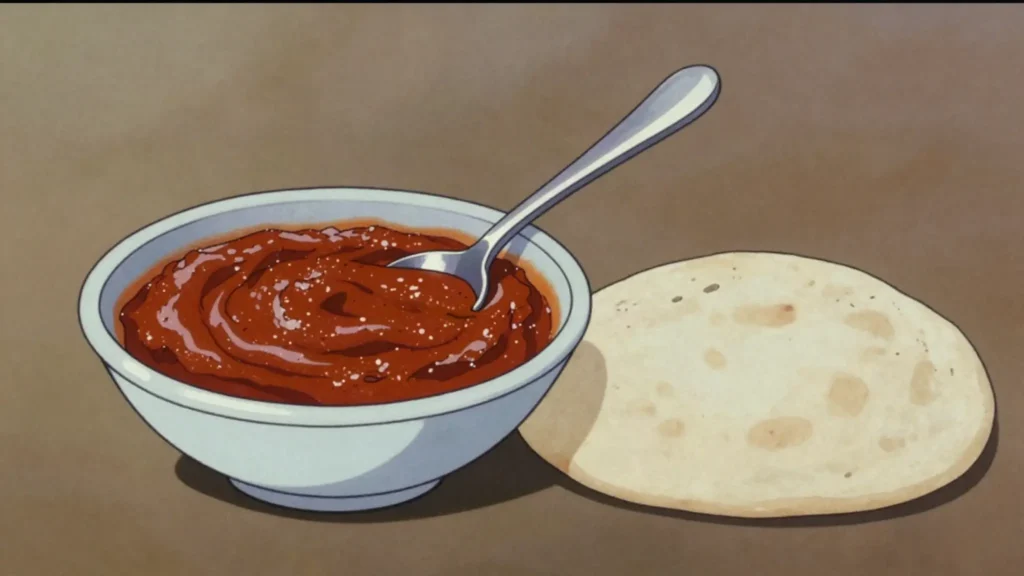
Slow-fried tomato, onion and berbere sauce; tomatoes arrived with Italian colonial agriculture and became a highland breakfast staple.
Frequently asked questions
What is Silsi?
Silsi is a sauce & condiment from Eritrea: slow-fried tomato, onion and berbere sauce eaten with injera or kitcha. Slow-fried tomato, onion and berbere sauce; tomatoes arrived with Italian colonial agriculture and became a highland breakfast staple.
How long does Silsi take to make?
Silsi takes 10 minutes of preparation and 45 minutes of cooking. The recipe makes serves 4. It is rated easy to make.
What can I substitute in Silsi?
Yes, within limits. Niter kibbeh, the spiced clarified butter, replaces the oil, but then the dish is no longer vegan; made with oil it is suitable for Orthodox fasting days, and the atlas gives that as the default. Tinned tomatoes replace fresh directly. Kitcha, the unleavened flatbread, replaces injera and both are genuinely used with this sauce.
What is the most important thing to get right in Silsi?
Wash your hands thoroughly after handling it. Do not breathe over the pan as the berbere fries. Chop the onions as finely as you possibly can. The onion must disappear entirely into the sauce.