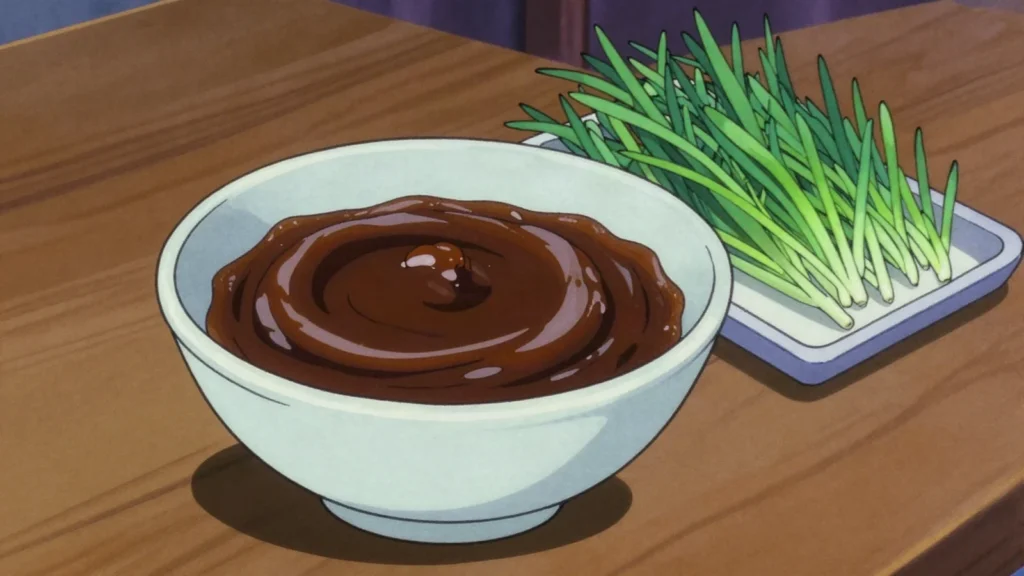

Ingredients
Wheat
- 1 kgwhole wheat grains, untreated
To sprout
- water, for soaking and rinsing
- a shallow tray
- a damp cloth
To cook
- 500 gplain flour
- 4 litreswater
Nothing else
- no sugar is added at any point
Equipment
- a very large heavy pot
- a long wooden paddle
- a cloth or a fine sieve
Directions
- Use whole untreated wheat grains, sold for sprouting or as feed grain. The grains should look plump and undamaged. Rinse the grains thoroughly in several changes of water. Pick out any broken grains, stones or chaff.
- Cover them with cold water and soak them overnight. Drain them again the next morning. Spread them in a shallow tray in a layer about two centimetres deep. Cover them over with a damp cloth. Rinse the grains twice a day with cold water. Drain them thoroughly each time. Keep the cloth damp but not wet.
- Keep them somewhere warm but out of direct sun. Watching them sprout takes three or four days. Discard the whole tray if it smells sour or shows mould. Lift the mat of sprouted wheat out and chop it roughly.
- Pound or grind it, adding water gradually. Traditionally this is done in a stone mortar. Squeeze the pulp through a cloth or a fine sieve.
- Press it hard to get everything out. Return the pulp to the bowl with more water. Squeeze it again and collect that liquid too. Repeat this three or four times. The liquid should be cloudy, pale and noticeably sweet.
- Discard all of the spent fibre. Pour the sweet liquid into a very large heavy pot. Whisk the flour into some of the cold liquid first. That is what prevents any lumps.
- Stir the flour mixture into the rest of the liquid. Bring it slowly up to a simmer. Stir it constantly with a long wooden paddle. This continues for eight to twelve hours. Take the pot off the heat at dawn. Let it cool completely, which takes several hours. Spoon it into small bowls or jars. It keeps for a week in the fridge.
Technique
- No sugar is added; the sweetness comes from enzymes converting wheat starch during sprouting and cooking.
- Rinse the sprouting grains twice a day, since standing water makes them rot rather than sprout.
- Stir constantly through the whole cook, as it catches and burns very easily.
Substitutions
- There is no substitute, since the sprouting is the whole point.
- A meat grinder in place of a stone mortar.
Variations
- Samanu, the Iranian version made the same way.
- Sumalak, the Uzbek version.
- With walnuts hidden in the pot for luck.
History
Wheat is sprouted, pounded and stirred all night by women, and no sugar is added.
Frequently asked questions
What is Semeni?
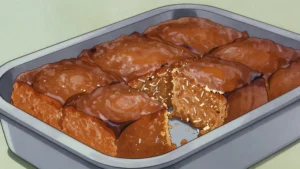
Semeni is a dessert from Turkmenistan: sweet dark paste of sprouted wheat, cooked overnight for Nowruz. Wheat is sprouted, pounded and stirred all night by women, and no sugar is added.
How long does Semeni take to make?
Semeni takes 1 hour plus 4 days sprouting of preparation and 12 hours of cooking. The recipe makes 1 large pot. It is rated hard to make.
What can I substitute in Semeni?
Yes, within limits. There is no substitute, since the sprouting is the whole point. A meat grinder in place of a stone mortar.
What is the most important thing to get right in Semeni?
Keep them somewhere warm but out of direct sun. Watching them sprout takes three or four days. Discard the whole tray if it smells sour or shows mould. Lift the mat of sprouted wheat out and chop it roughly.