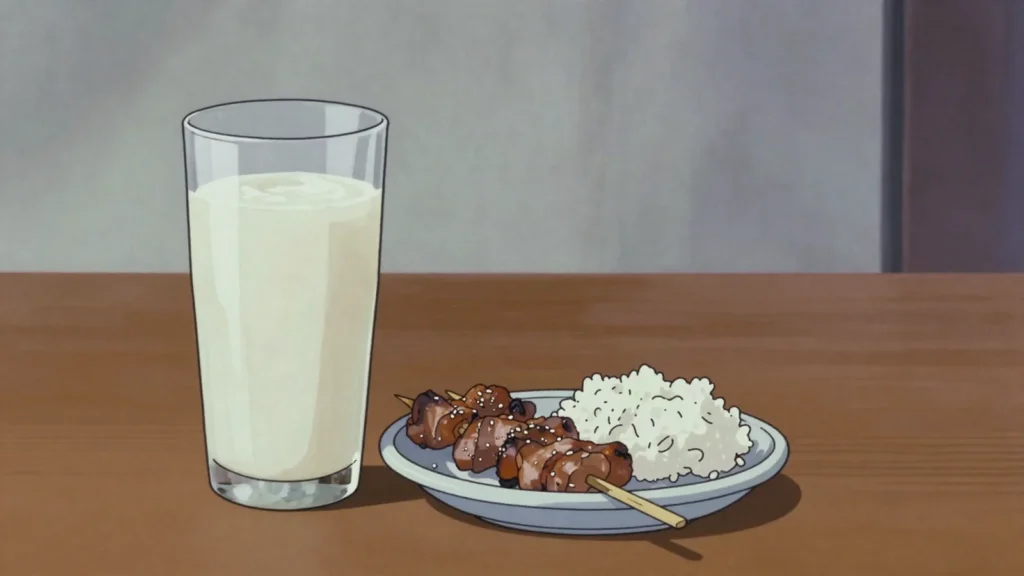

A cloudy sweet-sour rice beer brewed in Isan villages from glutinous rice. A 2003 community liquor law legalised the small producers who had been brewing it illegally for decades.
Producing alcohol at home is licensed or restricted in most of the atlas’s readership, and the ferment depends on a look pang starter cake carrying a specific set of local moulds and yeasts.
What goes into it
- glutinous rice
- look pang — a starter cake of moulds and yeasts
- water
How it is made
Steamed glutinous rice is cooled and mixed with a crushed starter cake carrying both a mould that converts starch to sugar and yeasts that ferment it, then sealed in a jar for one to several weeks. The liquid is strained off and drunk cloudy, sweet at first and sourer as it goes.
How long it takes: one to several weeks in the jar
How it is eaten
From a glass at a village gathering, chilled, with grilled meat and som tam.
History
Village rice beer fermented with a yeast cake starter; a 2003 community liquor law legalised small producers who had brewed it illegally for decades.
Frequently asked questions
What is Sato?
Sato is a wine & spirit from Thailand: cloudy sweet-sour rice beer brewed in Isan villages from glutinous rice. Village rice beer fermented with a yeast cake starter; a 2003 community liquor law legalised small producers who had brewed it illegally for decades.
How is Sato made?
Steamed glutinous rice is cooled and mixed with a crushed starter cake carrying both a mould that converts starch to sugar and yeasts that ferment it, then sealed in a jar for one to several weeks. The liquid is strained off and drunk cloudy, sweet at first and sourer as it goes. It takes one to several weeks in the jar.
Can I make Sato at home?
No, and the atlas gives no method for it. Producing alcohol at home is licensed or restricted in most of the atlas’s readership, and the ferment depends on a look pang starter cake carrying a specific set of local moulds and yeasts.
What goes into Sato?
Glutinous rice, look pang — a starter cake of moulds and yeasts, water.
How is Sato eaten?
From a glass at a village gathering, chilled, with grilled meat and som tam.