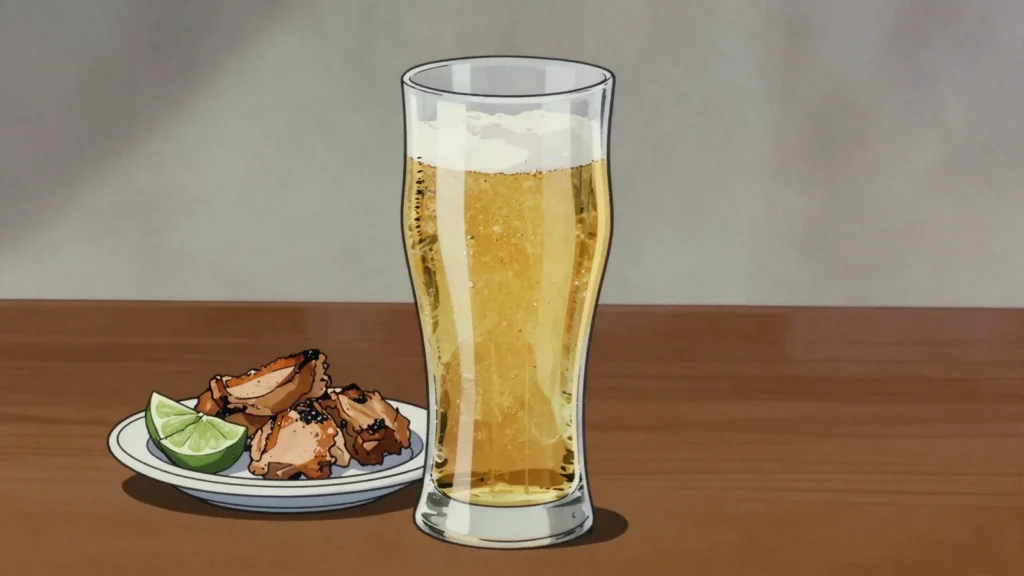

A light lager named for the island’s twin volcanic peaks, brewed at Vieux Fort since 1992. The Pitons themselves were listed by UNESCO as a World Heritage Site in 2004.
It is one brewery’s commercial lager, and brewing beer at home is licensed or restricted in much of the atlas’s readership.
What goes into it
- malted barley
- maize adjunct
- hops
- lager yeast
- water
How it is made
Malt and adjunct are mashed, the wort boiled with hops, cooled and fermented cool with lager yeast, then cold-conditioned before filtering and bottling.
How long it takes: three to four weeks from mash to bottle
How it is eaten
Very cold from the bottle, on the beach or at a Friday night street party.
History
Brewed at Vieux Fort since 1992 and named for the Pitons, the volcanic spires that UNESCO listed as a World Heritage Site in 2004.
Frequently asked questions
What is Piton?
Piton is a wine & spirit from Saint Lucia: light lager named for the island’s twin volcanic peaks. Brewed at Vieux Fort since 1992 and named for the Pitons, the volcanic spires that UNESCO listed as a World Heritage Site in 2004.
How is Piton made?
Malt and adjunct are mashed, the wort boiled with hops, cooled and fermented cool with lager yeast, then cold-conditioned before filtering and bottling. It takes three to four weeks from mash to bottle.
Can I make Piton at home?
No, and the atlas gives no method for it. It is one brewery’s commercial lager, and brewing beer at home is licensed or restricted in much of the atlas’s readership.
What goes into Piton?
Malted barley, maize adjunct, hops, lager yeast, water.
How is Piton eaten?
Very cold from the bottle, on the beach or at a Friday night street party.