
Ingredients
The pearls
- 150 gsmall tapioca pearls
- sold as sago
- see the note
- water, to cook
The jelly
- 10 gagar agar powder
- or 1 bar gulaman
- 500 mlwater
- 2 tablespoonssugar
- a few drops of colouring
- optional
The syrup
- 300 gbrown sugar
- or panocha, grated
- 500 mlwater
- 3pandan leaves, knotted
- or 1 teaspoon vanilla
To serve
- 1.5 litrescold water
- plenty of ice
- in tall glasses
Directions
- Brown sugar is the substitute. This is a cold and very sweet drink. Discard it if it starts to fizz. Bring a large pot of water to a boil. Use plenty of water for the pearls. They also clump without enough room. Pour the pearls into boiling water. Stir them constantly as they go in. Adding them to cold water makes them dissolve.
- Keep stirring for the first minute. Cooking them takes about fifteen minutes. Boil them for about fifteen minutes. Large ones take considerably longer. Lift one pearl out on a spoon. Cook them longer until the dots go. Take the pot off and cover it. Give it about fifteen minutes. Drain the pearls and rinse them. Rinse them in cold water thoroughly. Rinse until the water runs clear.
- Keep the pearls in a little syrup. A little sugar syrup keeps them loose. Use some of the drink syrup for that. Put the agar and water in a pan. Whisk the powder into cold water first. Adding it to hot water makes lumps. Let it stand a few minutes to hydrate. Bring it to a genuine rolling boil. A simmer is genuinely not enough. Let it boil for a full two minutes.
- Stir it constantly as it boils. Gulaman bars must be soaked first. Soak the bar in water for an hour. Stir sugar into the boiling agar. Two spoonfuls is quite enough. Stir until it fully dissolves. Pour it into a shallow flat tray. A shallow tray sets it about a centimetre. Cut the set jelly into small cubes. Cut them about one centimetre across. They must fit through a straw or spoon.
- Keep all of them small and even. Put the brown sugar and water in a pan. Add the knotted pandan leaves. Knot the leaves so they do not tangle. Simmer it for about fifteen minutes. It should still pour quite easily. Let the syrup cool completely. Hot syrup melts the ice instantly.
- Cool it right down completely first. Mix the cold syrup with cold water. Taste it and adjust from there. It should be sweet but not cloying. Spoon pearls and jelly into each glass.
- Fill about a third of the glass. Divide them evenly between glasses. Add plenty of ice to each glass. It is drunk genuinely very cold. Fill the glass well up with it. Pour the sweetened water over the ice. Pour it slowly so it does not overflow. Stir it once before you drink it. Serve a wide straw along with it. It is drunk very cold from a glass.
Technique
- The pearls sold as sago in the Philippines are usually tapioca — sago is palm starch and tapioca is cassava, entirely different plants whose pearls look and behave identically. The name has stuck regardless, and the atlas records both facts without correcting what the drink is called. Buy pearls labelled either way; both work.
- Gulaman is agar, which works in the opposite way to gelatine: it must be boiled to a genuine rolling boil for two full minutes to activate, above ninety degrees, where gelatine must never boil at all. Do not substitute gelatine casually — it would soften and dissolve in the cold drink where agar holds its cubes for hours. Agar is seaweed-derived and contains no animal product.
- Pour the pearls into already boiling water while stirring constantly: added to cold water they dissolve, and without stirring they stick into a mass. Then rinse them thoroughly in cold water after draining to remove surface starch, and store them in a little syrup, since plain drained pearls stick together.
Substitutions
- Vanilla stands in for pandan, being sweeter and less grassy — not the same thing, but it gives a comparable warmth. Brown sugar stands in for panocha, Filipino unrefined cane sugar with a deep molasses flavour.
- Gulaman bars must be soaked an hour and shredded before boiling; agar powder is whisked into cold water first and left to hydrate, since adding it to hot water makes lumps.
Variations
- Judge the pearls by lifting one out and looking for a white dot at its centre: a dot means undercooked and fully cooked pearls are clear throughout. Then take the pot off covered for fifteen minutes, where the residual heat clears any stubborn dots.
- Cut the set jelly into cubes about one centimetre across, since larger ones block the straw entirely — which is why these are sold with wide straws.
- Cool the syrup completely before it meets ice or jelly, since hot syrup melts the ice instantly and softens the cubes. This is a sweet drink that ferments readily in warmth, so refrigerate it, drink it fresh and discard it if it starts to fizz.
History
Sold from glass jars at Philippine street stalls, especially in the hot months before the rains.
Frequently asked questions
What is Sago’t Gulaman?
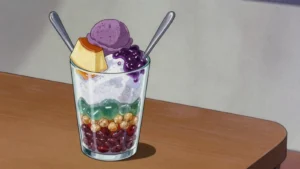
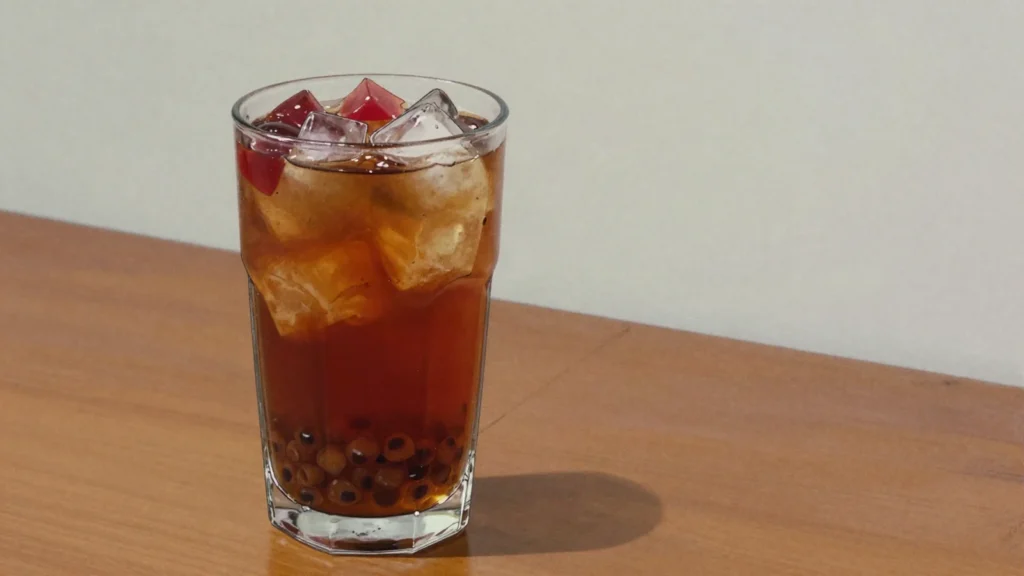
Sago’t Gulaman is a drink from Philippines: brown sugar and pandan water with tapioca pearls and cubes of jelly. Sold from glass jars at Philippine street stalls, especially in the hot months before the rains.
How long does Sago’t Gulaman take to make?
Sago’t Gulaman takes 30 minutes plus setting of preparation and 30 minutes of cooking. The recipe makes about 2 litres. It is rated easy to make.
What can I substitute in Sago’t Gulaman?
Yes, within limits. Vanilla stands in for pandan, being sweeter and less grassy — not the same thing, but it gives a comparable warmth. Brown sugar stands in for panocha, Filipino unrefined cane sugar with a deep molasses flavour. Gulaman bars must be soaked an hour and shredded before boiling; agar powder is whisked into cold water first and left to hydrate, since adding it to hot water makes lumps.
What is the most important thing to get right in Sago’t Gulaman?
Stir it constantly as it boils. Gulaman bars must be soaked first. Soak the bar in water for an hour. Stir sugar into the boiling agar. Two spoonfuls is quite enough. Stir until it fully dissolves. Pour it into a shallow flat tray. A shallow tray sets it about a centimetre. Cut the set jelly into small cubes. Cut them about one centimetre across. They must fit through a straw or spoon.